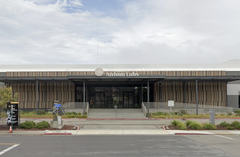
| There are two sides to every fight, right? Well, in the case of the planned $1.5B State Center redevelopment and a lawsuit that aims to stop it, there are three sides, and all hope for different outcomes. |
| Miles & Stockbridge real estate and land-use litigator Rad DeTar(the first name a precipitous acronym for Richard Allen DeTar) ran through the roster with us: the CBD office owners and occupants (plus some smaller local businesses) that don't want to see government agencies head for State Center and leave a ghost town behind; the State of Maryland, which proposed the 28-acre, public/private project to spur economic development north of Downtown, joined by the City of Baltimore; and the developer, which wants to do what developers do: build and get paid. Rad tells us the plaintiffs are likely using the lawsuit to delay development and likely kill the project. The master developer is motivated to bring a quick end to the suit and thus save State Center. And Baltimore and Maryland (though at the defendant's table) are in a straightjacket. (They need this kind of drama in the movies.) |
| The CBD folks argue that the government's master developer procurement process was not on the up-and-up—more handshakes than RFPs. The master developer filed a motion to dismiss, questioning the CBD team's grounds for filing a suit. The CBD team won last month, says Ramsey Flynn (the plaintiff's hired get-the-word-out guy), setting up subpoenas of government officials and the master developer that went out a few weeks ago. Sure, the government might like to avoid subpoenas and/or redo the procurement to get on with it, but, Rad says, it's obligated to honor its contract with the master developer. The developer has another option to speed things up, but that's at least six months away and if it doesn't work, next comes a trial. By the time that's over, Rad tells us, State Center simply may not be worth it anymore. |
| As for Rad's own book of business, his firm just repped Cecil County in a 4-3 Maryland Court of Appeals victory that OKs the county board of supervisors' right to sell its six water/wastewater facilities (including the above Meadowview one, under construction in '04) to a private operator, in this case Artesian. That sets a precedent allowing state municipalities to privatize operating utilities, a national trend since running these things is often a negative cost on government balance sheets. |
STATE CENTER: HOW IT'LL ALL END
Continue reading this story with a free account
Log in or register
Related Topics:
Cecil County