San Antonio And Austin Lead Nation In Sprawl, Study Finds

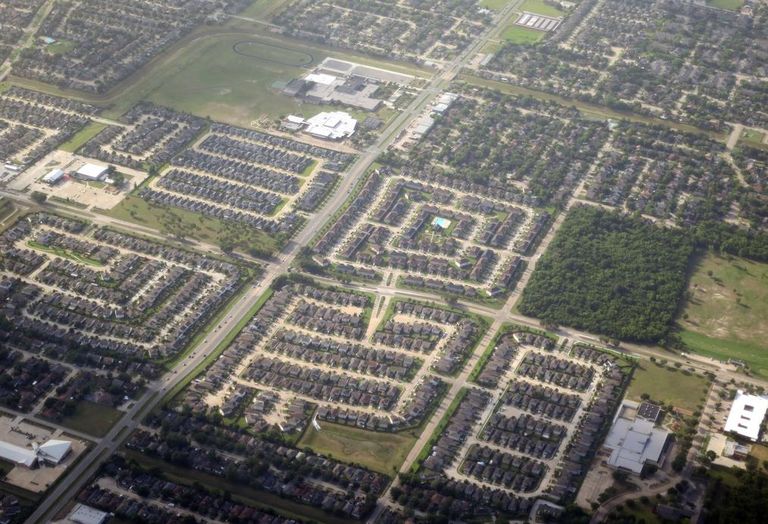
Houston Sprawl

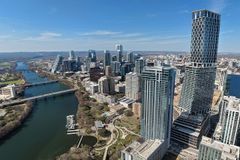
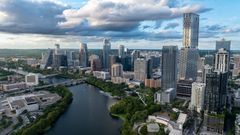
A new study by the New York Times using census data and U.S. Postal Service counts has found cities are not becoming as dense as previously thought. Of the 51 metro areas with more than 1 million people, average neighborhood density rose in 10 and fell in 41. Among the sprawling cities, San Antonio and Austin spread the furthest. In both cities, average neighborhood density fell by 5% between 2010 and 2016.

There is a clear pattern; dense metros are getting denser while sprawling metros are spreading out further. The top four sprawling cities — Houston, Oklahoma City, Austin and San Antonio — have never been considered dense. The densest metros are becoming more so, with Seattle, Washington, D.C., and Chicago leading the pack.

A lot of that activity is outside of the downtown cores. Most large metro areas, including the fastest-growing ones, are increasingly suburban.


Continue reading this story with a free account

Log in or register
Sign up for more articles like this
Subscribe to Bisnow's Austin - San Antonio Newsletters
Related Stories

UK Budget Risks Deterring Sovereign Wealth Funds From Real Estate

Walker & Dunlop Execs On Dealmaking Volatility, Data Center Risks, Housing

Developer Pitches Massive Hospitality, Makerspace District South Of Austin

Brandywine Plans To Sell $200M Worth Of Properties In 2027

Towers On The Edge: How Austin Is Redefining Vertical Density At The Waterfront

Denver Construction Costs On The Rise, Surpass National Increases

Austin Suburb Set To Decide On Annexation, Zoning For Data Center Campus

Austin's Office Slump Is Fueling Mixed‑Use Projects

Austin Multifamily Nears 'Inflection Point' With Early Signs Of Rent Growth

Data Centers Are Making It Harder To Build Everything Else

FBI Drops Investigation Into Financially Troubled StoryBuilt

Brandon Johnson Seeks Second Term Amid Strained CRE Relationship