Denver’s commercial real estate market is moving into a new phase as investors and lenders cautiously return to fundamentals after years of volatility.
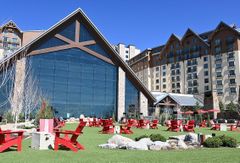
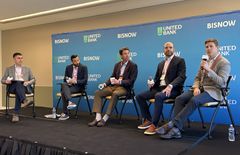
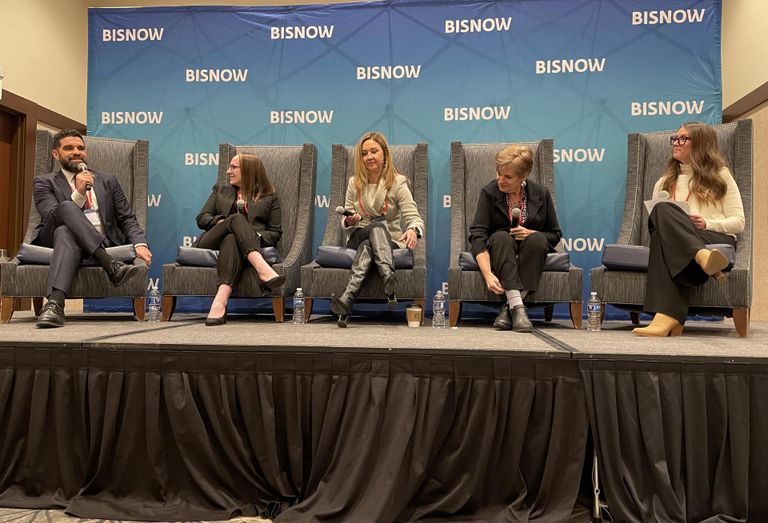
That’s according to expert panelists at Bisnow’s 2025 Denver Forecast event at the Embassy Suites Denver Downtown Jan. 23.
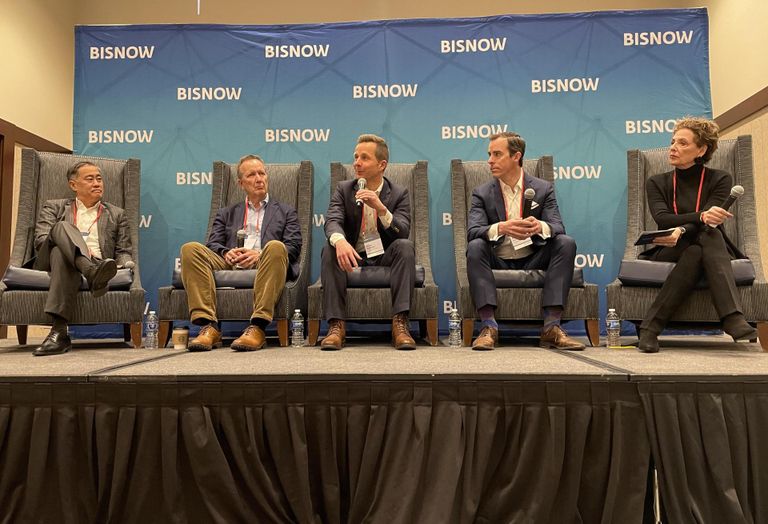
Industry leaders spoke on a panel about the cautious but steady reintroduction of capital to the market, tightening lending standards and the persistent challenge of rising construction costs.
Denver’s real estate investment market is transitioning from speculative plays to a more fundamentals-driven approach, panelists said. Investors are prioritizing stabilized assets, yield-based returns and long-term value rather than betting on appreciation alone.
“The market’s getting reintroduced to the idea of fundamentals, but it’s definitely more game-on,” JLL Capital Markets Senior Managing Director Peter Merrion said.
Private equity, which had been largely on the sidelines lately, has started reentering the market, even in asset classes like office that have been out of favor the last few years.
Knightbridge Capital acquired 450K SF of suburban office space last year, betting that value-oriented investments would outperform in the long run, co-founder and principal Riki Hashimoto said.
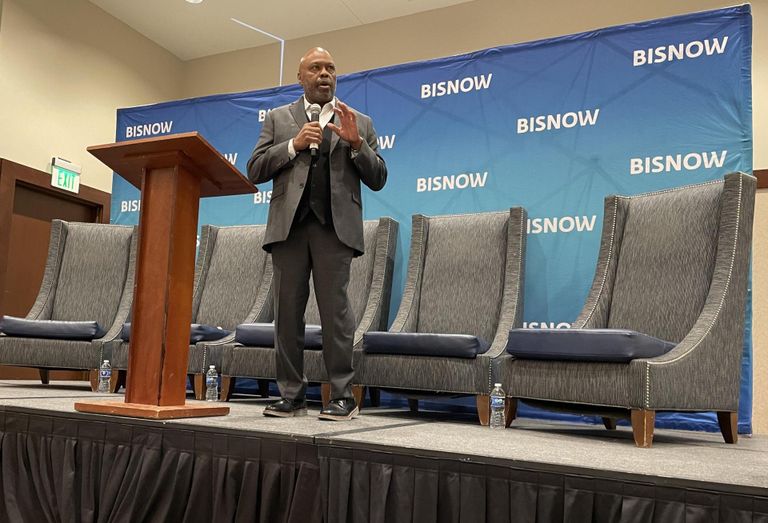
Still, investor confidence remains dependent on clear price discovery, McWhinney Chief Investment Officer William Grubbs Jr. said.
“Investors are holding back until they see price discovery,” Grubbs said, adding that Denver is in the early stages of a new investment cycle that may take years to fully mature.
Panelists also discussed the shifting lending landscape, where banks are eager to finance but with heightened scrutiny. The focus for 2025 is no longer on whether banks will lend but rather if they can meet demand, said Matt Teeters, regional president at Alpine Bank.
“Our biggest concern is not how to put out money, it’s whether we can make enough loans in 2025,” Teeters said, referring to Alpine and its banking peers.
After years of reduced activity due to high interest rates, lending institutions are cautiously ramping up. However, they are prioritizing well-structured deals, meaning borrowers must demonstrate strong fundamentals, realistic projections and experienced management teams.
Preferred equity structures are gaining popularity, offering investors a more secure, fixed-return alternative to traditional joint ventures.
Despite renewed investor interest, construction remains a difficult proposition due to persistent cost increases. Rising labor costs, material shortages and regulatory hurdles continue to impact the feasibility of new development.
“I have a longtime friend at Hines who always told me over the years, ‘Construction costs never go down,’” Grubbs said.
The sentiment was echoed across the panel, with several participants noting that inflation, supply chain constraints and workforce shortages are all contributing to higher costs.
Meanwhile, Denver’s urban multifamily market has slowed due to high costs and policy challenges, with developers shifting focus to suburban projects where margins are more favorable. A recent JLL report highlights that suburban markets accounted for 62% of Denver’s nearly $5B in multifamily transactions last year.
While challenges remain, particularly in the office sector where high vacancies persist despite rising rents, the panelists largely agreed that Denver’s commercial real estate market is entering a new, more disciplined phase.
The coming year will test the resilience of investors and developers alike, but those who can navigate the tighter lending environment and rising costs will likely find significant opportunities ahead.