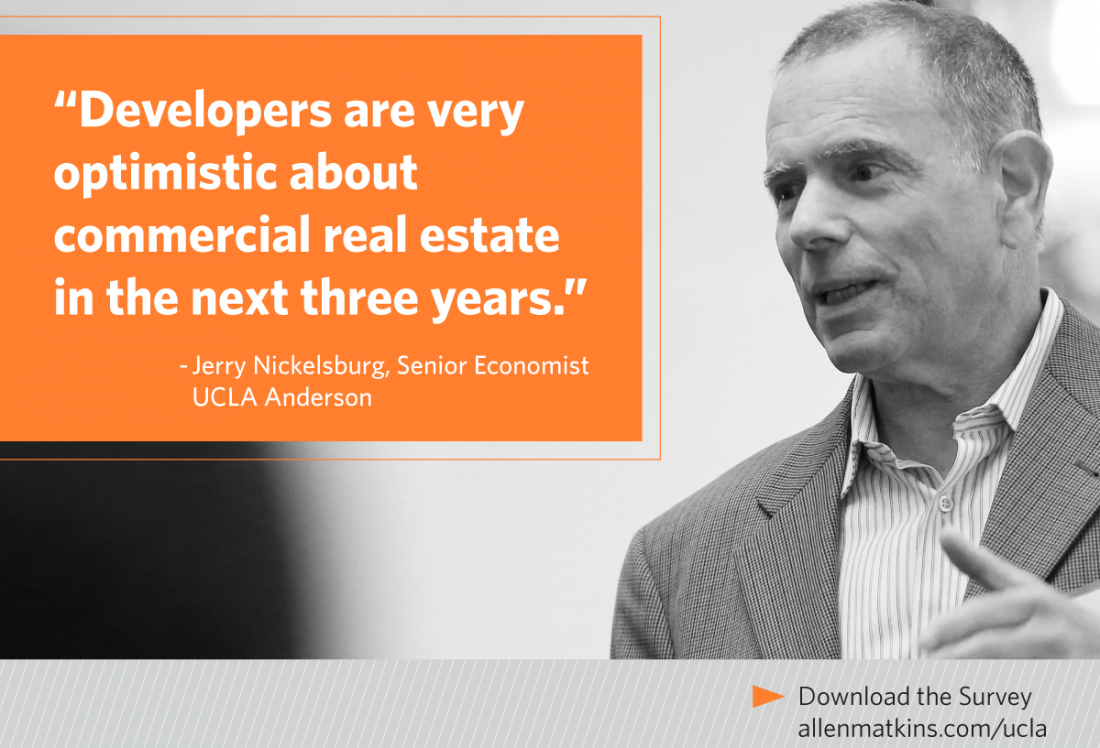
For a second year in a row, California's commercial real estate industry is booming. With employment rates improving and the lack of supply portending increases in occupancy and rental rates, developers' optimism is riding high, unfazed by the Fed's historic raise in interest rates. While the Allen Matkins/UCLA Anderson Forecast sees this optimism continuing for the foreseeable future, there was also a smattering of caution due to the market's cyclical nature.
For the unfamiliar, the Allen Matkins UCLA Anderson Forecast Survey polls panels of California real estate professionals in the development and investment markets on various aspects of the commercial real estate market—such as vacancy rates, rental rates and future building projects—and then compiles the views to see where the market will be heading in the next three years (the average approximate time for a new commercial project to come online). As a leading indicator of future commercial construction, the forecast has enough influence to completely change some developers' and construction firms' strategies.
How are each of the asset classes going to fare in each market? Why were the panelists more wary than they were in 2015? Keep reading to find out.
To download the full report, you can click here. To see an infographic of developer sentiment, click here.
To learn more about our Bisnow partner, click here.
Office
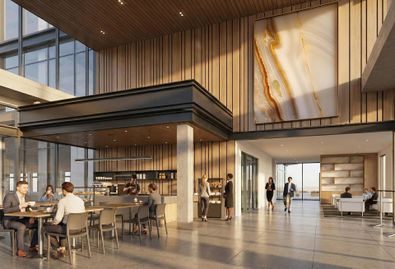
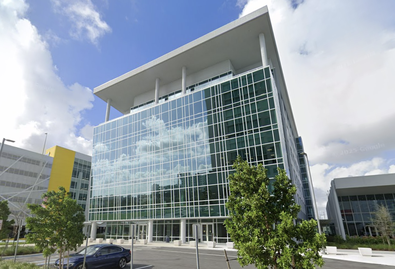
Office investors and developers are growing cautious as international markets remain sluggish and volatile, but as the US economy and office-using employment remains healthy, office returns will continue to grow, although at different paces across the different markets.
The panelists from the three SoCal markets, for example, were extremely optimistic about rental rates despite a softening sentiment towards vacancy rates in 2018. Between now and 2018, the panelists said, the office market would only continue to tighten as office-using employment in LA and OC continues to grow at rates below the overall rate of job growth. Tech employment is growing particularly quickly and is favoring the robust SoCal markets.
While the San Francisco Bay Area panel agreed office demand was still growing at a significant rate, it’s no longer outpacing construction, especially since development momentum has shifted to the East Bay.

Multifamily
With employment growth across the state, multifamily housing demand has risen as well. In fact, the report notes the number of multifamily permits issued in the state per month rose to pre-recession levels.
All of the panels echoed the sentiment that California housing is seriously under-built and household formation is happening faster than new building. And with 2% job growth forecast for the next two years, developers are going to build even faster to keep up. What’s interesting is the “shift in tastes” from single-family housing with commuting to employment centers to a balanced mix between single-family and multifamily housing.
Silicon Valley, San Diego and San Francisco are all expected to tighten over the next three years. The San Francisco panel in particular stated vacancy rates and rental rates will only continue to grow, bringing in better returns and catalyzing further multifamily development. In fact, San Francisco and Silicon Valley’s job growth has even driven the East Bay’s composite multifamily index to surprisingly strong levels, despite the market’s weaker job growth.
Orange County will grow as well, but not at the same pace. Los Angeles, on the other hand, has some red flags. Even as rental rates continue to rise, the LA panel expects the vacancy rate to increase over the next three years. New apartment construction will have to ease the shortfall in housing units.
Industrial
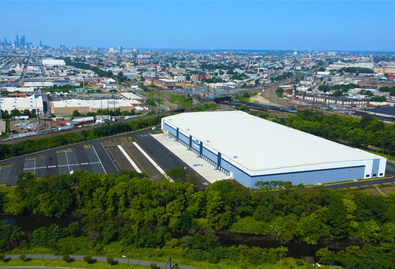
As consumer confidence and spending increased in the second half of 2015, imports from Asia and Mexico continue to flow through California ports and brick-and-mortar retailers build up their online presences, the need for storage and distribution space has skyrocketed. About 75% of both the SoCal and Bay Area panelists plan to begin to begin manufacturing and warehousing projects in the next 12 months.
Retail
Retail is undergoing a huge shift when it comes to structure—evolving from distribution conduits to experience-shopping venues—making it hard to track construction and improvements with data.
Still, with robust submarket growth, the increased placement of retail in new mixed-use and multifamily housing projects and the conversion of existing brick-and-mortar stores to experience venues, all six markets polled had positive sentiment towards retail’s future. Nearly two-thirds of the panelists were planning new retail construction in 2016. So, although retail has been considered as struggling for quite some time, there may still be significant opportunities as consumer and developer confidence grows.
Even as e-commerce grows among consumers, retail development is still—surprisingly—growing steadily across all the markets and many developers are realizing that a successful retail center is one that offers dining options, entertainment and a wide variety of retailers in smaller spaces than before.
Summary
The only risks to this outlook, the report notes, are “contagion in financials from the nascent revaluation of tech start-up companies and a downturn in consumer attitudes engendered by an increasingly volatile world.”
But developers and builders across all markets are optimistic about new supply and opportunities across all asset types in the next three years. Supported by job, income and demand growth and a lack of sufficient supply, the commercial real estate market is expected to pass previous peak construction levels.