Building codes and environmental awareness have developers finding ways to make their buildings more sustainable.
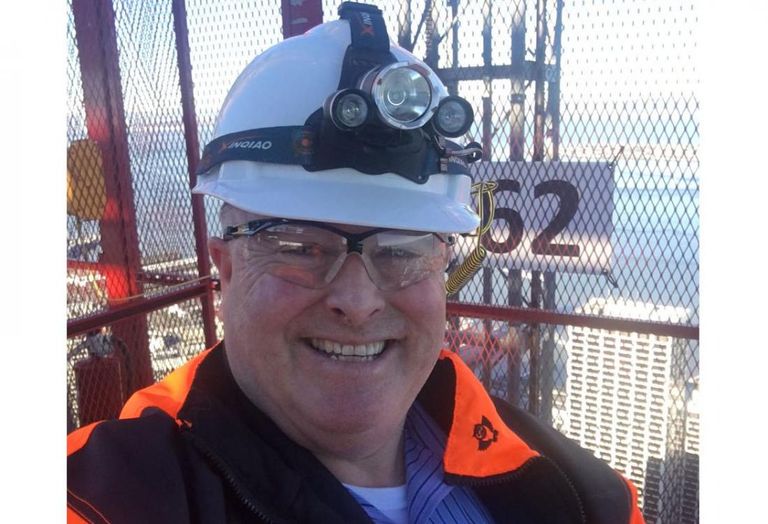
Boston Properties vice president of engineering Danny Murtagh said the biggest trends in sustainable construction include lighting control and technologies, under-floor air distribution HVAC systems, and water efficiency and recycling.
Code mandates and technological competence are among the main drivers in the push for more sustainable elements. New energy-efficiency standards via Title 24 went into effect at the start of the year and include higher standards for insulation within walls and attics, and lighting units must be high-efficiency.
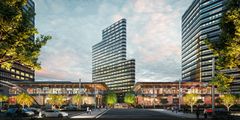
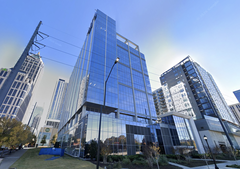
Boston Properties is already incorporating many sustainable features into its big Salesforce Tower project, a JV with Hines. The tower is pre-certified LEED Platinum and will feature an HVAC system distributing outdoor air on each floor. The under-floor air system circulates air directly to a tenant’s space and features individual control capacity. The system will provide enhanced indoor air quality and is designed to be 40% more energy efficient than a standard office building.
“Using technologies that are both suitable and mature that both help provide resource conservation and [lower] operating costs helps to improve real estate value,” Murtagh said.
Sustainability falls within Boston Properties’ strategy because it creates long-term hold, provides good returns, creates competitive operating costs, produces a positive image and provides an efficient use of resources, according to Murtagh.
Sustainable building will be all about maintaining focus in the years ahead both with building owners and community members. Sites and buildings are already headed toward net zero or net positive, Murtagh said.
“Regional priorities like water will be recycled and reclaimed at higher rates to improve water use,” he said. “Areas that are prone to drought will have to remain focused during wet periods in order to keep an eye on the resource horizon.”
Continued code adoption of readily available and viable technologies into construction also will be key. When the cycle slows, Murtagh said it will be important to maintain awareness and adoption of sustainable technologies.
Find out more at Bisnow’s San Francisco: Eco-Friendly CRE Series event Feb. 28.