Philadelphia has become the second major U.S. city to ban landlords' use of algorithmic software like RealPage to set multifamily rents — a preemptive move as lawsuits alleging price-fixing make their way through the court system.
The city council passed the ordinance with a veto-proof unanimous vote on Friday. Once it is signed into law, anyone ignoring the order would face a fine of up to $2K per violation. They could also be sued by the city and current or prospective tenants.
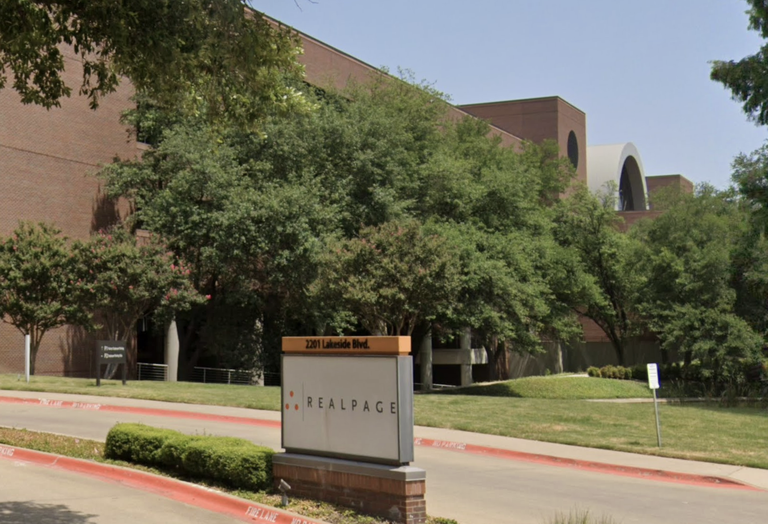
RealPage is one of several companies that aggregate information about properties to help landlords maximize rental income. Concerns that software like it has artificially inflated rents led to a flurry of legislation and litigation in recent months, including a lawsuit the Department of Justice filed earlier this year against RealPage.
Philadelphia’s bill was sponsored by Council Member Nicholas O’Rourke, who described it as “a significant step towards protecting tenants and preventing unfair rental practices in our city.”
The bill was a response to the consolidation of units by corporate landlords in recent years, which has led to rising rents in Philadelphia and nationwide, O’Rourke’s legislative director, Cade Underwood, told Bisnow.
There wasn’t a specific instance of price-fixing in the city that preceded the bill. Underwood said specific examples are hard to find because companies like RealPage generally don’t share that data publicly.
“A lot of these things are big black boxes,” he said of rental algorithms.
Because it is difficult for municipalities to enforce laws like this, the bill is designed to incentivize residents to file private lawsuits, Underwood said.
If the city wins a lawsuit under the legislation, the defendant must pay actual damages or $1K per violation in the case of a settlement. If a resident wins a suit, they are entitled to three times the value of the damages or $2K per violation in the case of a settlement.
That is why O’Rourke’s office wants to connect potential plaintiffs with community organizations that can help them file suit, Underwood said.
In a statement, RealPage spokesperson Jennifer Babcock called the Philadelphia legislation “misguided.”
“[It] ignores the real issue: Philadelphia needs more supply of affordable housing,” she said.
Babcock added that RealPage’s software was “purposely built to be legally compliant” and could be configured to comply with the new ordinance.

Underwood said Philly landlords would likely comply with the new law by opting out of RealPage’s private dataset and only allowing the program to use numbers already available to the general public.
Philadelphia is not “ground zero” for rent-pricing algorithms, he said. Just 3.3% of units in the Philadelphia metro area were priced with RealPage’s AI Revenue Management and YieldStar programs as of last May, according to a RealPage report. That was lower than the national average of 6.7% and the rates in the likes of greater Denver and San Francisco, which were 6.1% and 23.5%, respectively.
But the council said in a release that it aimed to narrow “the knowledge and power gap” between tenants and landlords by allowing tenants to share information and take action.
Underwood said Philadelphia’s legislation was inspired by a bill in San Francisco, which this summer became the first major U.S. city to outlaw the use of algorithmic price-setting software.
Similar legislation is also being proposed in San Jose, California, and New Jersey, which could become the first U.S. state to ban algorithmic pricing software in its borders, the New Jersey Monitor reported. A bill prohibiting “use of an algorithmic device” by landlords was introduced in Colorado earlier this year, but legislators narrowly voted it down in May.
The bill will go into effect 90 days after Mayor Cherelle Parker signs it into law, which Underwood said might happen as soon as later this week.
Concerns about rent-setting algorithms and price-fixing aren't new. Last year, dozens of individual lawsuits filed by tenants were gathered into a single federal class-action suit in Tennessee.
The DOJ and attorneys general from North Carolina, California, Colorado, Connecticut, Minnesota, Oregon, Tennessee and Washington then filed a federal antitrust lawsuit against RealPage in August. It claims the company lets landlords who would otherwise be competitors collude to inflate rental prices.
“We allege that RealPage’s pricing algorithm enables landlords to share confidential, competitively sensitive information and align their rents,” U.S. Attorney General Merrick Garland said in a statement. “Americans should not have to pay more in rent because a company has found a new way to scheme with landlords to break the law.”
RealPage has denied the allegations but said it is willing to make changes to the software to alleviate the DOJ’s concerns.