:no_upscale():quality(75))
A lawsuit brought by the owners of the storied Hotel Chelsea against the New York City Department of Buildings can press ahead, a judge has ruled.
The city filed a motion to dismiss a lawsuit from the hotel owners, who allege that improper stop-work orders cost them $100M, The Real Deal reports. That lawsuit can now continue, following a new ruling — although the judge also warned that the hotel owners may have a tough time proving their allegations against the “rigorous” standard set forth in the law.
The DOB ordered construction on the hotel to stop in 2018 following a building classification dispute, causing a delay of more than two years for hotel operators Ira Drukier, Richard Born and Sean MacPherson. Drukier, Born and MacPherson paid $250M for the property in 2016, purchasing it from a group led by hotel magnate Ed Scheetz and developer Joseph Chetrit.
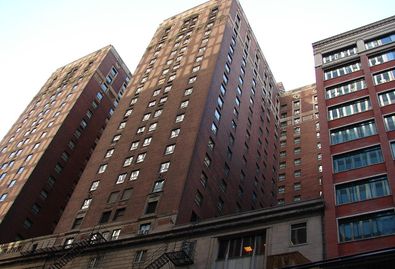
The hotel was the city’s tallest when it finished construction in 1884, and has housed names from Dylan Thomas and Arthur Miller to Patti Smith and Sid Vicious, Bloomberg previously reported.
The property had already had construction permits approved in 2012, laying the ground for new ownership to continue renovating the property’s interiors. In their first two years of ownership, the new partnership invested more than $200M in renovations, they said in court filings.
However, by November 2018, the DOB told the developers to halt construction, arguing that the building was a “single-room occupancy multiple dwelling” — meaning the trio would need a “certificate of no harassment” for works to continue.
The developers applied for their certificate in 2019, but alleged that the change occurred after one of the approximately 50 long-term tenants in the hotel emailed the NYC Department of Housing Preservation and Development about the construction noise.
HPD began an investigation and concluded in August 2019 that there was reasonable cause to support claims that tenants, who lived in the property for low rents under previous manager Stanley Bard, had been harassed under new management during construction.
But HPD’s investigation led to yet more conflict: In 2020, the hotel owners brought the case to the Office of Administrative Trials and Hearings, where they alleged that HPD intentionally withheld emails that explained the building’s classification change. The owners’ lawyers argued that the building had been classified as a luxury hotel in 1997, thereby qualifying it for an exemption from the need for a no harassment certificate.
In January 2021, HPD dropped the case, with construction resuming in October of that year. In the meantime, a spokesperson for the New York City Law Department told TRD that the city remains “confident of prevailing when the merits are heard."