By all indications, five years after the onset of the pandemic, New York City is back. Many of its developers, however, are not.
:no_upscale():quality(75))
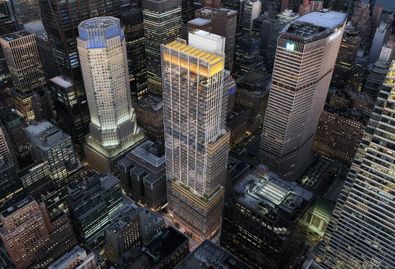
New York’s office sector is at its most active since 2019, its vacancy rate is falling and it leads the nation in demand for top-tier space. Apartment vacancy is at a multi-decade low of 1.4%, and rents are at all-time highs. And 65 million tourists visited the city last year, the second-most ever.
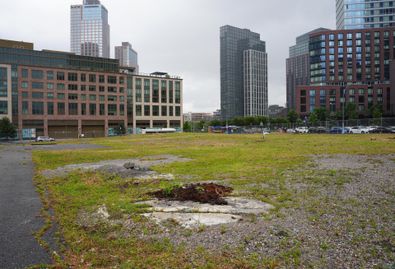
At Bisnow and New York University’s Inaugural National Conference on Real Estate Development, developers acknowledged the need to build to support that economic upswing, but stressed the city’s political and financial hurdles have stopped them from returning with the crowds.
“New York will always be a center of gravity. It is resilient. It will evolve,” Essex Capital Partners CEO Mitchell Rutter said onstage. “That said, it is subject to wild political swings [and] continuing overburdensome regulation.”
Mayor Eric Adams and Gov. Kathy Hochul have both passed legislation in the past two years aimed at supercharging the development of more housing. The state last year enacted a series of new tax abatements for development — although some are more popular than others — while the city passed sweeping zoning regulations, which Adams dubbed City of Yes, that allow denser, by-right housing across the five boroughs.
“In my opinion, it says it’s the City of Yes, but I don’t see it,” Rutter said.
:no_upscale():quality(75))
Investors surveyed in the Urban Land Institute and PwC’s annual Emerging Trends reports have shown Manhattan has been sluggish to return to its spot as a draw for capital, although it is on the rise. Investors ranked it as the 42nd most appealing market in 2022 as the pandemic continued to take its toll. Last year it clocked in at 31, and it managed to move to No. 11 this year.
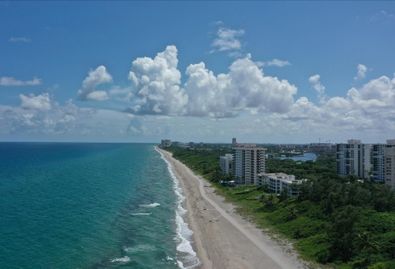
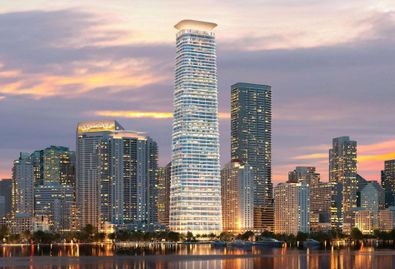
Miami, by contrast, was the second-most appealing real estate market for investors last year, while Tampa was fourth and Orlando was sixth.
“South Florida, I think, got put on the global map post-Covid,” Tyko Capital CEO Adi Chugh said onstage on NYU’s campus. “Follow the politics, right?”
In addition to a population and tourism boom, a combination of low taxes, developer-friendly state and local governments, and more readily available land has resulted in a building frenzy. As a result, developers with deep New York City ties have left the world of rent control and ULURP behind in favor of construction free-for-alls.
That includes Stephen Ross, who stepped down as chairman of New York-based Related Cos. last year to launch his Florida firm, Related Ross. Since then, the billionaire owner of the Miami Dolphins has invested in everything from condo towers to TV studios to bringing a new Vanderbilt University campus to West Palm Beach.
:no_upscale():quality(75))
“We'll probably deploy $10B worth of capital over the next decade, and the reason we have the confidence to do so is because of the political environment,” Related Ross Executive Vice President of Development Jordan Bargas said. “Having the willingness of political officials to engage is incredible. You look at places like Miami, West Palm Beach, and you have these mayors that are outspoken and saying, ‘How can I help?’ as opposed to being an obstacle.”
The developers pushing forward are proceeding with caution due to issues ranging from community zoning battles to rent laws and union requirements.
But even though the ones advancing projects are adding the housing that politicians universally want to see more of, developers say it will require more pain for them to become kinder to commercial real estate.
“People think developers are at the head of the parade, running things and deciding how much rents are,” Hudson Cos. President David Kramer said. “We're just a bunch of friggin’ middleman hustlers trying to put together the project, with the site, with the economics, and it's increasingly hard to be a friggin’ middleman hustler.”