The We Company, parent of WeWork, apparently wants to do more than expand its offerings in cities around the world. The coworking specialist wants to help remake those cites as well, through a smart cities initiative it is rolling out.

As yet, the initiative doesn't have any stated goals, though smart cities are generally understood to involve such elements as connected infrastructure, data generation about public-space usage, the use of autonomous vehicles and rethinking urban zoning.
Besides any benefit a We Company initiative might have for the public, it is also in line with the company's ambition to compile the world’s largest data set on how people work and live, Quartz reports.
With 425 coworking spaces in more than 100 cities, WeWork already has an enormous data pool, which presumably offers the company a solid understanding of how businesses use space and consume energy. Smart cities would mean even more data.
Di-Ann Eisnor, a former Waze and Google executive, will lead the initiative. Waze is a crowdsourced navigation app for drivers; it was acquired by Google in 2013.
Eisnor wrote in a LinkedIn post that she will be working with designer Dror Benshetrit to put together a team of engineers, architects, data scientists and biologists to foster as-yet unspecified improvements in the world's urban texture.
"Together, we will research and explore solutions to some of the toughest challenges facing cities in the 21st century and deepen The We Company’s partnerships with cities and the communities it serves," Eisnor said.
The We Company isn't the only major corporate player interested in promoting smart cities.
Sidewalk Labs' proposal for Toronto's Eastern Waterfront, for instance, has the entire project solar-powered and geothermally heated, with advanced heat and water recycling technology. Trash collection and last-mile delivery would be carried through underground tunnels staffed by robots to keep trucks off the street.
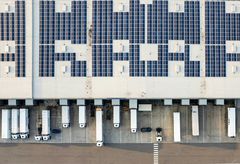
Bill Gates and local investors have proposed developing Belmont, a smart city in the Arizona desert not far from Phoenix. The city would include high-speed digital networks, data centers, new manufacturing technologies and distribution models, as well as autonomous vehicles and logistics hubs.
In Cambridge, England, Telensa and Microsoft Azure are rolling out their Urban Data Project, which uses sensors in public places to collect data. Real-time artificial intelligence and machine learning then extract insights from the raw data, Business Weekly reports.