What was once the “call center” continues to evolve into the contact center, which experts say is less dependent on people for customized service and more dependent on tech-enabled features and automation.
Demand is being driven further into North America as companies search for tech-savvy talent. And retail landlords sitting on 75k SF vacancies should take note.

“Millennials can be reluctant to talk to a live person. They prefer text, live chats or social channels like Twitter to get their issues resolved,” said Kyle Harding, JLL’s Contact Center Group co-lead. “This shift in consumer preference makes the U.S. contact center real estate market more important than ever. U.S. locations feature greater access to a tech-savvy workforce that is now required for the industry.”
The Philippines and India remain the primary markets for contact centers, JLL said in a recent report, but growing digital savvy and rising political uncertainties in these nations are shifting demand toward North America, with the U.S. becoming an increasingly attractive destination thanks to its abundance of young talent. Fifty-three percent of call center providers now have at least one-quarter of their employees in the U.S., an 18% increase in just five years.
President Donald Trump’s push to limit the outsourcing of U.S. jobs is expected to ruffle some feathers as providers shuffle, prioritize and reallocate their portfolios in preparation for new legislation that may require them to keep more contact centers domestically based, JLL reports.
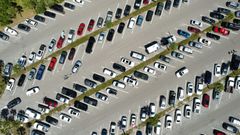
An increase in contact centers in the U.S. can be good news for retail landlords. JLL said vacant retail spaces, especially big-box stores, are attractive adaptive reuse options for contact centers because they have plenty of parking and amenities around to appeal to staff. The average plug-and-play space (property fitted out for contact center use before seeking a tenant) is 77k SF with 6.5:1,000 parking.
From 2010 to 2015, the fastest-growing contact center metro areas were Seattle-Tacoma-Bellevue, Wash.; Detroit-Warren-Dearborn, Mich.; Miami-Fort Lauderdale-West Palm Beach, Fla.; Tampa-St. Petersburg-Clearwater, Fla.; and Rochester, N.Y.