Technology has turned the commercial real estate industry on its ear. Though many perceive it to be the harbinger of death—particularly where retail is concerned—no single change has had a greater impact on the use of and investment in commercial real estate than technology.
In a recent CBRE report that discusses several megatrends affecting the sector, the firm analyzed in detail three of the most affected areas.
1. Tech Talent
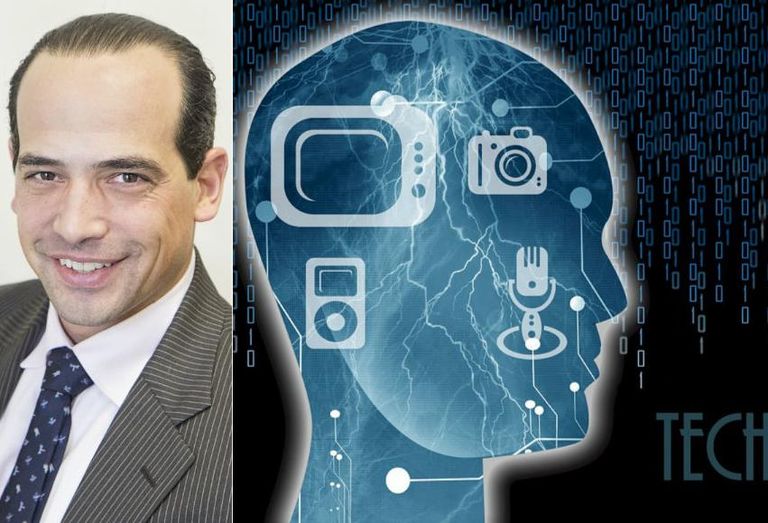
For companies looking to open or expand their office space into a certain market, talent availability is a key factor. This trend is best seen with tech companies. Giant firms like Google aren’t going to expand into Bismarck, ND, because the talent pool there is limited. They're going to the largest tech markets in the country, like San Francisco, Detroit and Baltimore. Where the talent is, businesses will follow. “It's completely upending the traditional markets where people want to invest,” CBRE Americas head of research Spencer Levy (above) tells Bisnow. “These markets are showing tremendous growth and increase in rent and occupancy.”
2. E-commerce
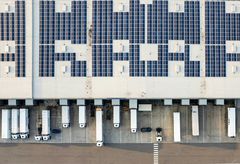
When referencing the impact of e-commerce on the industry, most people point to the negative effect it’s had on retail—specifically the decline in sales, shuttering of stores and drop in brick-and-mortar construction. But Spencer said online retailers have created a boost in industrial as they expand their warehouses in city centers. There’s also been a wave of foreign investment in industrial markets within the past year. “It’s really changed the way the industrial market has worked,” Spencer tells us. “Last year, foreign capital was the No. 1 investor in industrial for the first time, when historically industrial was not an investment-grade asset type.”
3. Autonomous Transportation
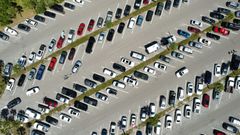
Though self-driving vehicles have yet to hit the market, CBRE projects they’ll reduce the need for parking development. From shopping centers and office complexes to senior housing, once people have access to electronic vehicles that can park themselves, the demand for parking will decline, freeing up space for alternative uses. This will particularly benefit urban areas that have historically bad parking ratios, making them more economically viable. “Self-driving cars is obviously something that’s not here yet, but we believe it could upend various segments of commercial real estate—all related to parking,” Spencer says.