Student loan repayments are slated to resume on Sept. 1, and retail landlords that have gotten used to high demand for space could feel a sting.
Approximately 17% of the U.S.’ adult population — around 43 million people — will be affected by the return of student loans, where the average student loan payment is $393 per month and the median is $222, The Wall Street Journal reported. Research suggests that retail spending could fall by as much as $10B a month as household cash flows dip.
Apparel is the category most likely to be affected if American households suddenly have less disposable income, according to UBS Research’s study on deferred purchases. That could particularly hurt the revenues of Old Navy, Victoria’s Secret, Nike, American Eagle Outfitters and Under Armour, the WSJ reported.
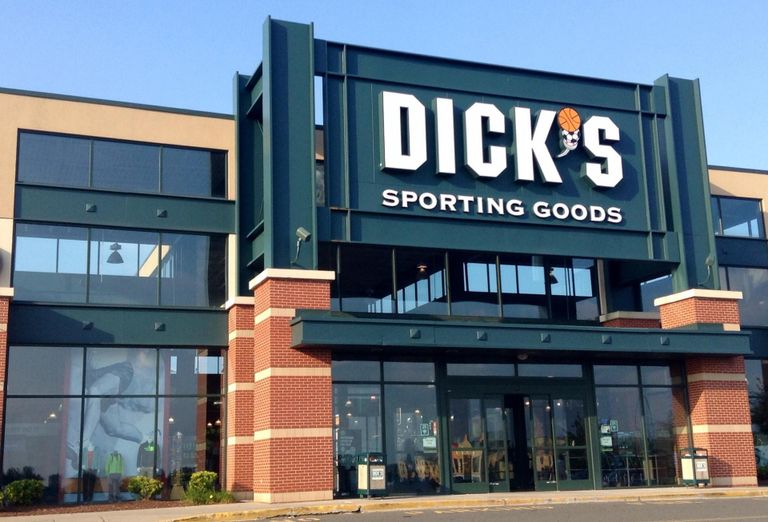
Wayfair, Dick’s Sporting Goods, ULTA Beauty, Williams-Sonoma, Target and Best Buy could also be among the most affected retailers, according to a JP Morgan analysis reported by the WSJ. That’s because those brands have a high proportion of customers who are Gen X and millennial, which are the two generations that owe most of the $1.64T of federal student debt in the U.S.
Retail has been among real estate investors’ preferred asset classes in 2023, allowing landlords to push up rents amid the increased demand for space. While the Federal Reserve’s interest rate hikes and high inflation have hit spending for almost all generations, the return of student loan repayments will add more strain on Gen X and millennial consumers — and retail spending and real estate could be collateral damage.
A potential cooling for retail real estate follows a year of slowly increasing demand, with landlords gaining an upper hand in recent lease negotiations and pushing for measures including annual rent increases. Vacancy is still low, hitting 4.5% for Q1, according to numbers from the National Association of Realtors.
Still, a decline for retail may have already started, according to a Q1 report from JLL: Reduced consumer spending due to inflation, a shift toward discount retailers and reduced appetite for discretionary purchases drove net absorption of real estate to shrink by more than 10M SF.
Any additional impact to retail landlords from the return of student loan payments may not materialize for as long as another year because of a grace period — a time during which borrowers who miss payments will not have their loans referred to delinquency — proposed by the White House during debt ceiling negotiations. With that in place, the return of student loans won’t be seen in economic data until sometime between December and next September.