When billions of dollars in federal aid proved woefully insufficient for the restaurant industry, thousands of small businesses closed permanently during the pandemic. Their replacements might be some of the largest chains in the country.
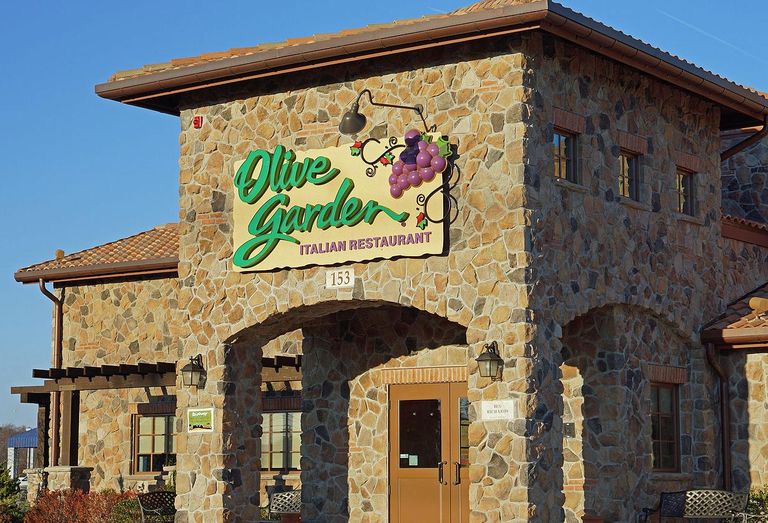
Darden Restaurants, which counts Olive Garden and Longhorn Steakhouse as its biggest subsidiaries, is aggressively scouting locations vacated by independent operators and is far from alone in doing so, Darden CEO Gene Reed said during the company's quarterly earnings call on Friday. Those chains have willing partners in retail landlords, which are placing more value than ever on tenants with good credit, CoStar reports.
“We get to look at most of the real estate out there in the United States,” Reed said on the call. “We get first look at it, and if we can make it work we will tie up a lease and we’ll try to put the right brand in there to maximize the opportunity.”
Darden anticipates a total of 35 new restaurant openings for its fiscal year 2022, which runs through the end of May, with another 35 on tap for FY2023, the company stated in its quarterly earnings report. At least a third of its new openings will be under its Cheddar's Scratch Kitchen brand, which operates at a lower price point than Olive Garden and Longhorn, CoStar reports.
About 90,000 restaurants closed during the pandemic, most of them small businesses, according to data from the National Restaurant Association reported by CoStar. The majority of the spaces vacated are much too small to fit the format of chains like Olive Garden or its competitors like Applebee's and Chili's, restaurant development consulting firm Prendergast and Associates principal Jerry Prendergast told CoStar, creating fierce competition for those larger locations.
Though many sectors of commercial real estate have broadly recovered from the pandemic, restaurants were among the hardest-hit, and smaller operators have been less able to handle the labor crunch and inflation that came with the economy's bounce back. Though the omicron variant dented Darden's quarter and caused the company to miss analyst estimates and lower its earnings projections, it caused even more pain for smaller operators, which have been calling for the Restaurant Revitalization Fund to be replenished despite Congress' lack of appetite for further stimulus.