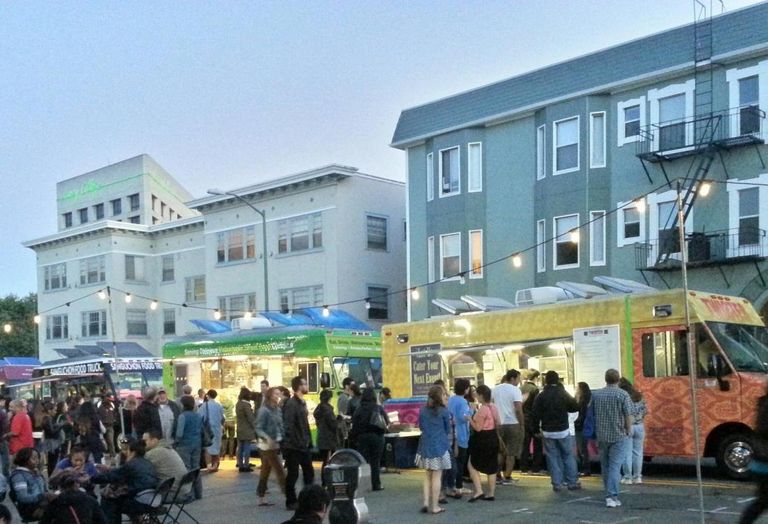
As food trucks, pop-ups and food halls gain increasing acceptance in real estate, a defined pipeline is emerging as chefs and restaurateurs opt for these lower-cost solutions to launch or expand their brands.
With more temporary and mobile solutions, these operators can test out locations, recipes and branding with less capital and fewer risks before deciding to open a full-time restaurant.
"Food trucks have gone from a fad to a necessary platform," National Food Truck Association CEO Matt Geller told Utah Business.
A contributing factor to the proliferation of food trucks is the widespread adoption of food trucks by landlords as an amenity to lend suburban office parks an urban feel, or to boost foot traffic on blocks that have new mixed-use developments. Both situations funnel customers to food trucks right outside the door of their office or home, allowing operators to build an audience that could follow them to their future or current brick-and-mortar locations.
There has also been a gradual relaxation of restrictions on where trucks can operate in cities across the country, Utah Business reports. With more possible areas to set up one's truck, the location-scouting feature of food trucks is enhanced.
The growing popularity of food halls has provided another point of entry into the restaurant industry for entrepreneurs who may not have the capital or the appetite to operate a full location of their own. Though food halls don't provide the freedom of location that food trucks do, they carry fewer risks, like equipment failure and susceptibility to weather, CBRE reports.
Food hall operator Urbanspace President Eldon Scott told CBRE that his industry provides a way for operators to close the "big gap" between idea and full-blown restaurant. Food stands and pop-up kitchens in landlords' empty spaces both provide massive discounts in overhead and rent. They may not be as profitable, according to Utah Business, but risk avoidance might be even more important in the current retail environment.
As restaurants account for an all-time high in market share within retail centers, they remain a volatile investment for landlords due to how quickly they can fail relative to soft goods retailers or more basic services. Using a food truck, stand or pop-up as something of a proof of concept is becoming an accepted way for restaurateurs to convince landlords to take a chance on them.