Anchors Are Making It Hard For Landlords To Update Malls

empty mall, dead mall

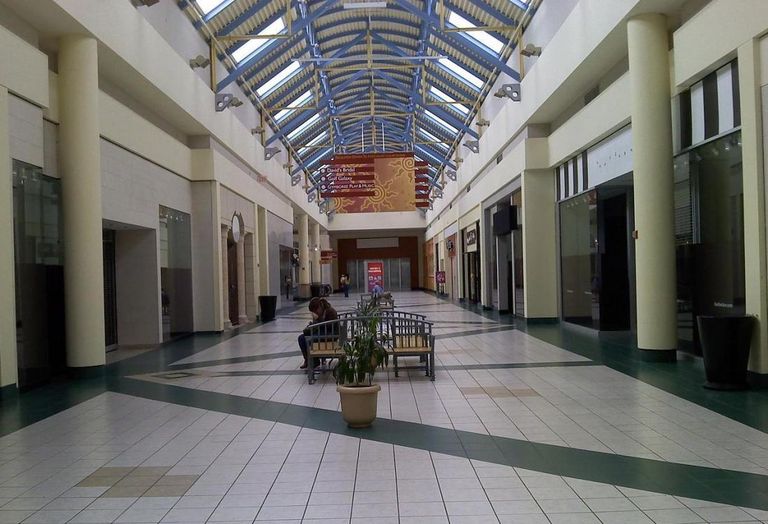
Some anchors are clinging to agreements signed years ago to make it hard for mall owners to revamp aging malls.

Known as reciprocal easement agreements, the contracts aim to protect the rights of both anchors and owners by making it hard for either party to reconfigure space without the consent of the other, the Wall Street Journal reports. Today, as e-commerce tears down retailer after retailer, anchors and mall owners don’t always have the same interests, and anchor tenants are using these contracts to prevent adaptations that could help the mall but hurt their store.

Sears and Lord & Taylor, among others, are caught up in litigation against some of their landlords, fighting over issues ranging from subleasing space to demolishing the entire mall for redevelopment. While these legal battles could rage for years, one thing is certain — they will drastically slow down much-needed upgrades for older malls.

Continue reading this story with a free account

Log in or register
Sign up for more articles like this
Subscribe to Bisnow's National Newsletters
Related Stories

Real Estate's Bottom Rung Is Getting Harder To Reach — And Now It Wants AI Skills

Banks Are Manhattan's Latest Hot Retail Tenant

OpenAI Plans Data Center Rebrand To Make Projects Palatable To Voters

The Geo Group To Reopen 2,329-Bed Immigration Facility In Texas

Brookfield, CPP Complete $5.2B REIT Buyout, Pick Up U.S. Logistics Assets

Metropolis Is Bringing AI To The Parking Experience, And Property Owners Are Taking Notice

What's At Stake For CRE In Tuesday's U.S. Midterm

The Data Center Election That Matters Isn't In Congress

TPG, ACORE Raise Billions For Opportunistic CRE Funds

Newmark Cuts Earnings Outlook Despite Record Third Quarter

Battered Mortgage REIT Suspends Dividend To Preserve Cash

GGP To Redevelop Former Dick's Sporting Goods Store At Frisco's Stonebriar Centre