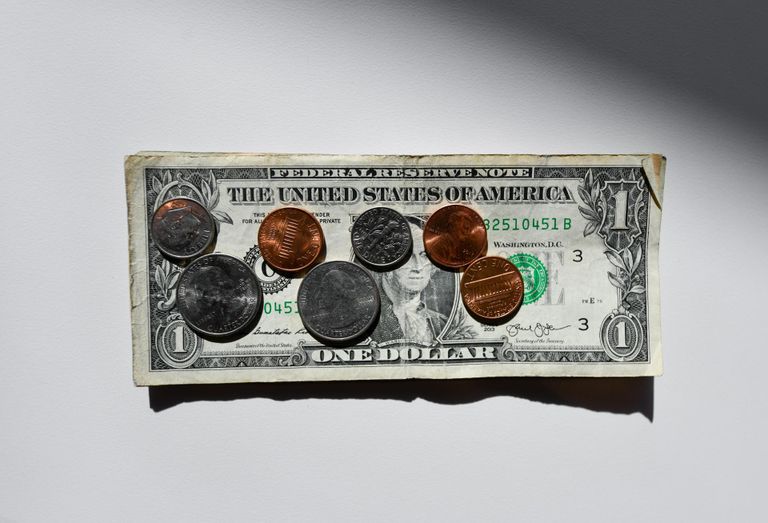
Inflation has hit a new generational high.
May’s consumer price index — the principal indicator used by the Bureau of Labor Statistics to measure what consumers are paying for everything from groceries to medical care — was 8.6% higher than a year prior, hitting its highest point in four decades, the BLS announced Friday.
The CPI already reached a 40-year high in March, then dropped slightly in April before jumping back up last month.
Energy costs, driven higher as a result of Russia’s invasion of Ukraine, were a key driver of inflation, rising 34.6% year-over-year, and grocery prices were up 11.9% — the first increase of 10% or more since March 1981, according to the BLS.
Shelter costs, which include rent and home prices, registered their highest 12-month increase since February 1991, rising by 5.5% from May 2021.
Labor market issues are also driving concern. Although unemployment is at its lowest point in almost half a century, demand for workers is still outstripping supply. Reducing the demand for labor is an important factor in cooling the economy, according to one JLL analysis.
The Federal Reserve, charged with taming inflation and cooling the economy while avoiding a recession, has since introduced a series of interest rate hikes. In early May, the Fed introduced a 0.5% interest rate increase — its biggest rate hike since 2000. The Fed plans to meet again next week to discuss another rate hike, the Wall Street Journal reports.
Experts say more drastic action is needed to curtail inflation. This week, the World Bank issued a warning that economic indicators point to potential global stagflation.
Alarm bells first started to ring about inflation’s grip on the country last November, when prices reached a 30-year high. Inflation levels, initially fueled by low interest rates and stimulus checks delivered by the federal government during the pandemic to stave off the pandemic’s worst effects on individuals, have since proven stubborn as supply chain disruptions keep prices of goods high.
Interest rate increases may also spell trouble for CRE more broadly, if early indicators are to be believed. Commercial property sales dipped by 16% nationally in April compared to a year earlier, according to data from MSCI Real Assets.