Bisnow’s First Draft Live is a weekly series featuring live conversations about the critical stories impacting CRE right now — from market volatility and economic uncertainty to the growing influence of artificial intelligence. First Draft Live is a companion to The First Draft, Bisnow’s daily, flagship CRE newsletter. Register here to get The First Draft in your inbox. Subscribe to First Draft Live on Apple and Spotify, or scroll down to view in your browser.
While the longest government shutdown in U.S. history may be over, the commercial real estate industry will be feeling its impact for some time.
Multifamily developers told Bisnow during the shutdown that approvals were grinding to a halt, lenders were freezing new originations, and deal activity had slowed. Hotel revenues were slammed by slowdowns in travel, and a halt in government economic data introduced uncertainty into underwriting.
Now, up to $14B in output has been permanently erased, the country has sustained a major GDP hit, and millions of Americans are tightening their belts heading into the holiday season, especially those whose SNAP benefit payouts were delayed.
All of this has left the CRE industry once again floating in a sea of unpredictability as it continues to work toward “bliss in 2026.”
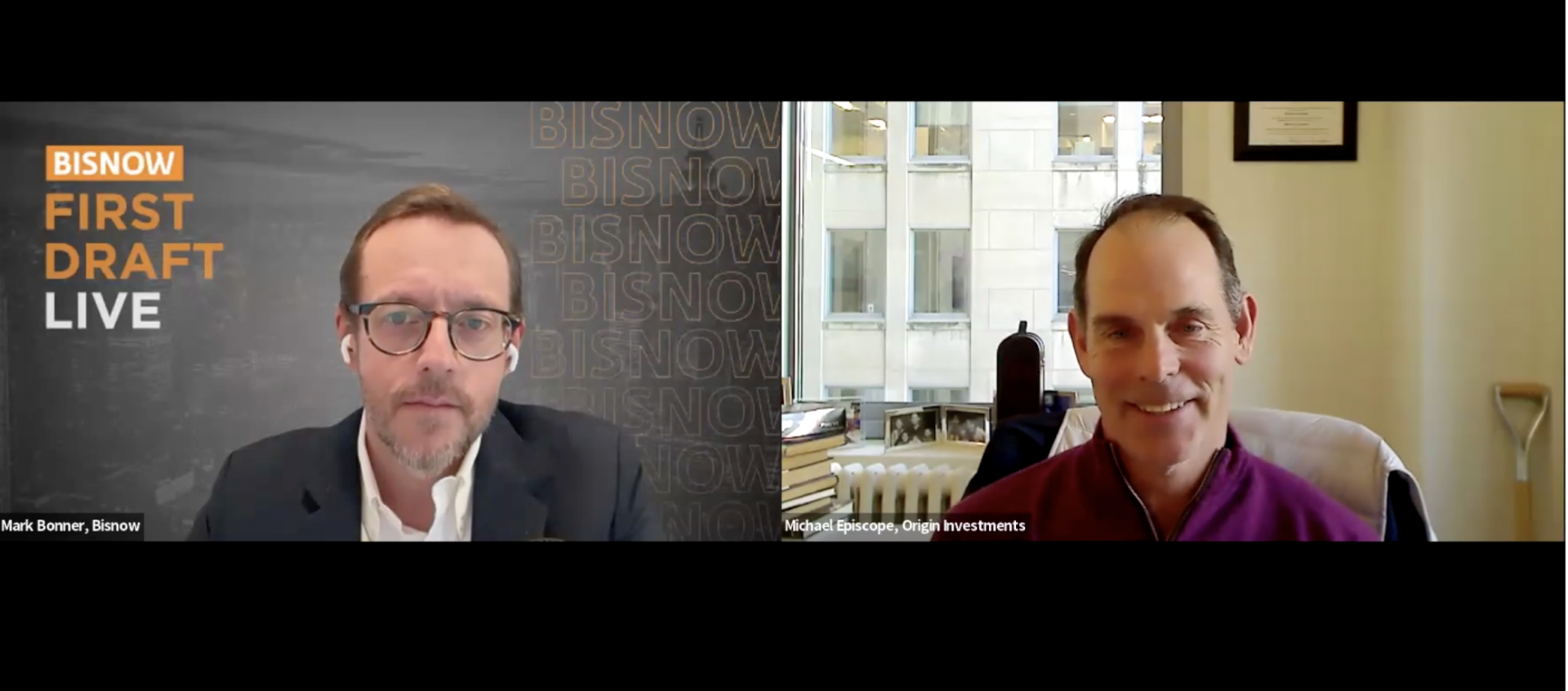
And there will be concrete ramifications from the shutdown, Origin Investments co-CEO Michael Episcope said Friday on Bisnow’s First Draft Live.
Bisnow Editor-in-Chief Mark F. Bonner said on the show that in CRE, “wobbles” show up fast in the form of collections, occupancy and tenant health. With that in mind, he asked, how should investors view consumer risk?
“You have to assume that there’s going to be lower demand as a result of this government shutdown,” Episcope said.
The disruptions to SNAP and the Department of Housing and Urban Development will continue to have ripple effects, including the 2,000 multifamily starts that were delayed, which will impact rent growth. However, Episcope added that “this too shall pass,” just as the market was able to recover from many of the impacts of the pandemic.
Watch the full conversation here: