The issue of affordable workforce housing is serious enough to warrant political change unpopular with developers, but it looks likely to only get worse.
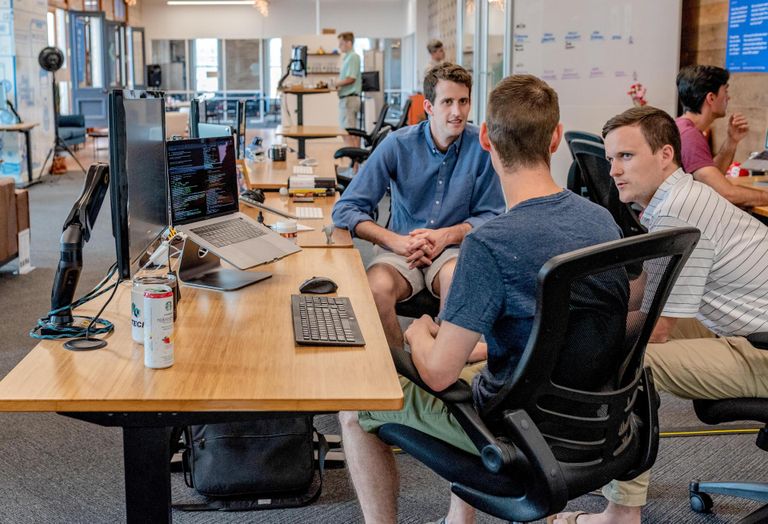
Monthly living expenses (rent, mortgage, utilities, etc.) are rising at a faster rate than wages for 44% of respondents in a new survey from RentPath and Randstad US. Generation Z, a label that broadly applies to those born between the mid-1990s and the mid-2000s, is the youngest generation in the workforce, and 53% of respondents from that demographic are seeing rents grow faster than wages.
“Tight budgets are nothing new for young people just starting out in their careers, but today’s increasingly high cost of living coupled with slow wage growth means that, despite low unemployment, millennials and Gen Z are faced with at least two variables negatively impacting their financial well-being,” Randstad Chief Human Rights Officer Jim Link said in a statement.
Across generations, rental housing remains a financial burden on a large portion of Americans. The average salary of a renter in the U.S. for 2018 was $57/month less than the average fair market rate for a one-bedroom residence, and $281/month less than the average fair market rate for a two-bedroom residence, according to the annual Out Of Reach survey from the National Low Income Housing Coalition. OOR uses data provided by the U.S. Department of Housing and Urban Development to determine fair market rate for each market.
The rent pressure facing Gen Z affects more than just the multifamily market. Forty-three percent of Gen Z workers said in RentPath's survey that they can't afford to live near their jobs, while 57% of all employees surveyed said they would quit their job with a "great employer" if its location moved in a way that materially affected their commute.