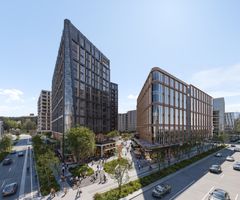
Denver’s multifamily market has been plagued by an oversupply of new construction, leading to a strong renter’s market with rising concessions and rent prices dropping 3.5% year-over-year.
Over the last couple of weeks, Denver’s asking rents dropped below the national average for the first time in 16 years, CoStar Director of Market Analytics Jeannie Tobin said.
“This might be a short-term thing, but as of right now, what we are forecasting is that Denver asking rents are going to remain below the national average at least through the end of next year,” she said.
Some experts believe the national average effective rent is a better metric to consider because multifamily rents are “pretty volatile,” Tobin said. Effective rents also account for concessions.
Denver’s effective rents dropped below the national average in early 2024, but the difference between the two data points now — $80 — is the widest gap CoStar has seen since 1999, when the company started gathering multifamily data, Tobin said. And compared to similar cities like Austin, Phoenix and Seattle, Denver has seen the largest decreases in effective rents since the first quarter of 2025, according to data provided by CoStar.
The decline in effective rents is the result of a boom in new multifamily construction, largely driven by developers wanting to build before Denver’s 2022 affordable housing mandate went into effect.
“Denver’s construction boom was a little bit more policy-driven, instead of developers following demographics,” Tobin said. “I think that’s one contributing factor to why Denver’s vacancy peaked so high and asking rents declined to the extent that they did.”
Approximately 60,000 units were delivered in Denver in five years, so while the construction slowdown was beneficial last year, the market is still dealing with an overhang of new supply, Tobin added.
“We are the market that has rents that are farthest below the long-term trend line of any market,” Vivmark Residential Vice President of Development Todd Nicotra said at Bisnow’s Multifamily Annual Conference in Denver on Nov. 5.
Nicotra sees this as an opportunity because it means Denver is affordable again and remains a desirable place to live.
“Yes, things are bad. They’ve been bad for a few years, but the future is bright here,” he said. “There’s a reason people want to move here and live here, and now they can.”
On the bright side, Denver’s multifamily market has reported an increase in occupancy rates year-over-year and record quarter net absorption in the second quarter of 2026.
“Rents are definitely the trailing indicator,” Tobin said.
A turnaround will rely on a productive spring leasing market, a time when landlords typically see the largest increase in rent growth, Tobin said.
“We really won’t see positive annual rent growth in the Denver market until probably the second half of 2027,” she said.
The multifamily market is shifting nationally, too, with effective rents increasing $15 between the third quarter of 2025 and 2026, according to CoStar data.
Similar to Denver, the national multifamily market is no longer considered real estate’s “golden child” due to an increase in borrowing costs and oversupply.