Affordability is top of mind for American voters as the midterms approach, with consumers squeezed by high prices in the grocery store, at the gas pump and in the housing market.
Candidates in races around the country are responding in kind, homing in on plans to address housing affordability in particular as a way to reach voters. But those candidates are contending with a macroeconomic landscape that has made affordable and even market-rate housing construction a difficult business proposition.
“Everybody knows what's needed, and certainly our industry is eager to meet the need,” said Bernard Fulton, who works on legislative affairs at the National Multifamily Housing Council.

But the macroeconomic environment and dynamics in the U.S. apartment market have made new development a difficult proposal today, he said.
“People are hesitant because the numbers just don't work,” Fulton said.
Eight in 10 Americans say housing affordability is a problem, according to a survey from the National Association of Home Builders. In a September poll of 113 mayors from around the country, 96% said residents were either very concerned or extremely concerned about affordability.
Estimates of the size of the shortage vary, with Freddie Mac on the low end at 3.7 million units in a 2024 analysis and the National Association of Realtors putting the number at 5.5 million in 2021. Four states will vote on Nov. 3 to decide six housing-related ballot measures focused on land use, zoning and affordable housing financing.
“Inflation and rises in the cost of living have catapulted issues related to affordability to the top of voters' minds,” said Sara Bronin, CEO of Land Use Labs, a parcel zoning intelligence platform. “I think we will see a number of elections decided on questions that hit Americans' pocketbooks, with housing being one of those issues.”
In California, one ballot measure would cut some environmental compliance hurdles to development and another two ballot propositions ask voters whether to leverage either bonds or state-backed loans to help fund housing programs for affordable rentals or middle-income buyers.
Massachusetts voters will choose whether to put a statewide cap on minimum lot size for single-family homes.
In Hawaii, voters will decide whether to amend the state constitution so counties and other local governments can leverage specific bonds for infrastructure and community development costs.
Rhode Island voters are similarly set to vote on whether to authorize $120M in new bonds to fund housing development.
The ballot measures come as there’s growing recognition across all levels of government that housing affordability has become too large of an issue to tackle solely at the local level, said Nicole Upano, who works on housing policy and regulatory affairs at the National Apartment Association, a Washington, D.C.-based trade group.
“Only governments can really utilize those economies of scale and meaningfully address the housing affordability challenges that renters are seeing across the country,” she said.
Here’s a closer look at four governor races where candidates have staked out competing positions on multifamily policy or issues that will impact landlords.
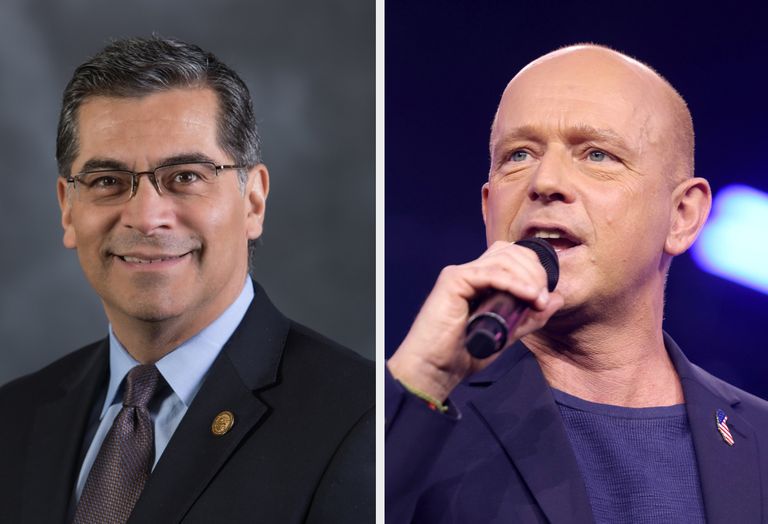
California
The Democratic and Republican nominees for governor in California have staked out competing agendas for solving the state’s housing crisis.
Democrat Xavier Becerra has pledged to declare a housing emergency on his first day in office and find funding for 40,000 affordable units that have already been approved. He plans to change zoning laws to allow for denser developments and to use state authority to penalize municipalities that don’t follow through on their state-certified housing pledges.
A key flashpoint in California’s housing debate surrounds Senate Bill 79, a state law that allows for upzoning near major transit sites and was signed by Gov. Gavin Newsom in 2025.
Becerra wants to expand the law to allow for more density and development, while Steve Hilton, his Republican opponent, wants to instead unlock 1% of land across the state for development to, as his campaign puts it, build outward and not just upward. He opposes mandates that force density onto communities and wants more single-family homes to be built.
The difference in opinion is a snapshot of the broader debate happening across statehouses around the country. Proponents of urban infill and multifamily housing development say it’s the only way to broadly increase housing affordability, but they have for decades run up against zoning laws with parking minimums and other restrictions on density that are meant to preserve the character of a neighborhood.
Becerra leads Hilton by a double-digit margin.
Colorado
In Colorado, Republican Victor Marx is pushing a deregulatory agenda in a faceoff against Democrat Phil Weiser, the state’s current attorney general who in 2025 sued some of the country’s largest landlords over their use of algorithmic rent-setting tools.
Weiser, who joined the federal government and other state attorneys general in an antitrust suit against software firm RealPage over its property management tools, is taking an even tougher stance as a candidate for governor. Weiser said he would have signed a bill that outgoing Democratic Gov. Jared Polis vetoed that would have prohibited the use of software to coordinate algorithmic rent-setting.
Weiser has made housing policy a key plank in his campaign platform, pledging to create a chief housing officer for his administration. He’s aiming to spur the construction of 40,000 attainable housing units for ownership and lower costs for 100,000 renters by 2035 and sees promise in modular construction and transit-oriented development.
Marx has pledged to review building and environmental regulations for potential reforms that he says will save costs and time on construction while pressuring local governments to make decisions on development proposals quickly and with relatively few applications.
Weiser is expected to win, according to The Cook Political Report, and would take over from Polis, who is term-limited.
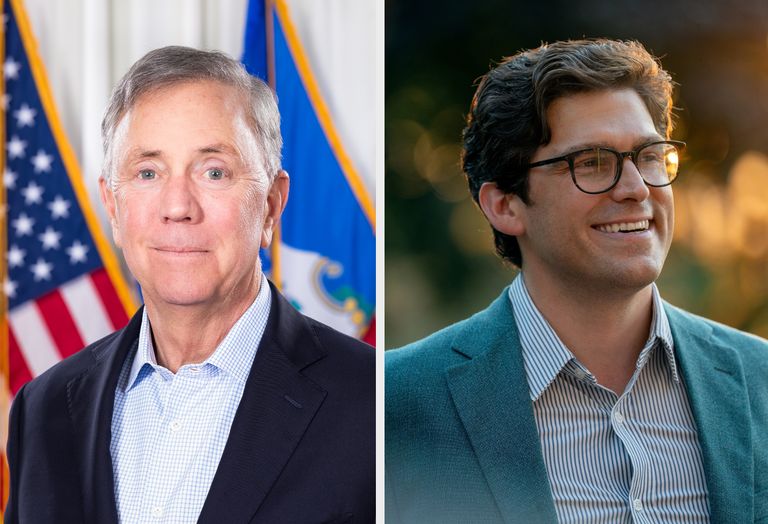
Connecticut
Connecticut Gov. Ned Lamont, a Democrat, is facing a direct challenge to his housing policies from his opponent, Republican Ryan Fazio, after a contentious housing bill passed during a special session of the legislature in 2025.
Lamont, the favorite to win reelection, vetoed an earlier version of the legislation before signing a revised bill in November that his opponent says remains flawed and needs further changes.
The legislation aims to speed up project approval and increase building density by allowing some residential development on commercial parcels, approving projects in some cases without public hearings, cutting parking requirements, and adding incentives for towns to allow for more dense development near transit stops.
Lamont has framed the law as a sensible way to increase housing supply and affordability, holding a ceremonial signing session in December at a mixed-income housing development in Norwalk. Fazio counters that the law takes decision-making authority away from municipalities and forces local governments to approve certain types of development.
At a forum in July, Fazio said the reforms he wanted to make to the legislation included adding cost controls, boosting supply by cutting regulatory burdens, and respecting local control.
“The debate in Connecticut, like other states, is whether local governments should have exclusive authority over zoning within their boundaries, or whether the state should play a role,” said Land Use Labs' Bronin, who is a land use expert and professor at George Washington University Law School.
Florida
Affordability and the cost of living have been at the heart of Florida’s race for governor.
Gov. Ron DeSantis is term-limited and has endorsed U.S. Rep. Byron Donalds to replace him. He's facing off against David Jolly, a Republican-turned-Democrat, but a question further down the ballot has dominated much of the conversation this election season.
Amendment 3 effectively aims to eliminate property taxes — except for school taxes — for owners of primary residences by raising the homestead exemption from $50K to $150K in 2027, stepping up by another $100K in 2028 and putting the state on a path toward full exemption.
The amendment would also cut the annual cap on assessment increases for nonhomestead properties from 10% to 5%, a bit of relief that will directly hit commercial property owners’ tax bills. Florida state economists estimate that the combined changes would cost roughly $5B in lost revenue during its first year.
While the ballot measures would cut state taxes, local municipalities would have to find that revenue somewhere or cut services, and there’s some expectation that property owners will face higher millage rates to make up the difference. The increased cost could come out to roughly $400 per unit for a multifamily owner, research from Walczak Policy Consulting found.
Donalds supports Amendment 3, while Jolly is opposed. The candidates also have competing proposals for reining in insurance costs, with Donalds pledging to end certain hurricane-related surcharges and Jolly planning a new state catastrophe fund to let “private insurers stop pricing hurricane risk into policies.”
The Amendment 3 referendum needs to clear a 60% vote margin to pass. Current public opinion polling suggests the amendment's proponents are facing an uphill fight despite having majority support among voters, according to a Mason-Dixon poll this month.