Chicago White Sox owner Jerry Reinsdorf is planning to request nearly $1B in public money from Gov. J.B. Pritzker and other state leaders to fund a new South Loop stadium for the team, according to a local media report.
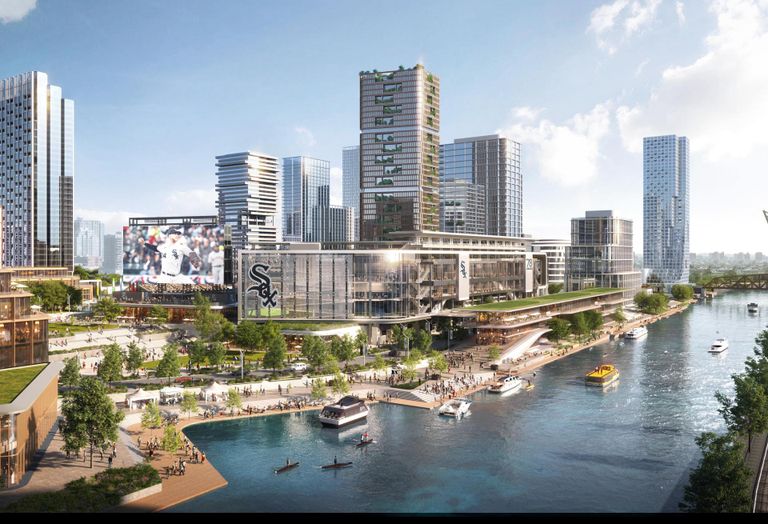
Reinsdorf and Related Midwest President Curt Bailey, the developer in charge of The 78 megadevelopment where a new stadium would reside, have been making the rounds with politicians, business people and labor leaders to drum up support before a meeting with the governor, Crain's Chicago Business reports.
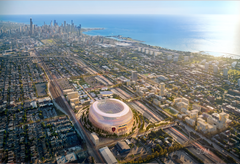
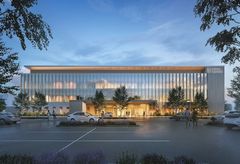
The upcoming request follows the governor publicly urging caution with how the state spends taxpayer dollars when specifically questioned about stadium financing last week. Related Midwest released initial renderings of the ballpark Feb. 7.
Reinsdorf and Bailey are confident they can earn state backing by arguing that stadium subsidies would lead to billions in private investment and not require tax increases, Crain's reported. Taxpayers have yet to pay off bonds used to build the team's current home at Guaranteed Rate Field, with about $50M outstanding.
But the White Sox will not be seeking taxpayer funding, according to Crain’s, and will instead ask to tap into a 2% hotel tax originally used for Soldier Field renovations in 2003 as well as revenue generated by a tax increment financing district.
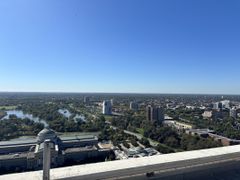
Sources with knowledge of White Sox discussions told the Chicago Sun-Times in mid-January that the negotiations for a ballpark at The 78 are “serious.” Related owns the site of the potential stadium at Roosevelt Road and Clark Street.
The 78 is located near the CTA’s Roosevelt station, which connects the Red, Green and Orange lines.
Reinsdorf dropped hints in August he was thinking about relocating the team from its Bridgeport home when its lease is up in six years. At the time, sources close to Reinsdorf said he was mulling options ranging from constructing a new stadium in the city or suburbs to developing the area around the current ballpark to include more bars and restaurants, creating an entertainment-focused neighborhood like those around other urban stadiums.
Relocating to Nashville, a city that frequently comes up in discussions about Major League Baseball expansion, was also in play at the time.