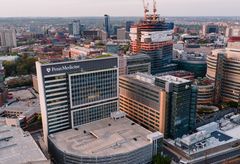
Healthcare providers are searching near and far for suitable space in Greater Boston's ultratight medical office market, leading them into new areas and types of properties.
Boston's 28M SF medical office market last quarter had an occupancy rate of 94.4%, according to Avison Young — the highest rate of the 20 largest markets and above the national average of 92.2%.
Though demand for outpatient medical space is extremely high, new development hasn't kept up. Avison Young found that Boston had 19K SF of new medical office space delivered in the third quarter and another 211K SF under construction.
Tenants looking to grow are turning to suburban areas and converting vacant office and retail spaces that usually have cheaper rents and more parking than purpose-built medical office, industry executives said last week at Bisnow's Boston Healthcare and Medical Campus Development event.
"The supply, especially in the infill of the Boston area, is so super tight," Colliers Executive Vice President Steve Woelfel said at the event, held at the Westin Boston Seaport District hotel. "What we continue to see is that growth of the suburbs."
Many healthcare operators looking for space are working with tight budgets, making it difficult for new construction projects to pencil out.
AEW Capital Management Vice President James Mayo-Smith said a lot of these tenants rely on private equity sponsors and institutional players to help make these build-outs possible.
"The issue is the construction costs," Mayo-Smith said. "How do these healthcare organizations, if they're owning the real estate, afford to do it? And I think what we're starting to see is they'll partner with, whether it be private equity or other institutional landlords, to do the build-outs."
Demand has never been stronger, especially as America's elderly population continues to grow and to require more care. Healthcare systems also understand that the need for suburban outposts is increasingly important to meet older patients closer to home.
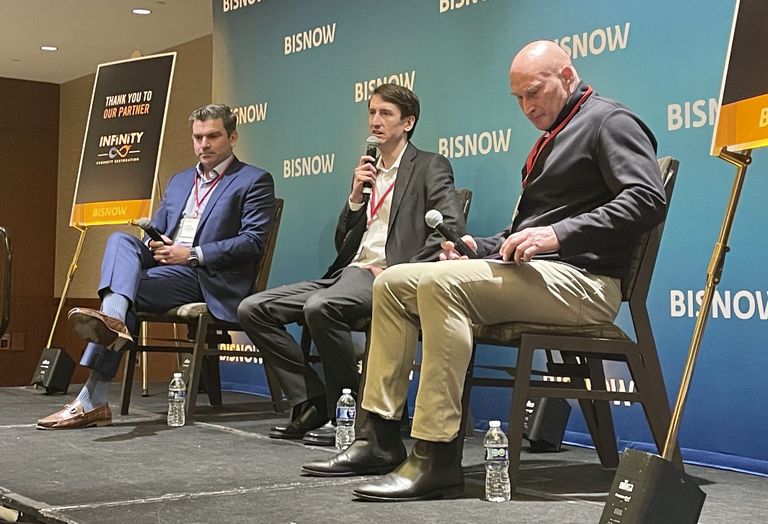
"There's inelastic demand, and we've got an aging population across the nation," Mayo-Smith said.
Some medical office tenants are looking to other types of commercial real estate to expand their practices. Woelfel said conversions are happening in and around Boston as a way to address the lack of supply in the medical office market.
Conversions are expected to account for a record 5.5% of all healthcare construction this year, according to CBRE. In the first half of the year, the firm found that 43% of medical office conversions were from retail properties, and another 42% were traditional office buildings.
Greater Boston's traditional office market has far more empty space, with Avison Young reporting its availability rate last quarter at 21%.
"The conversions are happening. The demand's there," Woelfel said. "I don't like to put medical office in the same sector as the office market, but the demand's always going to be there."
"It's conversion of product, whether it be retail or office space," he added. "You're seeing more adaptive reuse of strip centers, cheap real estate."
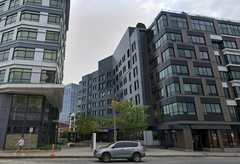
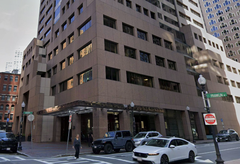
AEW has pursued a conversion project at its One Brigham Circle asset near Longwood Medical Center in Boston. The firm filed a proposed amendment to its master plan for the site to change uses for 67K SF in the property to allow clinic and accessory clinic uses. The Boston Planning Department approved the change in February.
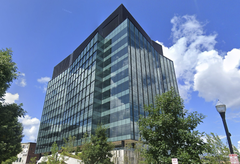
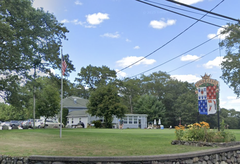
The Davis Cos. secured a 56K SF lease from Cambridge Health Alliance at One Cabot Road in Medford after the developer repositioned the building. The health system consolidated its services from its Assembly Square location into the new facility.
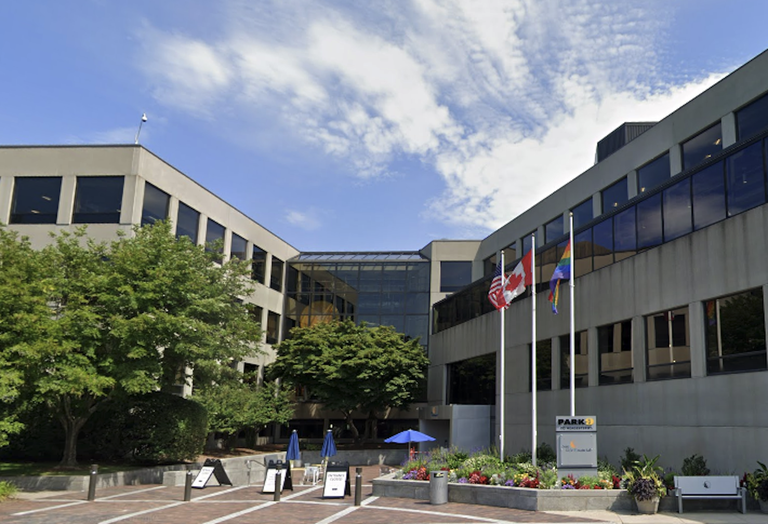
Beacon Capital Partners shifted its proposed office-to-lab conversion at its Wellesley Gateway campus to include a 90K SF medical office project at 110 Worcester St. The project has already seen strong interest from tenants, Newmark Senior Managing Director Michael Greeley said.
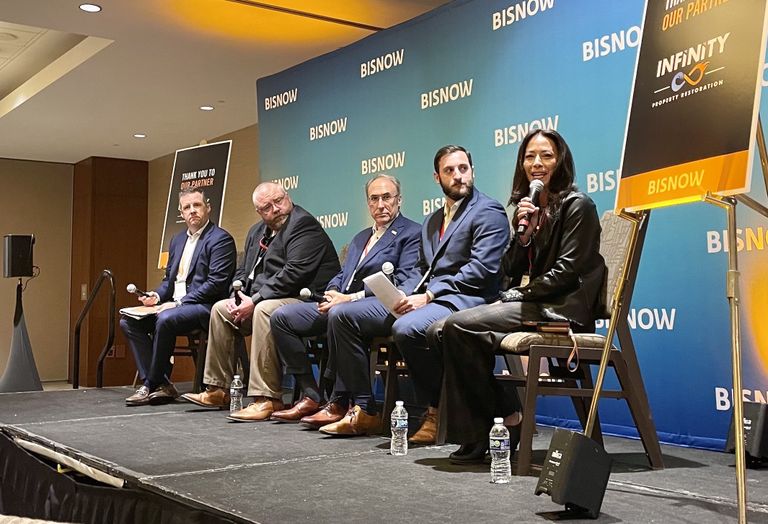
“There’s a kind of a gravity that starts to head towards new facilities, and they almost always get more popular," Greeley said.
Woelfel said he worked with a fertility clinic to find space, signing a lease at an older office building. The tenant's landlord, an institutional owner, paid far more for the build-out than it probably anticipated but was willing to do so, Woelfel said.
"They can do it, but not all landlords can," Woelfel said. "Not all landlords can do the build-out, and not all buildings work for it."
Though there is a strong need for new space, healthcare systems are also grappling with limited capital and competing demands around their existing portfolio, technology investments, staffing and deferred maintenance.
"The times are tough right now in healthcare in general, and that, capped with a year where politics are very volatile and cash is very low, we have a very strategic mindset in terms of capital investment and where and when we actually expand," Boston Medical Center Executive Director Nancy Hanright said at the event.
With the low level of available medical office space, investors see it as a prime sector to buy assets.
Nationally, investment sales for medical office reached $12.7B in the last 12 months, almost double the previous year, according to AY.
In September, AEW and partner Flagship Healthcare Properties sold a 100% leased ambulatory surgery center portfolio to BGO. The deal consisted of 11 centers spanning 223K SF across nine U.S. markets.
However, Mayo-Smith said that in today's market, more buyers are looking to grow their portfolios through single transactions rather than by buying a full portfolio.
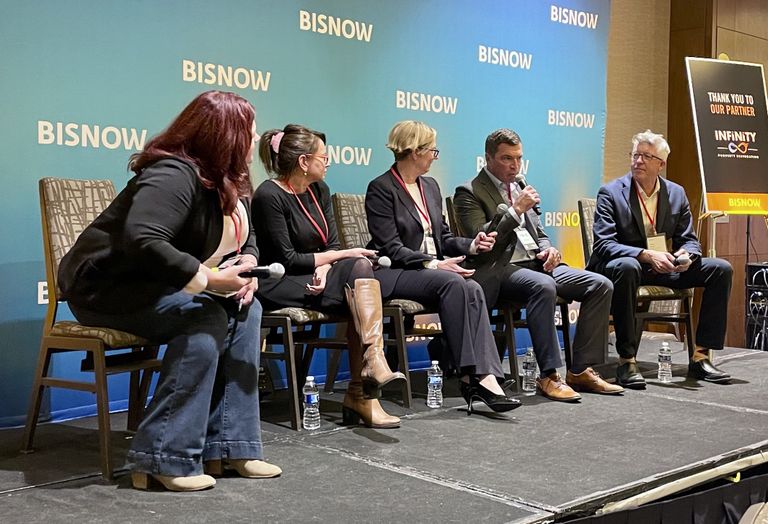
"I think portfolios today, with increased borrowing costs, are getting more scrutinized," Mayo-Smith said. "Buyers are more interested in growth within medical office than they have been normally, historically or in the recent past."
In March, JLL Income Property Trust acquired a two-story, 53K SF outpatient facility in Watertown from Boylston Properties for $32M. The property is fully leased to Atrius Health.
In June, Bulfinch Cos. acquired a boutique medical office building at 70 Hastings St. in Wellesley. The site is home to healthcare companies including VivaSkin Dermatology and Aesthetics, Perla Pediatric Smiles and Exceptional Health.
These suburban acquisitions are attractive because medical office tenants are usually in it for the long haul, with no plans to leave a space even as rents increase.
"We have almost never seen a group move back on campus," Newmark's Greeley said. "Almost always they'll keep the space they have in that building, and they'll grow elsewhere and expand."