In response to a dramatic slowdown in new multifamily construction in Boston, Mayor Michelle Wu is proposing changes to the affordable housing requirements the city places on developers.
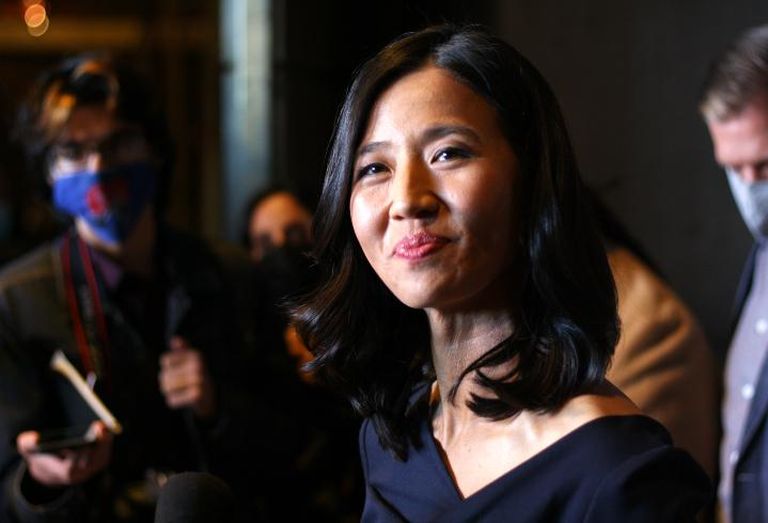
The proposal includes four changes to the city's Inclusionary Development Policy, which requires new multifamily buildings to set aside 17% of units as income-restricted and another 3% of units for Section 8 voucher holders. Wu's proposal doesn't change those percentages, which her administration increased from a combined 13% in 2023, but it temporarily changes what buildings qualify, raising the minimum from seven units to 10 units for the next two years.
It also loosens rules around the options developers have in lieu of providing those affordable housing units on-site. For developers that choose to pay into the city's affordable housing fund, it would spread those payments out from two lump sums to seven installments.
For condo developers, it would reduce the payment-in-lieu fee from 75% to 50% of the difference between the value of market-rate and income-restricted units.
For developers providing affordable housing units off-site, it would remove the requirement that they do so within a half-mile radius of the project.
Wu is also proposing changes to the city's linkage requirement, which forces developers of commercial projects to contribute funding for affordable housing and job training. She called for freezing those fees at their current levels through 2027 and extending the payment schedule from two to seven installments.
The mayor said in a statement that the IDP and linkage policies have spurred the creation of more than 2,900 new affordable homes over the last five years, but she acknowledged the difficulty developers have had breaking ground in today's economic environment.
“In the face of continued economic headwinds exacerbated by federal actions, we are making targeted adjustments to help more projects move forward and create more affordability,” Wu said. “This balanced approach is part of our administration’s broader strategy to build more homes, remove barriers to development, and ensure Boston remains a city where residents can afford to stay and thrive.”
Since Wu first proposed increasing the IDP and linkage fees in late 2022, the real estate industry has widely criticized them as making new development too difficult and pushing investors away from the city. They say these local hurdles being added to broader capital markets headwinds led to the sharp decrease Boston has seen in new housing starts over the last few years.
Following Wu's reelection last year, some real estate leaders expressed optimism that the mayor would become more friendly to development to help reverse this slowdown.
Last month, Wu received approval for her plan to offer a combined $31.5M in tax breaks to help four large multifamily projects totaling more than 1,400 units move forward.
Monday's press release from Wu's office on the affordable housing policy changes included statements of support from several real estate leaders, including Beacon Communities CEO Dara Kovel, National Development CEO Brian Kavoogian and Samuels & Associates principal Abe Menzin.
“These are common-sense changes that recognize the economic realities facing housing development today,” Kovel said.
The release also included a statement of support from Boston Tenant Coalition Executive Director Kathy Brown, who said she was particularly pleased that Wu didn't roll back the 17% and 3% IDP requirements.
The proposal still needs approval from the BPDA Board and the Boston Zoning Commission before going into effect.