The Community Builders recently launched a $40M construction project to renovate affordable housing in the South End. In today’s multifamily market, this product is rare, sorely needed, and perhaps impossible because changes to the federal tax code proposed on Thursday would eliminate tax credits that make these projects pencil out, says TCB prez Bart Mitchell.
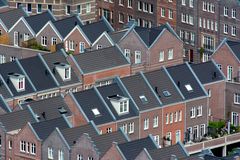
TCB’s Historic South End project started in Q4 and is due for completion in two years. It involves renovating 146 apartments in 30 historic row houses, with a guarantee that they’ll remain affordable for at least 30 years. (By then, we'll all be living on Mars anyway.) TCB secured $20.3M of the $40M construction cost through federal historic and low income housing tax credits. As one of the nation’s largest affordable housing developers, TCB has launched $693M in mixed-income housing developments for 2,600 families in nine states and DC since ’12. But House Ways and Means chairman David Camp’s Tax Reform Act of 2014 proposes to eliminate or reduce the federal tax credits that make these projects financially feasible, Bart says.
Chairman Camp says his proposal will spur economic growth, job creation, and enrich hardworking taxpayers. But Bart counters that cutting the federal tax credits would jeopardize TCB's $381M pipeline of affordable housing for 1,794 families nationwide, as well as the jobs created by community revitalization and the preservation of historic buildings. In the South End, TCB project manager Mike Lozano (above with associate Kim Murphy) says that some of the families have lived in their apartments for 30 years and all qualify for Section 8 subsidies. They’ve seen the neighborhood transform from derelict to desirable and expensive. They couldn’t afford to stay and pay market-rate rents.
The project—designed by Davis Square Architects and managed by CWC Builders—is replacing windows and roofs, as well as installing new kitchens, baths, and heating and cooling systems. It's creating eight handicapped-accessible apartments in the 1860s brick buildings that now have none. During construction, tenants remain in their apartments, which are fully occupied with a waiting list of 640 households, Mike tells us.
Most of the buildings are clustered around Mass Ave and Tremont Street. With the code upgrades, market rent for a two-bed, one-bath would be about $2,200/month; a fraction of the rent for a newly built apartment downtown but still unaffordable for many city residents, Mike says. A service worker would have to labor 120 hours/week to make the rent, he says. A TCB affiliate will own and manage the 30 buildings.