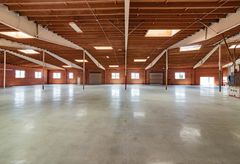
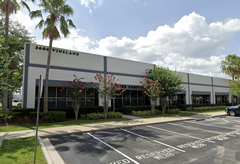
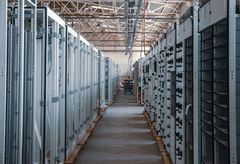
Companies that locate in giant distribution centers face a lot of considerations when deciding on a facility. Are the ceilings high enough? Is there enough room to park cars and tractor-trailers? Does the facility have easy access to major interstates?
But in today's economy, one issue trumps them all: labor.
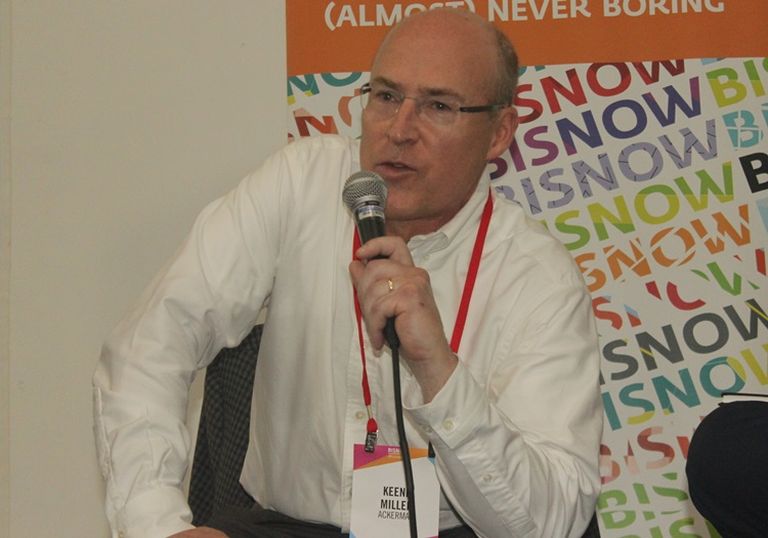
"[Labor] is going to drive decisions going forward enormously,” Ackerman & Co. Brokerage President Keene Miller said. "This is a huge issue in every transaction."
Miller was among a host of industrial real estate professionals speaking at Bisnow's Atlanta Industrial event Thursday morning at Creekside Distribution Center in East Point. Discussions ranged from labor shortages to debates over ceiling heights, the prices investors are paying for properties and the advent of the robot-run warehouse.
But many of the panelists echoed what has been a growing refrain in the supply chain industry: qualified workers are getting harder to find, especially as the nation basks in record unemployment. In Metro Atlanta alone, the unemployment rate was just 3.6% as of April.
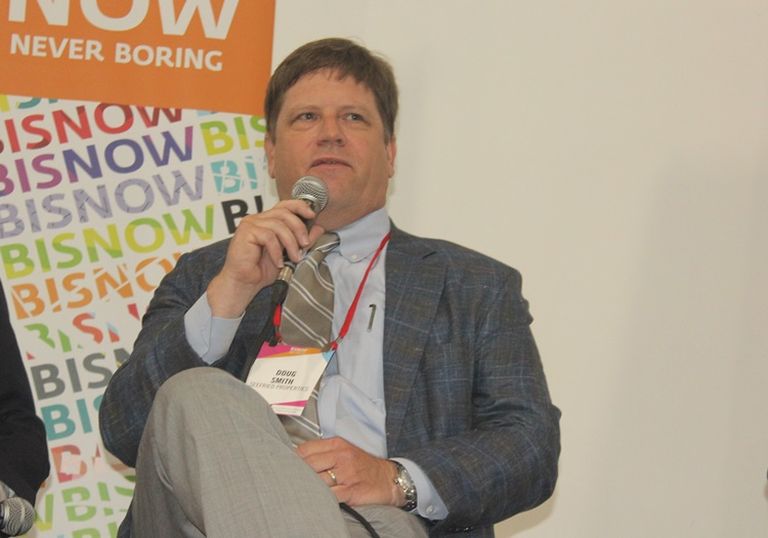
“Labor is tough anywhere,” Seefried Properties Senior Vice President Doug Smith said. "I don't think it's just Atlanta."
Smith and others said labor is the primary concern of any e-commerce company, retailer or third-party distribution company — known as 3PLs in industry lingo — when selecting new warehouse sites.
“I think labor will be an ongoing issue in Atlanta,” he said.
“We also hear that on the [West Coast],” Solution Property Group partner Mal Hill said. “Deals will show up, and they look at the labor [market] and get back on the plane to leave.”
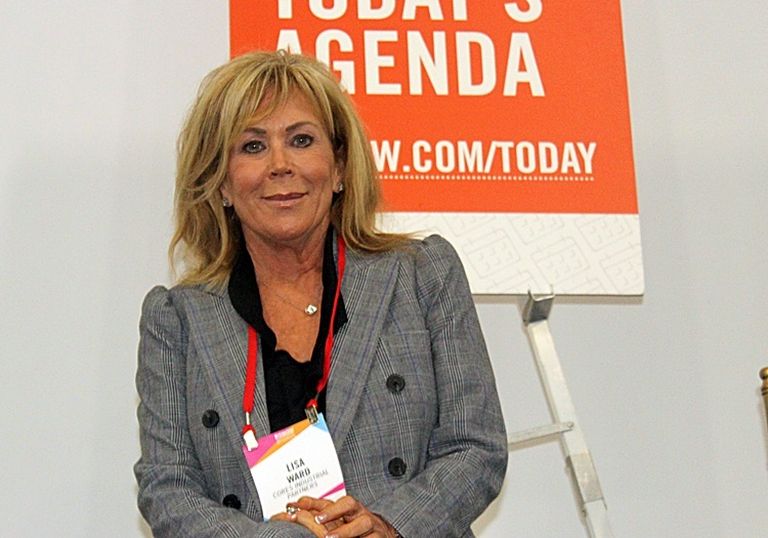
Companies expect to be able to draw from an employment pool within 45 minutes of a warehouse location, Core5 Industrial Partners Managing Director Lisa Ward said. But that selection is complicated as they actively attempt to avoid dipping into markets where their direct competitors have facilities, so as not to compete for the same employee.
One way warehouse operators are addressing the shortage is to attract more millennials. And that requires their real estate stepping up to the challenge of attracting them.
“One of the ways we are taking into consideration the needs of the millennial workforce is to offer specific career paths,” KUKA Robotics President Jerry Osborn told Material Handling & Logistics. “We also have an advantage of providing automation to a variety of industries and that keeps the work interesting and challenging, both of which appeal to millennials.”
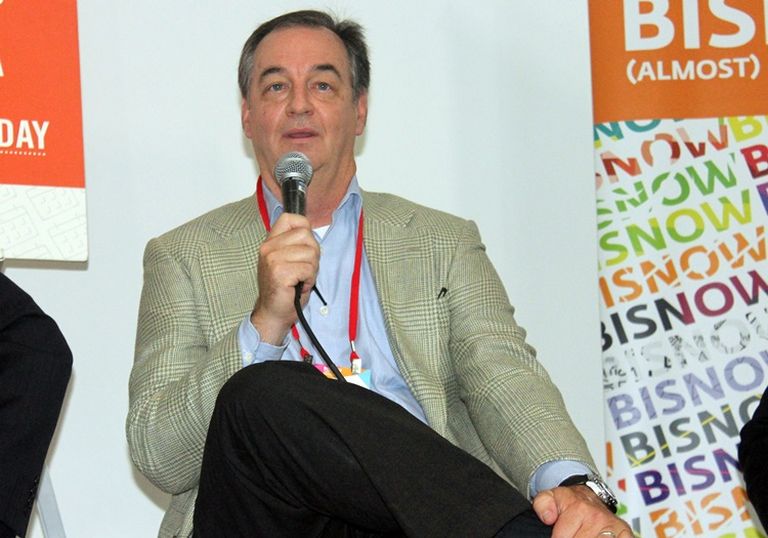
First Industrial Realty Trust Regional Director Corey Richardson echoed those sentiments on the panel, adding that more tenants are requiring air-conditioned warehouses to appease workers.
The giant in the e-commerce warehousing industry, of course, is Amazon. But in some quarters, its treatment of warehouse workers has been criticized, which has played into the favor of competitors.
“We have seen some of the larger retailers look to locate near Amazon [warehouses],” Richardson said. That way, he added, they are able to siphon off dissatisfied Amazon warehouse workers to their operations.
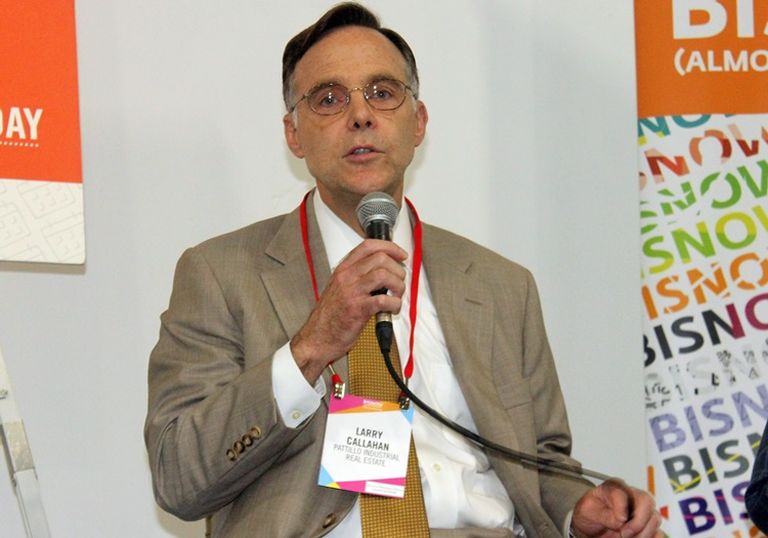
The final answer to the labor shortage may well be robots. Within the past 36 months, e-commerce users have been evaluating buildings where they can use robots on the floor, Smith said. But not all warehouses are created equal when it comes to utilizing Johnny 5 to pick and sort your online orders, Pattillo Industrial Real Estate CEO Larry Callahan said.
This movement has been spurred partially by Amazon's use of the Kiva robot. And while Kiva has been deployed at less than 12% of its warehouse portfolio, where the robots have been used has saved the company an average of $1M per facility, Ward said.
The problem, Pattillo's Callahan said, is many modern warehouses lack the load bearing on their floors to handle extensive robotic use. Warehousing tenants using robots are seeking somewhere on the magnitude of 1,000 pounds per SF of bearing on the floor, he said.
“A lot of them are starting to plan for the day that they're going to start to use more robotics,” Callahan said. “We're starting to see it, and it's something to start to think about.”