
After years of talk about adaptive reuse, 2025 was the year that conversions really took off in New York City.
In the 11 months leading up to December, 4.3M SF of residential conversions started construction, up nearly 60% from the 2.7M SF that launched in 2024, according to Cushman & Wakefield. But that’s just the start.
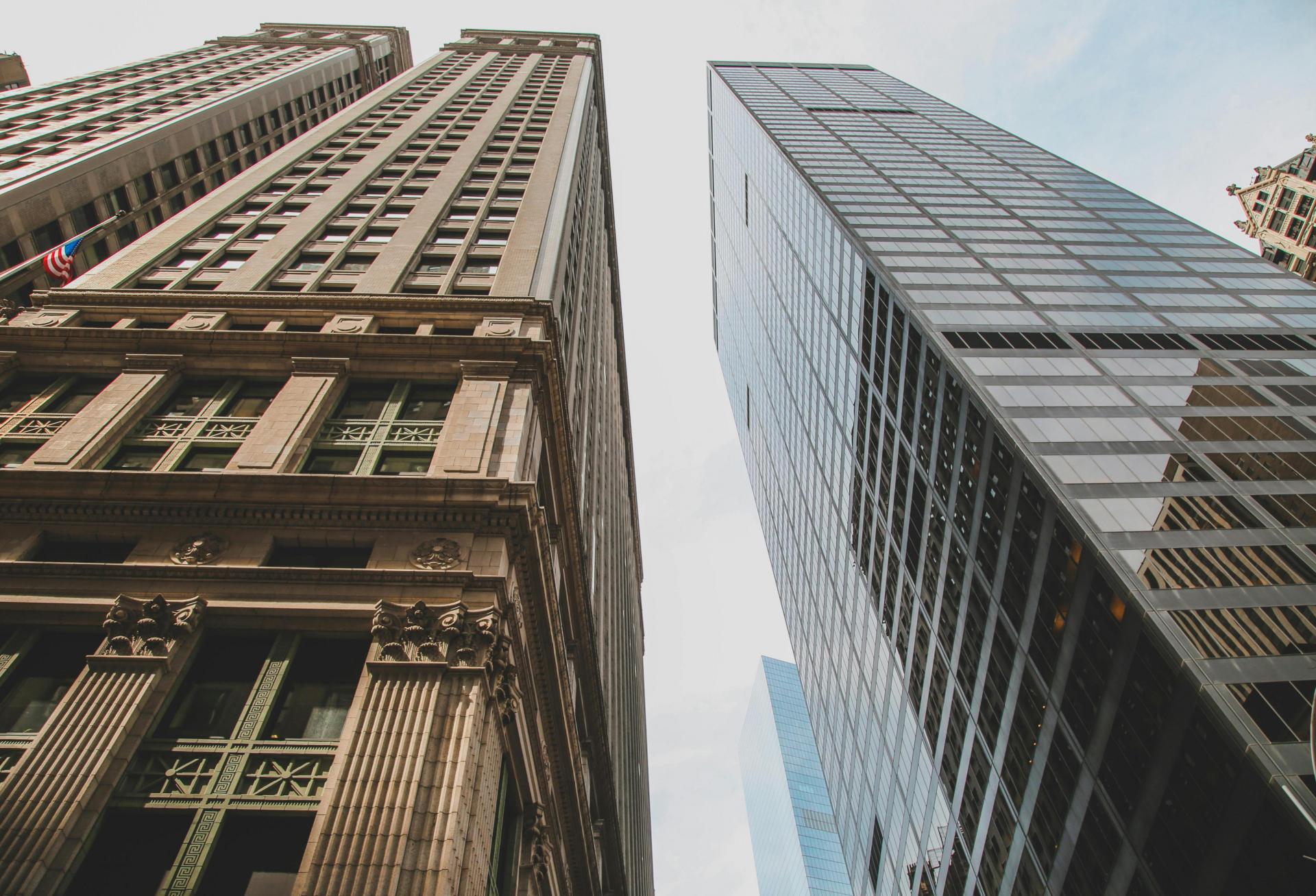
Additional permits are flooding in on a seemingly weekly basis, with more developers eager to transform underutilized office space acquired on the cheap into in-demand housing stock after years of doubts over the project type's viability.
“It’s been an odd cycle, and it seemed to just be delayed,” said Jessica Anderson, principal of design, engineering and consulting firm Arcadis. “Now is the time that developers can start to really make this an opportunity and convert these projects into something that is needed on the market.”
Next year, another 9.5M SF of conversions are planned to begin construction, according to Cushman & Wakefield data provided to Bisnow. That’s more than twice the conversion market this year and nearly double the last peak in 2008, when 4.8M SF of office space was converted.
Adaptive reuse takes an “alignment of stars for it to make sense,” TF Cornerstone principal Jeremy Shell said.
Only recently have those cosmic dots connected.
In August 2023, the city launched its Office Conversion Accelerator, a program to help developers navigate the agencies required to execute the complex projects. By the following May, owners of 64 buildings had expressed interest in the program.
Then, as part of sweeping housing reforms passed in the 2024 state budget, the 467-m tax incentive was born. The program grants developers generous tax breaks for converting buildings and reserving a percentage of the resulting units as affordable. The program has three tiers for projects that start before June 30, 2026, 2028 and 2031, respectively, with increased benefits for those that commence earlier.
Also last year, the citywide zoning reform known as City of Yes was adopted, clearing red tape that prevented certain buildings from being converted. Among those changes was expanding eligibility from offices built before 1961 to 1990, allowing more flexibility in mixed-use developments and relaxing light, air and unit layout rules.
By the end of 2024, the amount of office space being converted hit 2.7M SF, up from less than 1M SF two years prior, according to Cushman & Wakefield. But those programs allowed developers to hit the gas in 2025.
A number of other neighborhood rezonings have also cleared the way for conversions, including in Midtown South, where housing was previously prohibited.
As new policies have been enacted, more office tenants have left older buildings for newer trophies, pushing the vacated properties' values down. That isn’t great for owners, but it is necessary for conversions, which can be pricey and complicated undertakings.
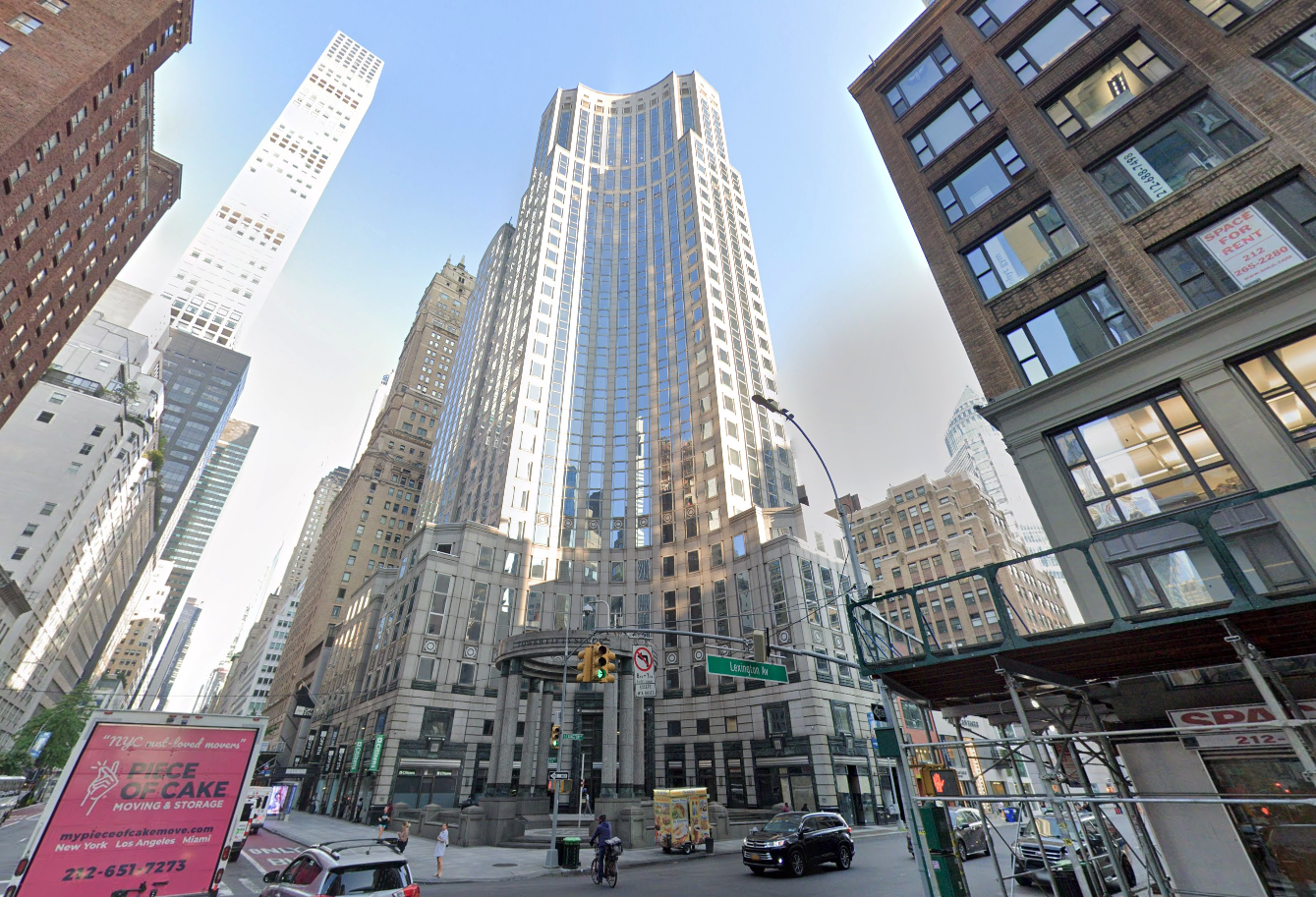
TF Cornerstone is among the developers that are only now getting back in the game. The firm’s founders, Thomas and Fred Elghanayan, made their name by converting 5M SF of commercial to residential developments across 15 projects, but they hadn’t touched a Manhattan conversion in nearly two decades — until this year.
TF Cornerstone has been tracking office buildings throughout Manhattan for years, assuming there would be distress but not knowing what may be possible, Shell said.
In August, the firm closed on the acquisition of Tower 57, a Billionaires' Row office tower it plans to turn into mixed-income housing. It signed a ground lease for the tower for $159M after its previous owner, billionaire Charles Cohen, stopped making rent payments and had his lease terminated.
The 32-story tower at 135 E. 57th St. was in need of major capital improvements, and its tenant roster had diminished to the point that it was nearly vacant.
“I don't think we ever expected to be back building on 57th Street and producing this type of housing in this location, converting office buildings into apartments,” Shell said.
TF Cornerstone watched closely as the property spiraled and spent nearly a year negotiating with the landowner before taking control. It now plans to turn the roughly 430K SF building into 350 apartments.
“We've got a couple more in the forward pipeline that we're chasing and hoping to build on the success here locally,” Shell said.
The firm has also formed a $1B venture with Dune Real Estate targeting conversions nationally.
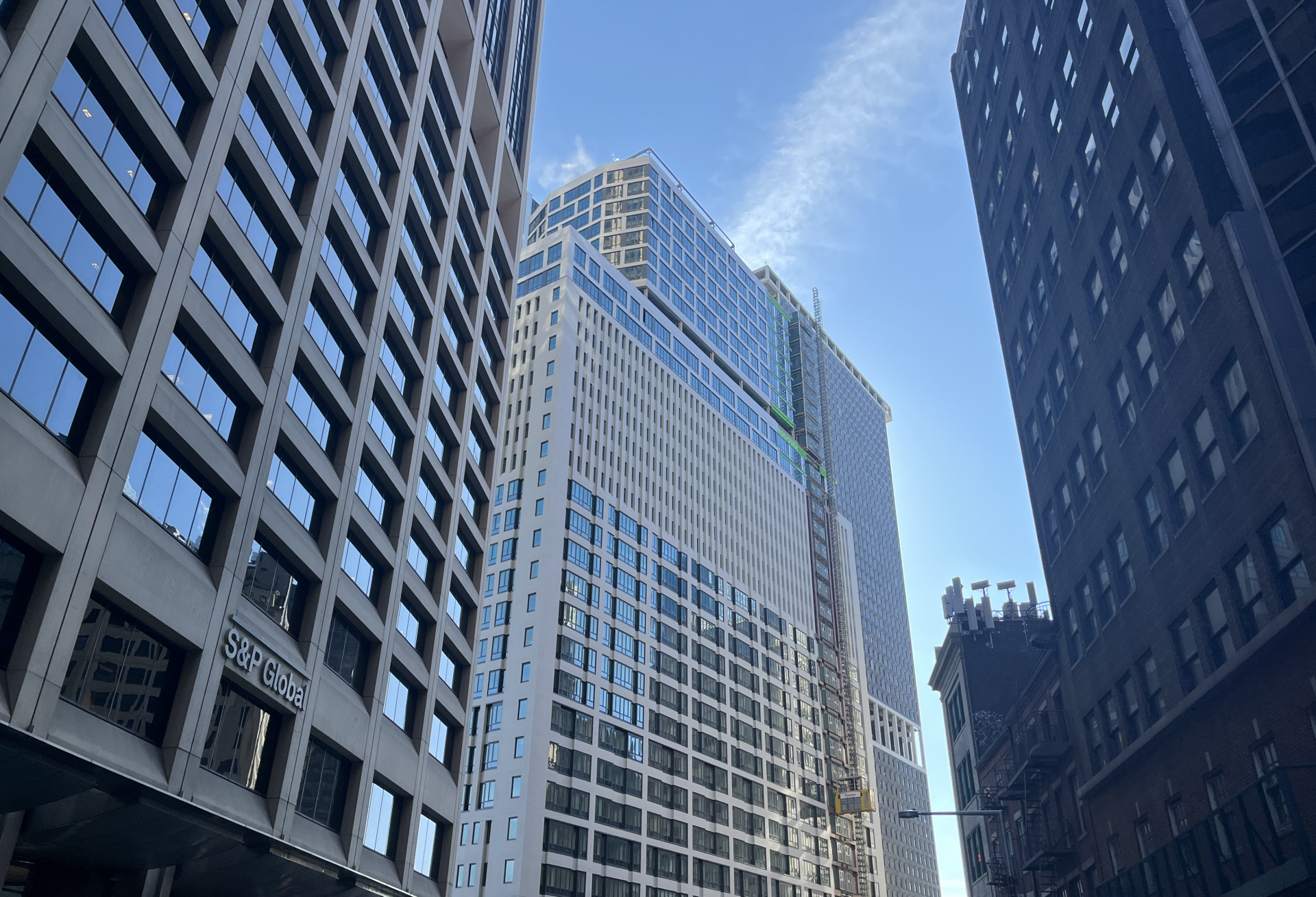
For years, developers complained that adaptive reuse projects were nearly impossible and that it would be easier, in some cases, to tear buildings down and start anew. Many New York City towers are full-block monoliths with deep floor plates, which can make building apartments — where every bedroom needs an exterior window — impractical or even unfeasible.
“A lot of people thought that many buildings just wouldn't be suitable,” Corcoran and Corcoran Sunshine Senior Vice President of Research and Analytics Ryan Schleis said. “That actually has been largely disproven.”
Developers have gotten creative, cutting out cavernous light wells, adding new floors on top and using buildings' cores for amenities that don't require windows. That was the tactic used at 25 Water St., the country’s largest conversion project so far, where GFP Real Estate, Metro Loft Management and Rockwood Capital delivered 1,320 luxury apartments this year.
The process can lead to odd layouts, part of the reason why the vast majority of conversion projects are rentals: Tenants care less than buyers about an apartment with a strange shape, Schleis said. Additionally, the 467-m tax exemption only applies to rental projects.
Of the units expected to come to the market next year, nearly 2,000 will be rentals and just 317 will be condos, according to Corcoran Sunshine Marketing Group's analysis of the conversion pipeline, including apartments coming from former offices, hotels and industrial buildings.
With the pipeline ballooning, 5,240 rentals and 427 condos are expected to deliver from conversions in 2027, followed by 6,540 rentals and 242 condos in 2028, according to Corcoran.
Those numbers could grow, depending on how many permits are filed in the coming year. Conversions tracked by Cushman & Wakefield increased from 8.8M SF in August to 9.5M SF at the end of November. Midtown South in particular is expected to attract developer attention, as buildings there tend to be smaller and easier to turn into conventional-looking apartments, Schleis said.
But because the next wave of properties being targeted may be smaller, a peak could be on the horizon.
“It does seem like some of the super large [projects] might start to taper off, just because we are seeing some rebound, especially in the high-end office leasing market,” Schleis said.
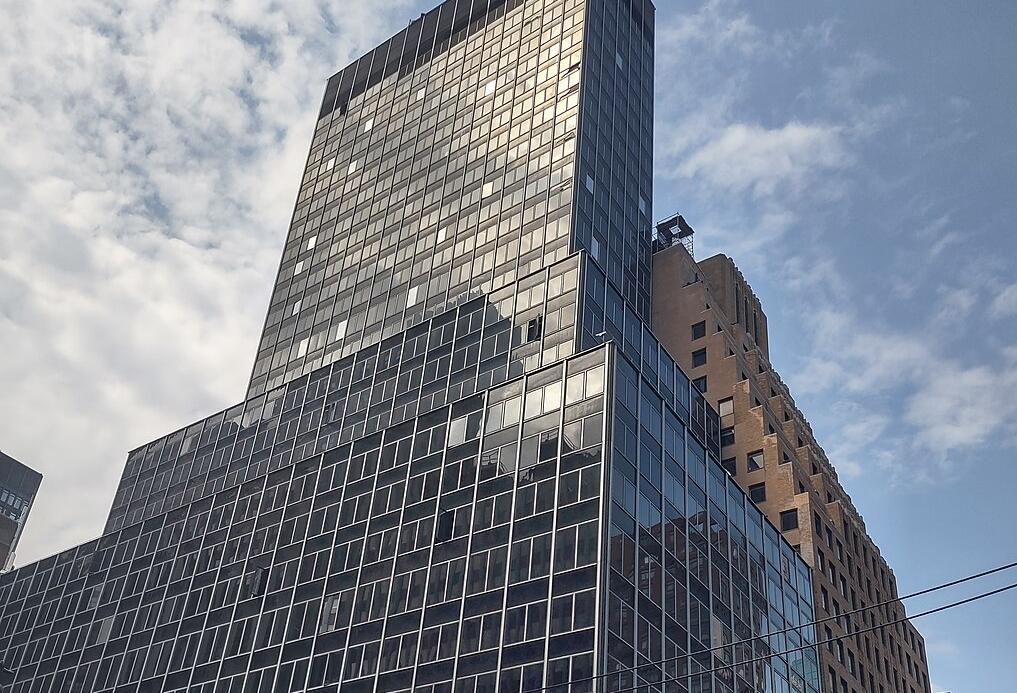
Between 2020 and the end of November of this year, 32% of conversion projects were of Class-A office buildings, up from 11% before the pandemic, according to Cushman & Wakefield. Some of those are in areas of the city that have become less desirable for office tenants or have floor plates that make them easy to convert.
Still, Class-A offices have struggled the least with occupancy. With return-to-office figures at five-year highs and leasing at pre-pandemic levels — plus the 467-m abatement becoming less lucrative starting next summer — conversions are likely to wane.
Northwind Group founder and Managing Partner Ran Eliasaf was among the first lenders to finance major NYC conversions. Northwind provided $210M toward Metro Loft and David Werner's conversion of the former Pfizer headquarters on East 42nd Street. The development, which is the largest on the boards, with more than 1,600 units planned, scored another $720M in May from Madison Realty Capital.
Northwind has so far provided debt for eight conversions, but Eliasaf said many of the largest developments are already in the pipeline.
“It's still going to be an asset class we invest in,” Eliasaf said. “But I don't think we're going to see the same volumes three years from now as we've seen in the last three years.”
)
)
)
)
)
)
)
)
)
)
)
)