


New York City and Long Island’s combined 70 million annual tourists ensure consistent and strong hospitality demand, but the competitive landscape makes the asset class volatile. The average occupancy for local hotels significantly exceeds the national average, with Manhattan’s average occupancy levels around 85% and Long Island’s around 73%. Thus, a modest price bump, even one imperceptible to guests, can triple profits. Conversely, having to lower rates, even incrementally, to match nearby hotels can make margins razor thin, easily halving or eliminating net income.
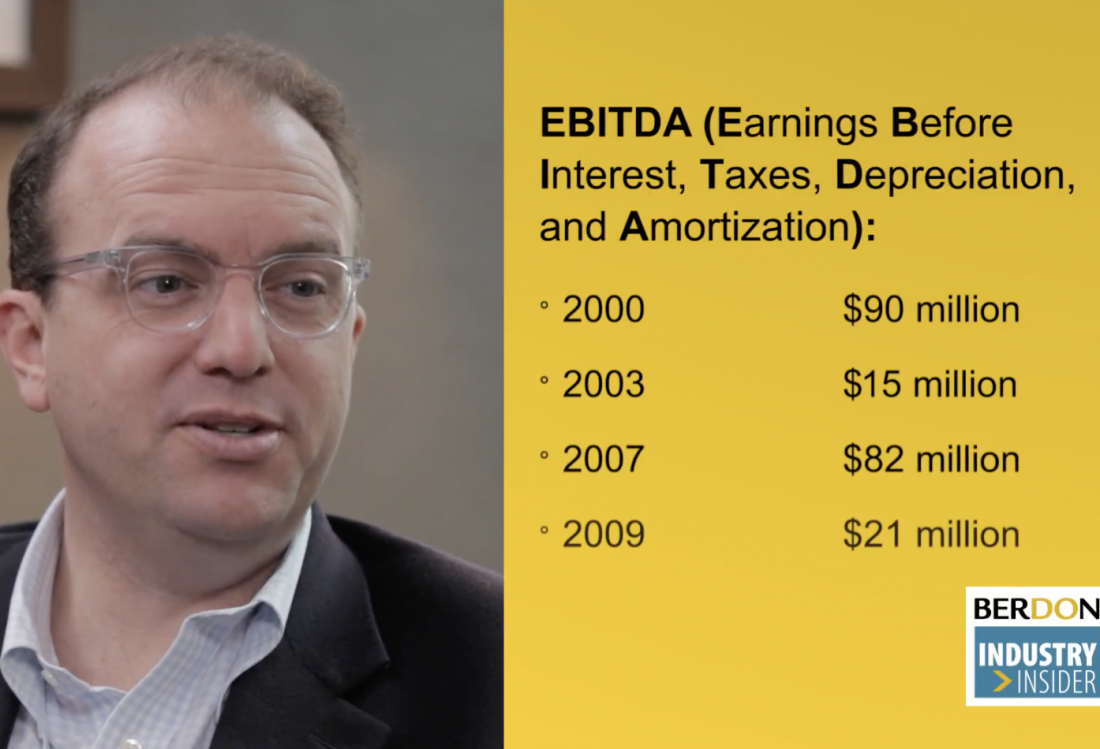
To demonstrate the sensitivity of earnings to rate fluctuations in a nine-year span, MCR Development CEO Tyler Morse cites the Sheraton New York Times Square Hotel. In periods of relative economic decline, management used rate cuts to maintain occupancy and counteract high fixed costs. Consequently, the Sheraton's 2003 EBITDA was one-sixth its 2000 EBITDA, due in part to the dot-com bubble fallout, while its 2009 EBITDA was one-fourth what it was in '07, due in part to the Great Recession.
“It’s always about the rate,” Berdon LLP Chair of Real Estate Services Maury Golbert said.
Young consumers are spending a greater share on travel and restaurants as they seek experiences more than material goods.
“From a macro level, the hospitality and tourism industry are doing great. People are traveling more,” Morse said. “The demand is up, but the world moves in cycles.”
To insulate against uncertainty, Morse stresses the importance of geographic diversification in investors’ hotel portfolios. MCR has assets in comparably stable White Marsh, Maryland, and Egg Harbor, New Jersey, to temper those in big-name markets.
In this way, Morse said MCR hedges against the volatility of the institutional capital hot spots, larger cities like Miami, San Francisco and NYC. Although America’s hotel stock grows 1% to 2% per year, Manhattan’s room count grew from 70,000 to 105,000 between 2007 and 2017. Morse and Golbert discuss more NYC hospitality topics in the video below.
To learn more about Berdon LLP and its team of real estate experts, click here.
)
)
)
)
)
)
)
)
)
)
)
)