Urban Migration: Suburbs Are Trying To Look Like Cities

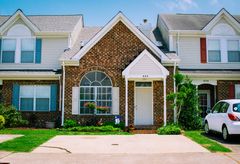
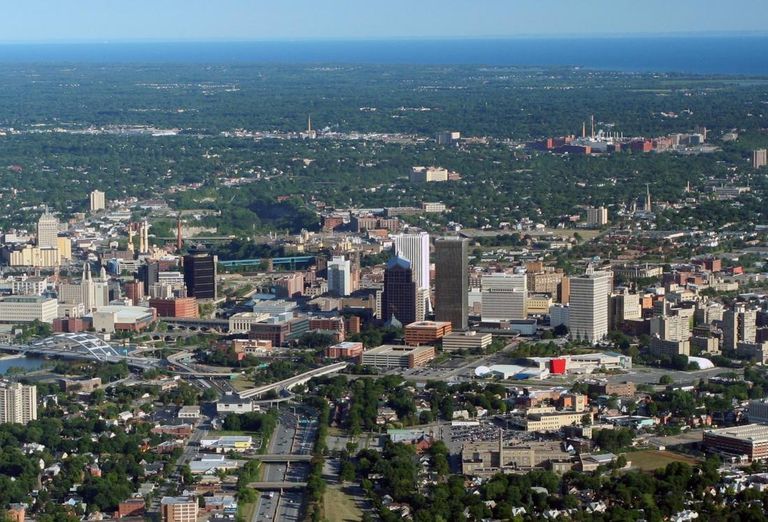
As young professionals and their employers continue migrating to the cities, suburbs around the country are trying to look more and more urban to get a piece of the action.

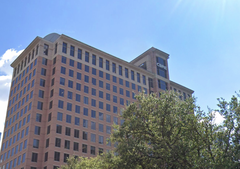
Suburbs are attempting their makeover by changing zoning laws and building office towers, high-rise apartments and new retail centers—all in a bid to attract new employers and residents, and breathe life back into the local economy, the Wall Street Journal reports.

These changes are happening across every corner of the country, from Tysons Corner in the DC metro area, where developers are planning to build apartments to match the area’s huge office parks, to North Carolina’s Research Triangle Park, where developers are adding 1,500 apartments mixed with offices, a first for the area.

It’s too early to tell whether these enticements will reverse any of the urban migration, which has seen the population of college-educated 25- to 34-year-old residents in downtowns grow 44% between 2000 and 2010. [WSJ]

Continue reading this story with a free account

Log in or register
Sign up for more articles like this
Subscribe to Bisnow's National Newsletters
Related Stories

FIRST DRAFT LIVE: Why Sun Belt Multifamily Giant Cortland Is Moving Its Money North

Data Centers Fuel Busiest Industrial Market Since 2022

Treasury Introduces Rule Blocking Big Investors From Bulk-Buying Homes

'Illegitimate' Or 'Leveling The Playing Field'?: Why Habitability Cases Are Surging In Eviction Court

Walker & Dunlop Execs On Dealmaking Volatility, Data Center Risks, Housing

Hines Closes $591M Multifamily DST Offering

Kroger Plans 3 New Store Formats, 110 New Locations In Bid To Boost Sales

CBRE Leans On Data Center Business As Higher Rates Squeeze Capital Markets

Blackstone Writes Down Real Estate Values But Remains Bullish On Data Centers

Debt Flood Shrinks Bank OZK's Real Estate Book Faster Than Planned

The Governor Races And Referendums Where Housing Is On The Ballot

Trump: Data Centers 'Mandated' To Supply Own Electricity, Should Pay 'Dividend' To Communities