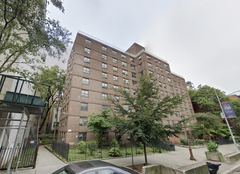
Retail Landlords Are Leasing Space By The Week To Pop-Up Shops

Retail landlords are making good use of vacant storefronts. Rather than let space sit empty, owners are entering short-term lease agreements with pop-up stores.

From closed art galleries to sparsely tenanted malls, landlords are growing receptive to leasing space for as short as a week to speciality pop-up stores, which sell anything from skin serums to designer handbags, the New York Times reports. The benefit is twofold: for popup shops, they gain public exposure, flexibility and oftentimes below-market rents, while landlords are simply happy to have a tenant. Though some landlords believe it is not worth the trouble to prepare a space for pop-up shops, the Times said that sentiment is fading.

Small businesses and online sellers often turn to pop-up stores as a way to experiment with brick-and-mortar retail, and the Times said new brokerage-like companies, including Appear Here, Space in the Raw and Cast Iron Real Estate, are helping landlords market empty space to this new breed of retailer.

Continue reading this story with a free account

Log in or register
Sign up for more articles like this
Subscribe to Bisnow's National Newsletters
Related Stories

U.S. Industrial Leasing Tied To Data Centers Surges To 50M SF

ICE Buys 2 Detention Centers At Nearly 7 Times Valuations

McDonald's Franchisees Push Back Against Pricey Renovation Plans

Brookfield Slashes Value Of Investment In Retailers In Half

Battery Storage Boom Faces Growing Resistance As Moratoriums Spread

NYC, LA, Chicago Among Cities Suing To Block HUD's New Citizenship Rule

Mount Street Establishes New Dallas Hub, Buys $1.4B Servicing Business

$500M Data Center Debt Auction Fizzles, Leaving Dutch Bank To Shop For Buyers

Trump Threatens 'Tremendous Tax' On Companies Building Data Centers Abroad

As Supply Chain Worries Double, Nucor Vulcraft Verco Bets on Owning Every Link

Jensen Huang's Return To Nvidia Revives Bets On Data Center Funding

The Blue Wave Has Foreign Capital Dipping Its Toes Back Into U.S. Commercial Real Estate