E-commerce giant Amazon is expanding its physical presence even further in the U.S. as it seeks to grow parts of its delivery business.
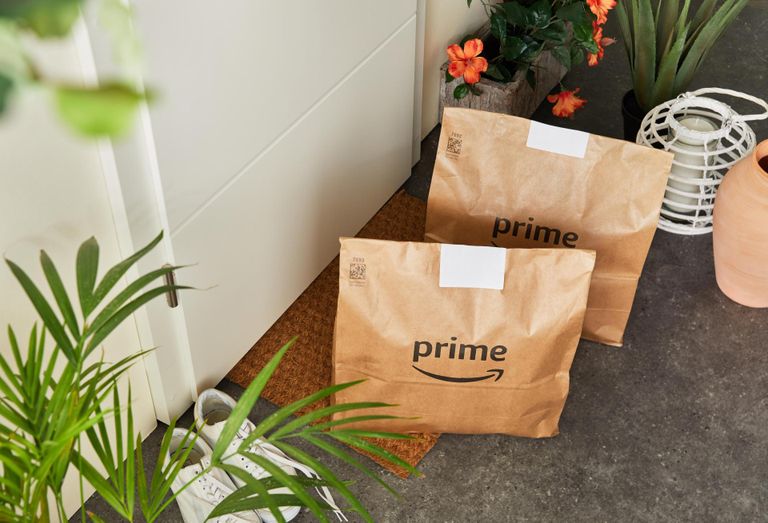
The online retailer is planning to use its same-day fulfillment centers for delivery of perishable groceries and pharmacy goods, CEO Andy Jassy wrote in a letter to shareholders this week.
The company has 58 of these same-day delivery sites in the largest metropolitan areas in the U.S., allowing it to assemble and ship customer orders in as little as 11 minutes, Jassy wrote.
“The experience has been so positive for customers that we’re planning to double the number of these facilities,” he said in the letter.
A service like this would allow customers to purchase perishable groceries like milk and eggs, or medicines like antibiotics or throat lozenges. Same-day delivery could eventually be completed by drones, Jassy said.
Amazon has already piloted its drone delivery service for medication in locations like College Station, Texas, CoStar reported. It has since expanded same-day prescription drug delivery services to New York City and Los Angeles and plans to add around a dozen more cities this year.
The latest plan for physical stores is part of Amazon’s search for its fourth pillar of growth — following its cloud computing business, Amazon Web Services, its subscription service, Prime, and its online marketplace, Jassy said in the letter.
The e-commerce goliath has spent years trying to expand into grocery and pharmacy businesses. Amazon, which owns Whole Foods, had roughly a 3% share of the U.S. grocery market almost a year ago, with rivals Walmart and Kroger dwarfing the online marketplace’s selection of grocery offerings, The Wall Street Journal reported.
It announced in early 2023 that it would pause the expansion of Amazon Fresh, its brick-and-mortar grocery concept, citing leasing costs. But by the end of last year, Amazon said it was once again expanding its brick-and-mortar offerings, following multiple store redesigns and new offerings like coffee and doughnut stations.
Earlier this year, Amazon announced that it would open smaller Whole Foods stores, ranging from 7K SF to 14K SF, as part of a pit stop-style grocery model that would allow customers to drop by for one or two items.
“The introduction of home delivery has changed customers’ mentality,” Christina Minardi, Whole Foods Market executive vice president of growth and development, previously told Bloomberg. “People want things fast.”