The cost of materials used by the construction industry jumped in January at their fastest monthly pace in two years as contractors raced to secure products before President Donald Trump imposed sweeping tariffs on imports from Canada, Mexico and China.
Overall construction input prices rose 1.4% in January from December, a more than 40% increase since February 2020, according to a report by the Associated Builders and Contractors, which analyzed the U.S. Bureau of Labor Statistics Producer Price Index report released Thursday.
Average material inputs to all facets of the construction industry, including commercial, multifamily, industrial and healthcare — rose less than 1.2% year-over-year, demonstrating how prices have risen faster in recent months.
The price was largely driven by a nearly 15% jump in crude petroleum, a 13.7% rise in natural gas prices and a 13% increase in unprocessed energy material prices, or basic materials used to produce energy and energy products.
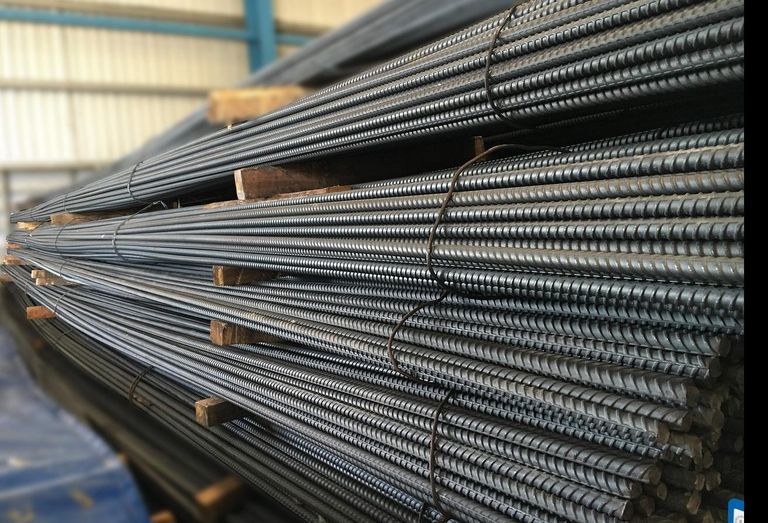
Outside of fuel, hot-rolled steel bars, plates and structural shapes saw the largest monthly price jump by more than 10%.
Construction material producers typically raise their prices at the start of the year, but many contractors rushed to buy those ingredients before Trump’s tariffs went into effect, ABC Chief Economist Anirban Basu said in the report. A majority of contractors surveyed by the ABC earlier this month expect to raise prices as they face a backlog of projects and material costs could go up further as Trump appears willing to wage a global trade war.
Basu said energy costs, typical January price increases and tariffs were the main drivers behind the jump in material prices.
“Of these three factors, tariffs are the only one that could continue to push input prices higher in the coming months,” Basu said in a statement. “Import taxes allow domestic producers to raise their prices, and the new 25% levies on steel and aluminum will result in just that if they remain in place.”
Earlier this week, Trump ordered 25% tariffs on all steel and aluminum entering the U.S., which are slated to start in March. Trump proposed 25% tariffs on goods from Mexico and Canada earlier this year but paused those for 30 days on Feb. 3 as he continued negotiating with both countries. Trump’s 10% tariffs on Chinese imports went into effect on Feb. 4, although soon after, he paused placing levies on small-package goods imported from China and Hong Kong.
On Thursday, Trump announced he would institute reciprocal tariffs on the European Union, India and Japan.
Critics of Trump’s economic policy say his plan to enact tariffs to encourage more domestic consumption will likely feed inflation. On Wednesday, the BLS said consumer prices jumped 3% year-over-year in January, with a half-point increase in December – the fastest pace of increase since August 2023.
Inflation heating up again has dimmed hopes that the Federal Reserve will continue cutting interest rates this year.