
Executives from top tech companies gathered at the White House on Wednesday and committed to paying the electricity bill for the artificial intelligence revolution.
Amazon, Google, Meta, Microsoft, OpenAI, Oracle and xAI signed the Ratepayer Protection Pledge, which President Donald Trump said during a press conference would help Americans avoid paying the cost to build out energy infrastructure to support AI’s broad adoption.
“President Trump is calling on the leading United States hyperscalers and AI companies to build, bring, or buy all of the energy needed for building and operating data centers, paying the full cost of their energy and infrastructure, no matter what,” the White House said in a news release.
The immediate impacts of the pledge are unclear, with one analyst predicting it could lead to development bottlenecks and another pointing out that the White House has limited reach regarding utilities operations.
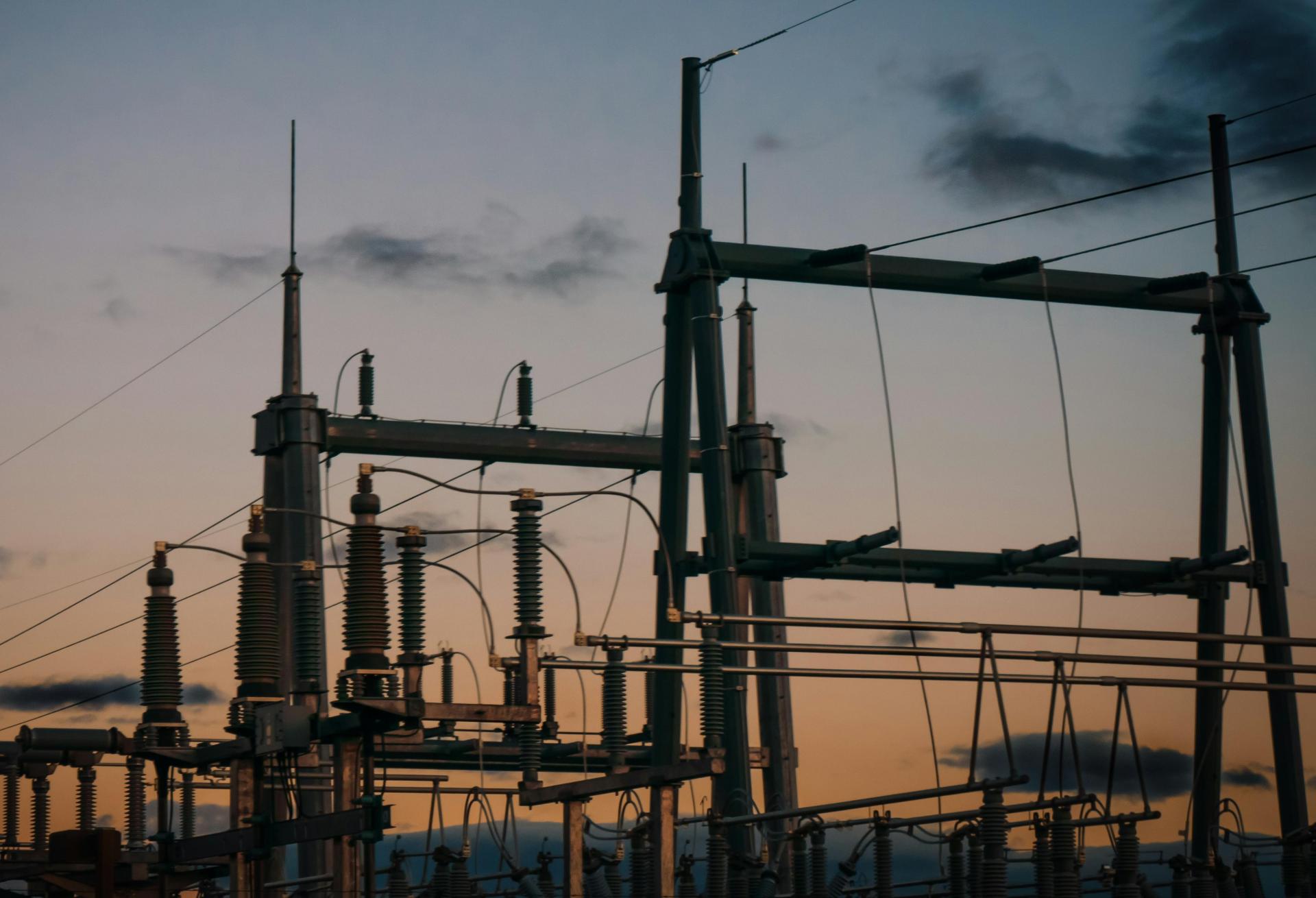
The tech giants committed to funding the construction of any new energy infrastructure or upgrades to existing power plants or transmission lines for their data centers.
The pledge also calls on companies to voluntarily negotiate separate rate payment structures with local utilities that include provisions to pay for power commitments even if the energy isn’t used by the data center. The tech firms also pledged to hire local talent and coordinate with grid operators to “contribute to a more reliable grid.”
Trump said during the event that data centers “need some PR help.”
“People think that if a data center goes in, their electricity prices are going to go up, and that’s not happening,” he said. “It’s not going to happen, and for the areas where it did happen, won’t happen anymore.”
The firms that signed the pledge Wednesday released statements reiterating their goals to build AI infrastructure that benefits communities.
Elon Musk’s xAI said in a statement posted to the billionaire's social media platform that it was committed to making lives better for Americans in addition to adding more power to its properties.
xAI is committed to deploying artificial intelligence that makes the lives of people better as well as adding more power near our datacenters to reduce the cost of energy for the American people https://t.co/J5dZ2jKFmc
— xAI (@xai) March 4, 2026
Amazon said it was proud to sign the pledge, which it said established “an important baseline that will protect ratepayers and enable responsible, long-term energy partnerships.”
Executives from Google and Meta made similar comments at a White House event Wednesday.
“While this initiative alleviates a major headache from the Trump administration heading into a critical mid-term election cycle, this creates a significant bottleneck with big tech organizations,” said Dan Ives, the global head of technology research at Wedbush.
But the pledge doesn’t include any binding commitments or enforcement mechanisms. Rob Gramlich, a former economic adviser to the Federal Energy Regulatory Commission, told CNBC the country’s decentralized power grid meant Trump had very little leverage to dictate electricity rates from Washington, D.C.
“The White House can’t do that on its own,” he said. “It doesn’t have any jurisdiction there, and of course, the technology companies can’t do that on their own either.”
Data center development is a growing political pain point as the explosive need for computing power has begun to encroach on neighborhoods. Some residents close to proposed development sites have concerns over noise pollution, while those farther away worry that power-hungry data centers will drive up their energy bills.
Municipal and state governments have passed or are considering a patchwork of legislation pushing back against development in some places, and data center developers are spending more time trying to win over would-be neighbors.
McKinsey estimates that $7T will need to be spent globally building and powering data centers by 2030 to keep up with demand.
)
)
)
)
)
)
)
)
)
)
)
)