Restaurant owners have new leverage as the sector drives greater Philadelphia retail leasing, and many are using it to steer away from common lease fixtures, which they see as the “most expensive rent.”
Tenant improvement deals and percentage rent agreements can be an easy way for landlords to squeeze extra profit out of a restaurant, but many operators in the space have caught on, panelists said during Bisnow’s Philadelphia Restaurant, Retail and Entertainment Summit earlier this month at the Moshulu.
“We will not even really look at a deal with a percentage rent component,” said Seeded Capital Partners partner Brian Harrington, whose firm is behind PopUp Bagels and City Tap House.
“We have so many variables in our business right now that occupancy cost needs to be a fixed number that we can forecast.”
Those arrangements became commonplace in the wake of the pandemic, as landlords and restaurant owners navigated a cataclysmic drop in business that left many tenants unable to pay their rent.
Six years on, food businesses have recovered, and their operators are looking for ways to preserve their newfound profits. This means TI arrangements have become unattractive as well.
“We used to also take TI, and we don't even ask for TI anymore. TI to me is like the most expensive rent that you'll ever pay,” Harrington said.
“There's no actuary or data analytics guy in a real estate firm that's going to say, give them $200K, $300K and don't get it back plus 25% in the rent over 10 years, and so we'd rather spend our own money and build out the space and have as many fixed items on our [profit and loss] as possible.”
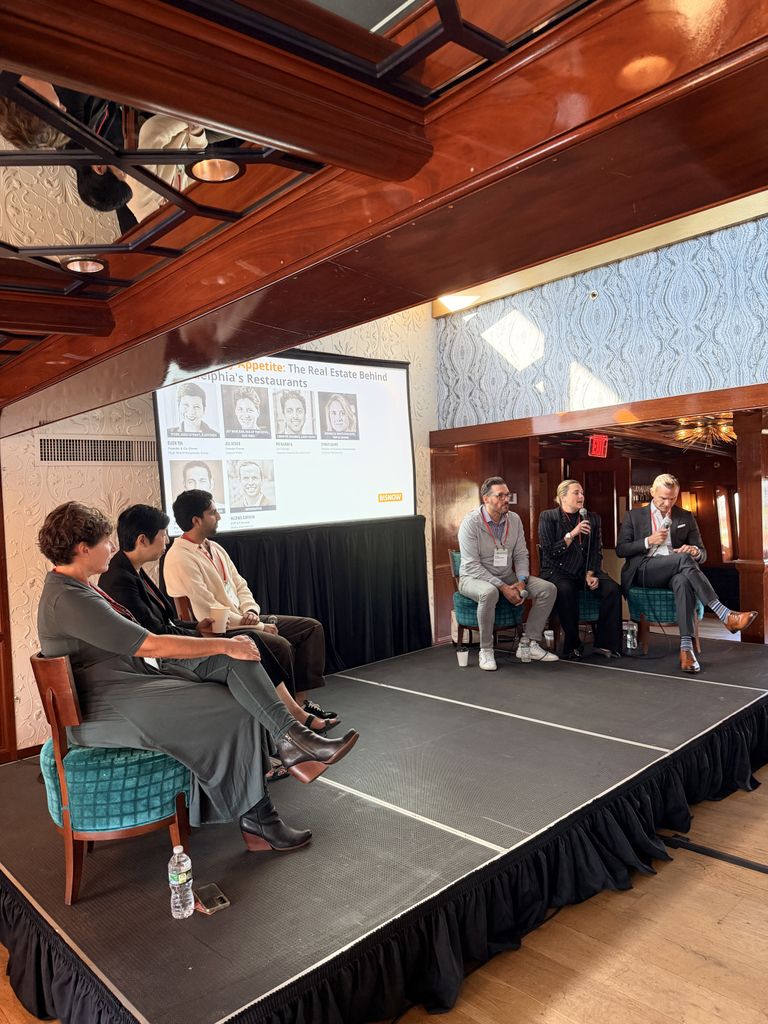
Retail in greater Philly has bounced back from the drubbing it took during the pandemic, and restaurants are a big part of that story.
Center City District found in April that the retail storefronts in its territory were 84.4% occupied compared to the 2020 trough of 54%. Food and beverage businesses made up 38% of the occupants compared to 33% for service providers and 29% for retailers.
There are 60 new restaurants slated to open across the metro area this fall, according to CBRE’s third-quarter 2026 retail report.
It attributed much of the energy to chicken and bagel concepts, including Raising Cane’s and Jeff’s Bagel Run.
The brokerage’s notable leases list included the 7K SF upcoming location of Atlas Restaurant Group’s Ruxton steakhouse at 210 W. Rittenhouse Square, which is set to open next year, and the espresso- and wine-centric Bar Cicci’s 5K SF lease at 1620 Sansom St.
With the balance of power between restaurant owners and landlords appearing to balance out, savvy operators with leverage are protecting their wallets.
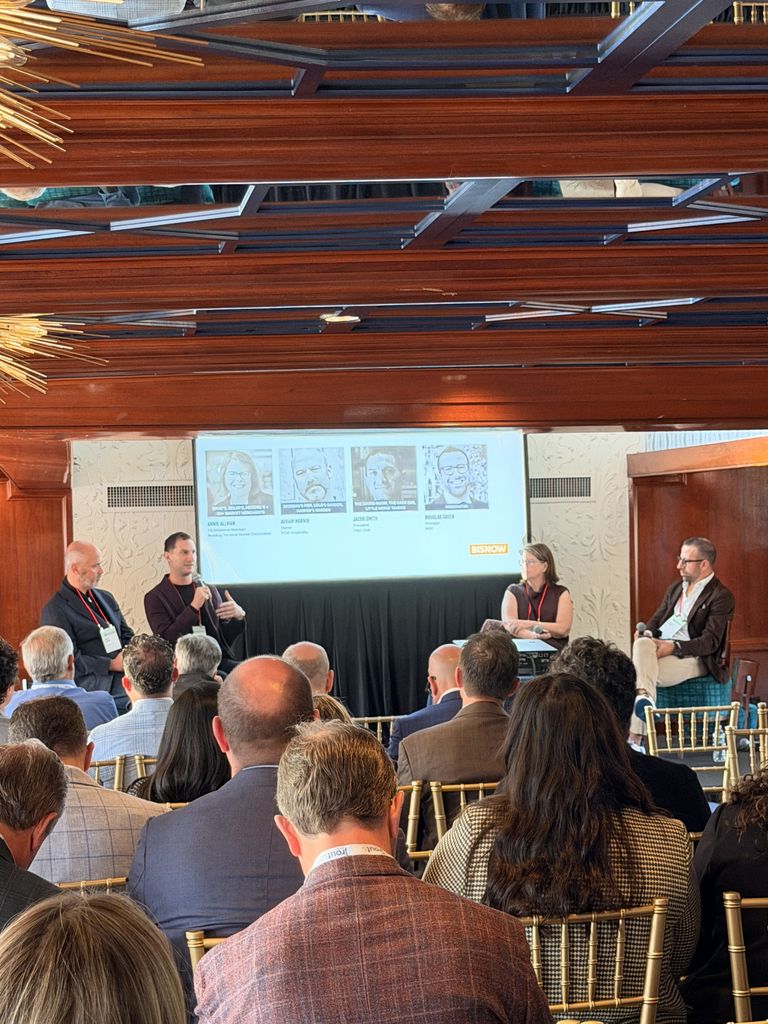
Libertee Ground and Lucky Duck co-founder Pri Rambhia said none of his food businesses have TI or percentage rent agreements in place.
“I don't want the landlord running away with a home run because I got it there,” he said.
Fearless Restaurants Director of Business Development Sydney Grims said her company has direct experience with that kind of outcome.
The company opened the White Dog in Wayne in 2008 and signed a percentage rent deal that remains in place to this day.
“We didn't necessarily think we would be there 20 years down the road, and you can imagine how that has just escalated over time,” Grims said.
One of Fearless’ newer projects is the Triple Crown at the Radnor Hotel, a $15M investment including a 200-seat restaurant that’s part of a larger event space with capacity for 1,500 people.
The property is owned by Steve Bajus, who also rents several other properties to Fearless.
Grims said the relationship created an opportunity for a more conservative percentage rent agreement.
“He saw the value in bringing us in, and he takes really a small percentage off the top of sales, which has really encouraged him to also help reinvest in his own property,” she said.