Philadelphia’s bar curfew will be extended temporarily this summer, and the city’s nightlife czar is taking longer-term steps to better align the sector with the real estate industry.
State law prohibits bars in Philly and across Pennsylvania from serving drinks after 2 a.m. That curfew will be extended until 4 a.m. for a 40-day window between June 11 and July 20 to accommodate patrons visiting the city for the World Cup and the nation’s 250th anniversary.
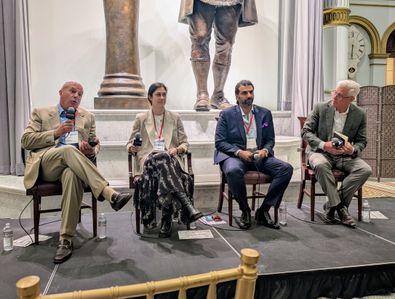
“We’re preparing to make sure we do this right,” Philadelphia Night Time Economy and Business Development Director Raheem Manning said during a wide-ranging talk Thursday hosted by the Design Advocacy Group.
“We have the world here,” he added. “We’re going to have people here for matches that are on six-, eight- or nine-hour time differences.”
:no_upscale():quality(75))
While the nightlife boom this summer will be temporary, Manning said his work as Philly’s “night mayor” has led to some more durable changes for the sector. That includes updates to the definition of a nightclub in the city’s zoning code.
Until December 2023 — about a year and a half after Manning was appointed to the position — any Philly restaurant that added live music technically became a nightclub, which meant business owners faced new regulations and potentially enforcement and fines from the city.
“They needed a license or zoning, and sometimes that zoning wasn’t allowed in the place you were,” Manning said.
The updated ordinance means a Rittenhouse Square restaurant can now have a piano player for its dinner patrons, even though the neighborhood isn’t zoned for nightclubs.
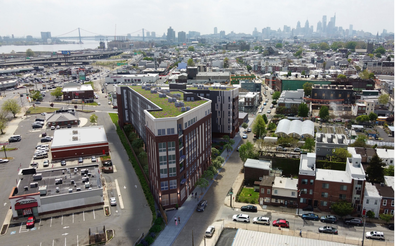
Philly is particularly dense for a U.S. city, and many of its liveliest nightlife destinations are just a stone’s throw from people’s homes. Residential and nightlife uses are becoming even more closely entwined with the newest wave of development.
Manning cited Kung Fu Necktie and Johnny Brenda’s in Fishtown as examples of longstanding cultural anchors that sparked the ongoing multifamily development boom in the previously postindustrial neighborhood.
He is working on even more ambitious zoning updates for Philly nightlife uses so those types of cultural venues that bring new attention to underutilized neighborhoods don’t get pushed out when their blocks are redeveloped.
Philadelphia Metropolitan Board of Realtist Vice President Anastasia Dawan lives in Point Breeze, which has become another hot residential destination in recent years.
Her home is near what was once a lively nightclub, but she said the business didn’t survive complaints filed by a new resident.
“One of our neighbors got them kicked off the block,” Dawan said at the DAG event.
Manning is pursuing an “agent of change” zoning ordinance in Philly that may have protected the nightclub.
:no_upscale():quality(75))
If a policy like this were to go into effect, the party introducing a new land use to the neighborhood would be responsible for mitigating any potential impacts they might face from existing businesses.
So if new apartments were proposed near an existing nightclub, it would be the developer’s responsibility to soundproof their multifamily building, not the business owner’s responsibility to keep the noise down.
“We don’t put the onus on the venue to change,” Manning said when explaining policies like this, which have been implemented in some European cities. “We put it on the new person.”
But in the meantime, a major part of his job is mediating noise-related disputes between these businesses and their neighbors. The process can get “contentious,” Manning said.
This responsibility often requires the night mayor to push back against residents, something he said elected officials often shy away from.
“How can we protect businesses so they aren’t unfairly targeted? They’ve got a right to exist as well,” Manning said.
Dawan also wanted to know if there was anything real estate professionals could do to defuse this type of tension.
Manning said they should be upfront about the nighttime character of a neighborhood, as that isn’t always obvious to a prospective transplant when they visit during the day.
“The best you can do is set real expectations,” Manning said. “You moved into a city.”