
The Oakland A's have filed a lawsuit against the California Department of Toxic Substances Control, alleging the state regulatory agency has failed to regulate a West Oakland metal-shredding facility operated by Schnitzer Steel.
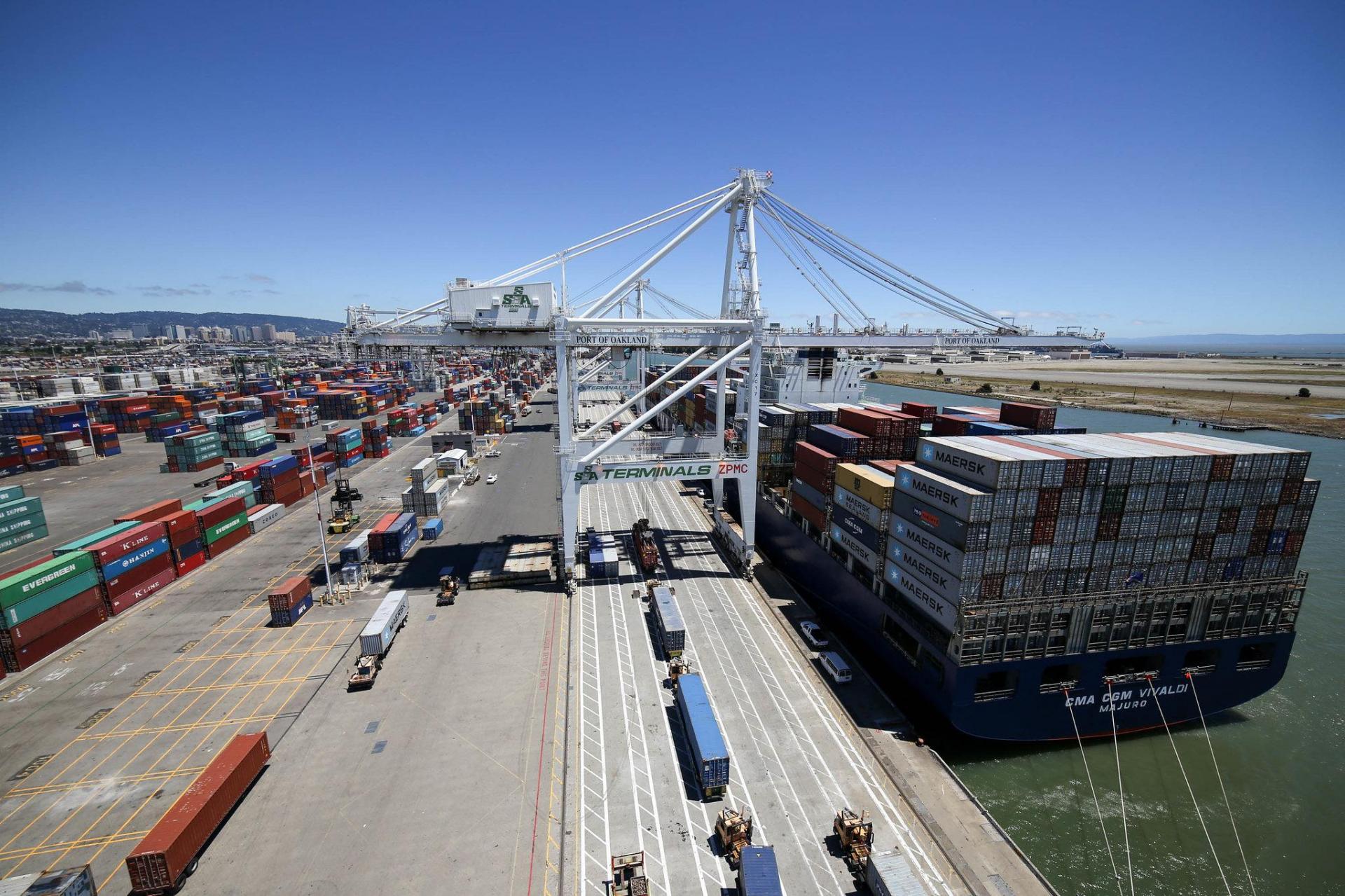
In the lawsuit, filed Wednesday in Alameda County Superior Court, the A's allege that the DTSC hasn't enforced proper regulatory standards on pollution by Schnitzer Steel at its facility, which, at 1101 Embarcadero West, is next to the A's controversial proposed Howard Terminal ballpark site.
In addition to a 35,000-seat ballpark, the A's have plans for up to 1.77M SF of commercial development and 3,000 residential units for their ballpark-anchored project, which would also include a hotel with about 400 rooms.
In a series of tweets announcing the lawsuit, Oakland A's President Dave Kaval said the DTSC has exempted Schnitzer from full environmental regulation for 30 years and that five fires since 2018 have been caused by toxic materials emitted by Schnitzer's facility.
7/16 This morning, the A’s filed a lawsuit in Alameda County Superior Court against the @CaliforniaDTSC for their failure to impose & enforce environmental law in West Oakland against #SchnitzerSteel, the largest metal shredding facility in the state.
— Dave Kaval (@DaveKaval) August 5, 2020
https://t.co/TYcPVvxT7n
"We want our ballpark project to be a catalyst for environmental justice in West Oakland," Kaval wrote. "We'll fight this fight regardless of what happens with the ballpark. This is bigger than baseball."
The A's lawsuit naming Schnitzer is the latest chapter in a quest for a ballpark complicated by vehement business and labor opposition, the chosen site's long industrial past and now the coronavirus pandemic, which has potentially dashed hopes of a 2023 ballpark opening.
It closely follows another lawsuit filed in March over the team's plans to use a streamlined environmental review of the ballpark project. That lawsuit was filed by Schnitzer Steel as well as the Pacific Merchant Shipping Association, the Harbor Trucking Association and the California Trucking Association.
Schnitzer Steel Director of Public Affairs Colin Kelly said in a statement that the lawsuit represents "an attempt by the A’s to distract from the lack of information and accountability they have demonstrated in their planning for a commercial real estate development at the working waterfront."
Representatives for the DTSC didn't immediately respond to a request for comment.
“The Oakland A’s’ attack on the Department of Toxic Substances Control and Schnitzer Steel is nothing more than an acceleration of the A’s efforts to dismantle the Port of Oakland to make room for their waterfront stadium and luxury housing development," Kelly said.
"The men and women that work at the Port have been clear that the A’s plan is incompatible with their work and will put at risk many of the last high-paying, blue-collar jobs held by local Black residents in Oakland."
Contact Dean Boerner at dean.boerner@bisnow.com.
)
)
)
)
)
)
)
)
)
)
)
)