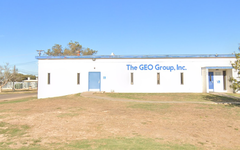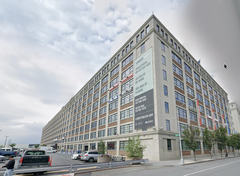
Ontario's Auditor General has taken aim at the province’s 812 vacant government buildings, which she concluded are in deteriorating condition and cost taxpayers $18.9M a year to maintain.
In her annual report on government waste, Auditor General Bonnie Lysyk wrote she was concerned at the slow pace of the government’s efforts to dispose of these unused properties.
Infrastructure Ontario, which manages the properties, has plans in place to sell 80% of the unused properties, but has sold only 144 properties in the last five years, and only 25 in 2016-17, according to the report.
The sales generated $229M for the province.
“We found that about 600 of the 812 buildings had been vacant for an average of almost eight years. For the other 212 buildings, Infrastructure Ontario could not readily determine when the building became vacant,” the report said.
The report concluded Infrastructure Ontario’s management of government properties was affected in part by weaknesses in the Enterprise Realty Service Agreement between Infrastructure Ontario and the Ministry of Infrastructure.
“The agreement does not set out any mandatory, minimum standard of performance for managing the costs of capital projects … and timelines for maintaining the state of government-owned properties to the Agreement’s standard,” it said.
"There are a number of things that slow it down," Infrastructure Minister Bob Chiarelli said in an interview with the CBC.
He said selling unused provincial buildings is not a "clear cut, list it, sell it" process.
"Some of the properties are not desirable," Chiarelli said. "Some of the properties are jails that have closed down, and who wants to buy an old jail?"
When these properties, which can include smaller structures like sheds, warehouses and outbuildings, are declared surplus, the province must give municipalities the right of first refusal to purchase, Chiarelli said. Other times, environmental contamination or heritage status slows the process down.
The Auditor General report also found the province was wasting $174M annually by using too much office space. The government's own target is 180 SF/employee. The province is using 60% more office space than that.
Ontario is the second-largest property owner in the country, behind only the federal government. The province owns 4,838 buildings, with 44M SF of space.