Construction costs of over $700 per SF are one of the several roadblocks making housing construction in San Francisco a continued struggle for developers, according to a recent feasibility study presented to the city’s Board of Supervisors Land Use and Transportation Committee.
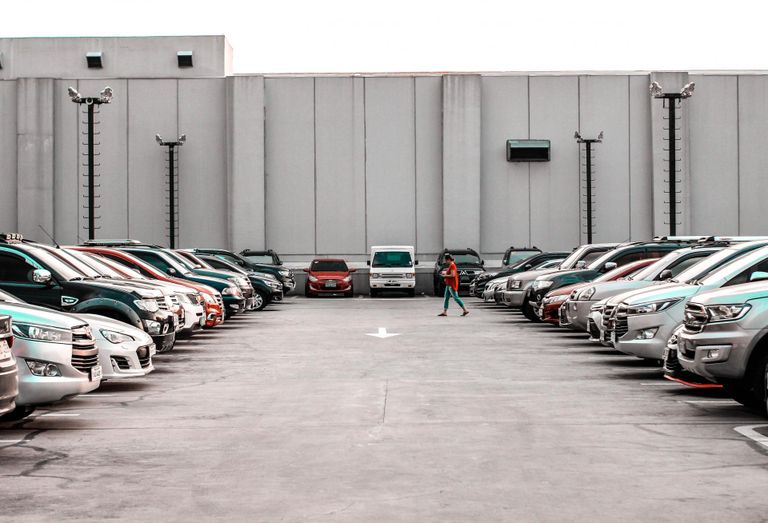
The study analyzed Mayor London Breed’s 2021 “Cars to Casas” ordinance proposal, which aimed to address the city’s housing shortages by converting parcels of land formerly zoned for vehicles into new housing developments.
While the report noted that around 500 parcels of land would be eligible for redevelopment, it also found that costs would ultimately make any new development unlikely to happen at all, The Real Deal reported.
The study was conducted by real estate consulting firm Century Urban, following a request by the Board of Supervisors. The study noted that in 16 hypothetical scenarios, none would result in new housing, due to the financial and economic constraints.
“Since all prototypes analyzed indicated negative per-unit residual values, the evidence indicates that there is not only no revenue available for purchase of land but also that the ordinance does not create surplus value to dedicate to new or increased exactions or other requirements.”
The report did note that in more expensive districts like Marina or Russian Hill, the overall feasibility of construction profitability increased, as those neighborhoods can generally charge higher rent. Housing construction built on a for-sale basis generally fared better in terms of feasibility according to the report, but still suffered.
“While all prototypes were shown infeasible under the cost, regulatory and revenue factors, prototypes for both small and larger lots are much closer to feasibility in pricier neighborhoods given the higher rents and sales prices and consistent costs and requirements in all neighborhoods,” according to the report.
San Francisco has struggled to find a way to streamline its housing development roadblocks, with two competing ballot measures aimed at easing the problem both failing at the polls this past election.
The measure must pass out of the committee and be approved by the Board of Supervisors to go into effect, but has stalled repeatedly since its introduction last year.