A historic survey has shed light on the prevalence of illegal evictions in Philadelphia for the first time.
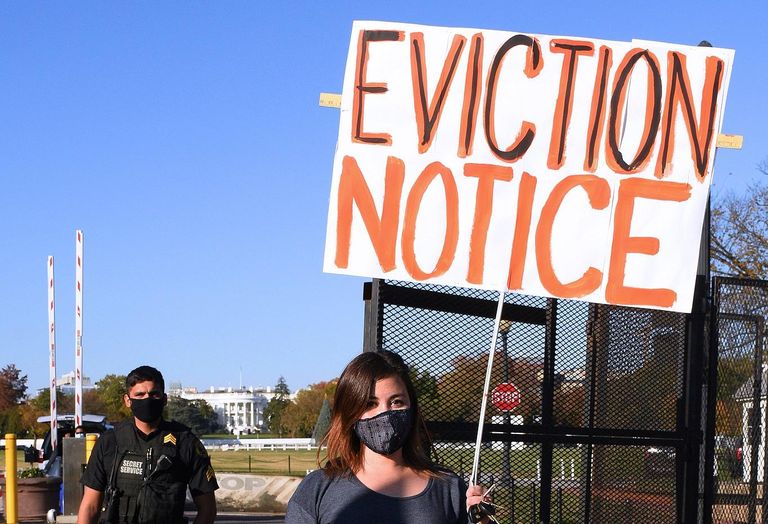
As many as 20,000 illegal evictions could be carried out in a given year in Philadelphia, and illegal evictions grew in prevalence during the pandemic, according to a survey of 6,000 predominantly low-income renters conducted between April of last year and the middle of this year by a partnership of Community Legal Services of Philadelphia, the local legal aid organization, and the Housing Institute at Penn.
Even in the 12 months before the pandemic hit in March 2020, nearly 7% of the survey's respondents reported being evicted illegally, while just over 7% reported being evicted through the legal process.
Once the pandemic struck, the percentage of respondents who reported moving due to an eviction, through a lease termination or other official notice dropped, while the percentage of tenants who moved because they were illegally locked out, forced to move by other means or harassed with the threat of eviction all rose significantly.
The number of legal evictions would be expected to drop during a period when eviction moratoriums paused the official process for months. Philly's Eviction Diversion Program also began requiring landlords who sought to evict their tenants to go through a months-long mediation process.
But the illegal evictions rising to compensate speaks to the problem of nonpayment of rent, which a majority of respondents who were evicted by legal or illegal means cited as the cause.
Philadelphia was held up by the U.S. Department of Housing and Urban Development as an exemplar of getting Emergency Rental Assistance payments to tenants. Even so, the Philadelphia Housing Development Corp. ran out of money with thousands of applications still awaiting review.
Though the city of Philadelphia's budget for fiscal year 2023 includes $15M to fund the PHDC's rental assistance distribution efforts, it is dwarfed by the $260M Philly received through federal stimulus bills.
Of the study's 6,000 respondents, two-thirds participated through a survey embedded in PHDC's application for ERA payouts, while the rest were recruited by a group of community organizations working to help supply CLS with data. As a result, the majority of participants are considered low-income relative to Philly's median household. Nearly 60% of those respondents are currently behind on rent, owing an average of about $2,700.