New Yorkers voted in favor of all five ballot measures in the 2026 midterm elections, four of which will likely benefit the commercial real estate industry in incremental ways.
The changes will make it easier for restaurants to set up outdoor dining sheds, simplify the city government’s processes for leasing and selling land, reform its procurement system, and streamline permitting processes at the New York City Department of Buildings.
While none of the ballot measures are immediately groundbreaking for the commercial real estate industry, they indicate that New Yorkers recognize how bureaucracy is delaying progress, Joy Construction principal Eli Weiss told Bisnow Wednesday morning.
“We have a city charter that was written decades ago, and these ballot measures are put into place in order to try to improve the functionality of a city,” he said. “That's a great thing.”
Ballot Proposal No. 1: Public Space Uses
The city’s system for giving out permits to businesses for using public space on sidewalks and streets is about to get an overhaul.
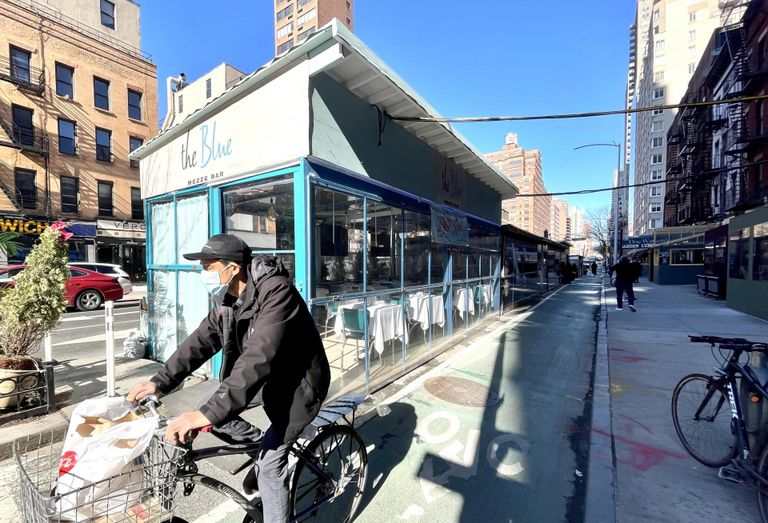
Permits are required for outdoor structures including benches, ramps and bus shelters, in addition to dining sheds and sidewalk cafés.
The changes in this measure include making public hearings optional and eliminating a prior requirement that applicants publish newspaper ads before a hearing.
That will likely be welcome news for restaurant and café owners and their landlords, who have been struggling with red tape and delays. A report from the NYC Comptroller’s Office in late October found that the permitting process is so slow that more than half of the restaurants that applied to the Dining Out NYC program had waited in excess of 19 months for approvals.
Mayor Zohran Mamdani’s Commission on Government Efficiency estimated that the changes will cut the process down to two months, City & State New York previously reported.
The verdict will boost opportunities for small businesses to offer outdoor dining and create jobs, NYC Hospitality Alliance Executive Director Andrew Rigie said in a statement, but the ballot measure won’t accomplish much without additional political support.
“Streamlining the outdoor dining process, improving operational efficiencies, and additional regulatory reforms advanced by the Mayor and City Council will be essential to creating a more small-business-friendly outdoor dining program,” he said.
Ballot Proposal No. 2: City Contracting Procurement Process
Voters also signed off on a measure that changes the city’s external contracting system, which COGE estimates will chop 12% off procurement timelines for everything from construction projects to shelter contracts.
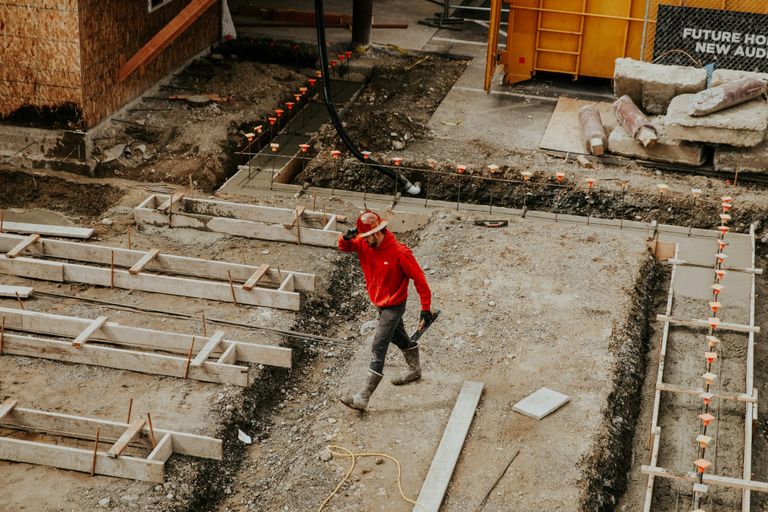
First, top agency officials can sign off on some contracts worth more than $5M rather than that responsibility falling solely to the mayor, City & State reported. Contractors applying for awards will also have a simpler questionnaire to fill out when throwing their hats in the ring.
The measure also mandates that the Procurement Policy Board, the five-member body in charge of defining procurement rules for the city government, meets every three months, as opposed to never being required to meet.
The median time the city takes to award public works contracts is 387 days, according to September reporting from The City Reporter.
The measure may not have a huge impact, Tal Roded, a data scientist and member of Manhattan Community Board 3, told the local news outlet at the time.
“There’s no one change that could be made that will magically unlock city contracting timelines,” Roded said. “But I think only shaving 30 days off when it’s as long as it is really shows there’s a lot more work to be done.”
Ballot Proposal No. 3: Fast-Tracking Land Deals, Street Safety Improvements
This measure should simplify some of the ways the city makes real estate decisions, thanks to New Yorkers voting yes on the proposal.
One of the changes introduced means the City Planning Commission will now be in charge of reviewing unused city property so that the city can permanently sell small, undevelopable lots to adjacent property owners.
Previously, those properties were subject to an auction process and approval from the city council. The changes could bring the time down from an average of seven months to around 90 days, COGE estimated.
The next part concerns the process the Department of Citywide Administrative Services has to go through when leasing space for city agencies. It removes the need for the City Planning Commission to hold hearings and vote on potential agreements, and it nixes the city council’s ability to override office acquisitions.
Another change slims down the review procedures for infrastructure, including bike and bus lanes, potentially meaning less wait time for street improvements.
Ballot Proposal No. 4: Making DOB Permitting Simpler
Instead of filing applications for construction work with multiple agencies, developers will now be able to go through a single, centralized hub run by the Department of Buildings.
Under the current system, developers have to get around 40 construction approvals from 18 separate agencies and offices.
The agencies that developers have to interact with include the Department of Environmental Protection, the New York Fire Department and the Department of Transportation. Those agencies will have to collaborate with the DOB to create the centralized system.
The measure also gives the DOB domain over permits for the city’s waterfront properties, which has been the Department of Small Business Services’ responsibility until now
Additionally, the proposal represents a change to an organizational structure put in place by the 1936 charter. Previously, three officials per borough had sign-off rights for reviewing and issuing permits, conducting inspections, approving temporary certificates of occupancy and enforcing construction and zoning resolutions, according to City & State.
Now, thanks to voters passing the measure, the DOB commissioner can delegate some of that responsibility to senior officials from the agency.
The changes aren’t huge policy shifts, Weiss said, but they underline the city’s efforts to catch its rules up to the modern world.
“You're talking about a system that existed probably preinternet,” he said. “Any sort of modernization will only speed up and accelerate positive change.”