High-quality amenities can significantly impact an office building’s occupancy and get tenants to pay a premium, with roof terraces and other outdoor spaces leading the enhancement pack, according to a new report that attempts to quantify which features are most profitable for building owners.
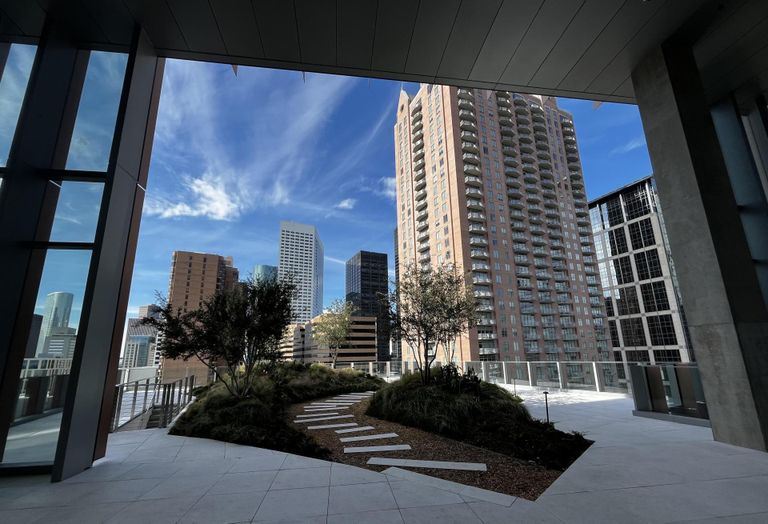
The pandemic set off an amenities arms race as remote and hybrid work moved from necessity to new reality and occupiers began to shed space. But not all amenities are created equal, according to the report authored by JLL.
Buildings with a roof or sky terrace garner a 5.2% rent premium compared to Class-A buildings in the same submarket. Other top-ranking amenities include a courtyard with outdoor seating, which carries a 3.5% rent premium, and being LEED certified, which offers a 2.8% rent boost.
The quality and differentiation of the amenities are primary drivers of rent premiums, the report states. For example, buildings that have just a fitness center generate a 0.5% rent premium over peer assets, yet fitness centers with shower facilities carry a 2.9% rent premium. The same is true for a restaurant versus a food hall, which have 0.1% and 1.4% rent premiums, respectively.
Amenities are also driving up occupancy, according to the report. Highly amenitized buildings, defined as assets with 10 or more tagged amenities and at least one differentiated offering like a roof terrace or full-service fitness center, have gained 23.3M SF of absorption since the onset of the pandemic, as other urban Class-A product lost more than 50M SF of occupancy.
That trend isn't going away soon, Bill Elder, head of leasing for New York City-based office owner RXR, told Bisnow earlier this month, pointing to a $300M renovation at 5 Times Square that includes a 32K SF tenant amenities space, including a golf simulator, multiple lounges and a gym with a spa-level changing room, steam rooms and massage rooms.
“The bifurcation will continue,” Elder said.
Buildings with enhanced gathering spaces and wellness promotion have performed particularly well since the onset of the pandemic, JLL said in its report.
Yet amenities alone won’t do all the work of increasing occupancy and hiking rents, according to a CoStar analysis, which cites location, building age and proximity to public transportation as major contributing factors as well.
There are also more tenants looking to decrease their office space than those looking to expand, CoStar noted, adding that the national vacancy rate has hit a record 14% while new leasing activity remains 15% below pre-pandemic levels.
Get insights on the latest office developments, tenant demands, standout amenities, adaptive reuse and more at our local Office Outlook events.