E-commerce growth is driving the demand for warehouse space so strongly that the U.S. will need 330M SF of new space by 2025 just to keep up with online retail, according to a new CBRE report. The brokerage predicts there will need to be 1.5B SF of new warehouse space globally over the next four years.
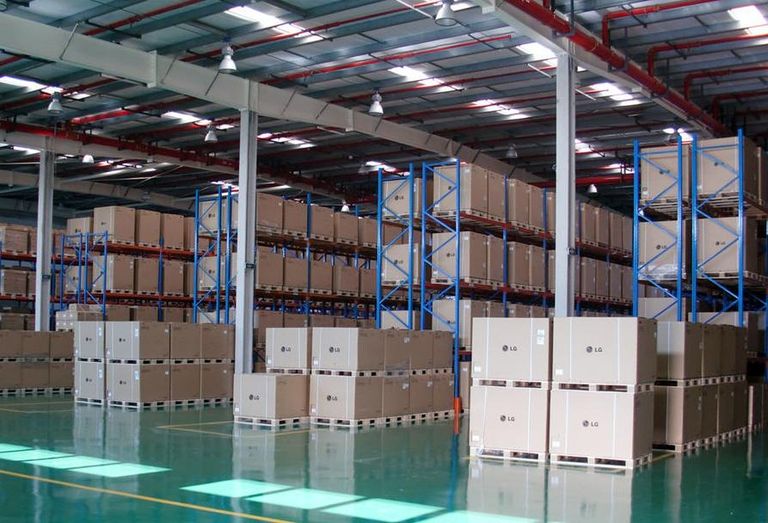
The challenge for the industry will be to keep up with that demand, which is expected to grow regardless of the future course of the coronavirus pandemic, which is still raging in many places. CBRE predicts continued higher e-commerce penetration in many markets worldwide, including the U.S., with each additional $1B in online sales requiring 1M SF of new distribution space to support it.
“While there is a sizable construction pipeline in the U.S., much of that new space already is leased to meet the demand of the past few years,” James Breeze, global head of industrial and logistics research for CBRE, told Supply & Demand Chain Executive. “Moving forward, the challenge in many U.S. and global markets will be to produce enough new facilities to meet this rapidly expanding market.”
The coronavirus pandemic has helped push e-commerce sales to new highs but isn’t the only reason online retail is growing, CBRE says in its Global E-Commerce Outlook.
Rather, e-commerce has been on a growth trajectory worldwide over the past five years, up from 8% of total global retail sales in 2015 ($1 trillion) to 18% in 2020 ($2.4 trillion) as consumers have familiarized themselves with the new tech.
The report predicts that e-commerce sales in the U.S. will increase to 26% of retail transactions by 2025, up from around 21% in 2020.
Key factors in pushing e-commerce growth include high population density and growth in urban areas, increasing digital skills among populations worldwide, higher credit and debit card usage, and better transport infrastructure, CBRE notes.
Though the U.S. and China are the largest e-commerce markets in the world, accounting for 57% of all internet-based sales as of 2020, other nations have much higher e-commerce penetration rates. More than 35% of all retail sales in South Korea, for example, are now online, up from about 16% in 2015.
E-commerce sales in China are now over 25% of the total, and the U.K. is over 20%, just ahead of Indonesia, the U.S. and the Netherlands by that metric.