The carried interest loophole has been threatened for what seems like nearly as long as it has been in the tax code, but that threat became much more real this week.
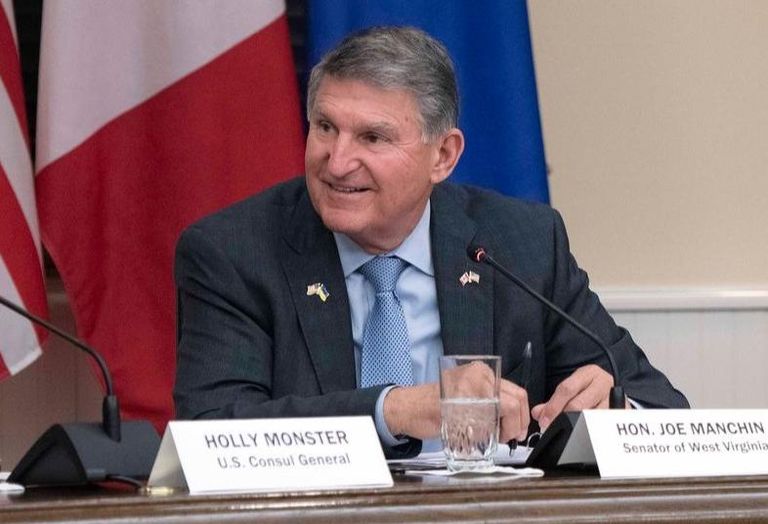
On Wednesday afternoon, Senate Majority Leader Chuck Schumer and Sen. Joe Manchin announced an agreement on what they are calling the Inflation Reduction Act of 2022, which aims to fund both a raft of climate policies and a small cut into the national deficit with a series of tax code changes, including the reclassification of carried interest as income and not capital gains.
Carried interest, the share of an investment fund's profits used to pay its decision-makers, is a major source of income for private equity firms and real estate developers that raise outside equity. Since the IRS instituted the carried interest policy in 1993, it has been taxed at a maximum 23.8% rate for capital gains, whereas the federal income tax level for the highest earners sits at 37%.
Closing the loophole would generate $14B in revenue, which would be a relatively small piece of the $739B the Inflation Reduction Act would generate, according to a summary released by Schumer and Manchin with the announcement. By comparison, introducing a 15% minimum tax on companies with revenues greater than $1B is estimated to generate $313B. That tax is meant to avoid corporate giants using tax credits and depreciation to pay a lower effective rate than individual households.
Though the announcement was met with statements of support from President Joe Biden and House Speaker Nancy Pelosi, the bill was negotiated without Sen. Kyrsten Sinema, who has been the other Democrat along with Manchin standing in the way of several major bills due to their potential impact on corporate interests, Axios reports.
Sinema has yet to review the full bill, and obtaining her approval, passing the Senate and eventually the House will each present opportunities for changes to be made. The deep-pocketed private equity and real estate industries will likely apply significant pressure through lobbying to once again spare carried interest at the eleventh hour, Axios reports.