The competition for opportunities in the country’s major markets can resemble bloodsport, especially as land in highly desirable submarkets becomes scarce and investors with money to burn raise the bids for marquee assets. Forward-thinking developers and investors are getting an edge on their competitors by checking prime opportunities in secondary and tertiary markets.
Inland Real Estate Investment EVP JoAnn McGuinness (right, with mother Helen Kwak) says that’s exactly what’s happening across the country in the retail and multifamily sectors. A growing number of investors are looking at housing growth in secondary markets and are simply following the rooftops to opportunity. They’re able to predict growth in these markets and give anchor retailers, like supermarkets and national brands, advantages to securing prime locations. Affordability is another factor. Land values in these markets are cheaper, allowing developers to assemble various sites for ground-up retail and multifamily projects.
On the multifamily side, JoAnn sees untapped potential for Class-A multifamily development in B markets, as there’s room for growth in rents and occupancy rates because of population growth, and these developments are providing higher yields than in primary markets. JoAnn says Inland sees more capital fluidity with secondary market multifamily developments.
Retail is less likely to happen in secondary markets because investors have concerns about retail risk, like if a retailer enters a market too soon and the rooftops don’t materialize. Lenders are reluctant to give retail developers the favorable terms enjoyed by their multifamily counterparts. But JoAnn says the demand is driving competition for Class-B and C assets. There are opportunities to add value to these acquisitions on the retail side, so owners are allocating more capital to improving their assets, as leasing continues to be strong.
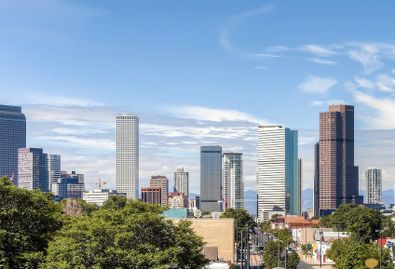
Developers can also cut down on property management costs in secondary markets. JoAnn says larger firms like Inland can pick up some efficiencies and economies of scale by negotiating in bulk on services like landscaping and utility rates. Vendors in markets like Denver can bid on multiple projects, as opposed to one project in one market.
:no_upscale():quality(75))
JoAnn says Inland’s strategy in these markets comes down to micromarket analysis. Example: Inland likes what it sees in Frisco, TX, a market an hour north of Dallas-Ft. Worth. DFW has seen significant growth in recent years, but the population is shifting north as companies relocate. Retail development is following that move, and there are opportunities to build multifamily properties to support the increased worker capacity. Frisco is enabling the growth with infrastructure improvements to accommodate the growing population.
:no_upscale():quality(75))
In some secondary markets, JoAnn observes some renters are willing to travel longer distances to work in urban cores if they can save money on rents. One such market that took her by surprise was Frederick, MD, 90 miles north of Washington, DC. As renters are priced out of the District, they’re finding affordability in Frederick, and transit options like the Metro allow them an alternative to driving to work. The strong rental market hasn’t translated into a rise in condo development, however. JoAnn says homeownership is at its lowest rate in decades because both Millennials and Baby Boomers (the demographics that make up half of the country’s population) are opting to rent because today’s apartments come with condo-quality finishes and modern amenities.