The Trump administration cites restrictive zoning, building codes, impact fees and other regulatory constraints as drains on affordable housing development and threats to U.S. economic growth.
Released by the administration last week, the Council of Economic Advisers’ annual report focuses on 11 metropolitan areas that lack affordability as a result of excessive housing regulations.
Los Angeles, Honolulu and San Francisco in particular experience home price premiums of over 100% because of burdensome regulation, the report states. It based its conclusions on 2018 research by economists Edward Glaeser and Joseph Gyourko.
The handful of areas profiled, which also include the San Diego, Boston and Washington, D.C., metropolitan areas, would see notable drops in homelessness with deregulation, the agency reports. It singles out S.F. and LA as positioned for drops of 54% and 40%, respectively, if regulation were lessened.
“Among 11 particularly supply-constrained metropolitan areas, we estimate that regulatory reform would increase the housing supply and decrease rents enough to reduce homelessness by 31% on average,” the report states.
California has been especially impacted by a lack of housing affordability and homelessness, often attracting criticism from the Trump administration. The state is so impacted that California Gov. Gavin Newsom dedicated almost all of his annual State of the State address earlier this month to initiatives targeting homelessness.
Zoning throughout California and municipal control have been hotly contested topics, with many housing activists arguing for less restrictive zoning and state legislation urging multifamily housing near transit and jobs. A recent bill, SB 50, authored by state Sen. Scott Wiener (D-11th District), would have forced many local governments to allow such development, but it died last month.
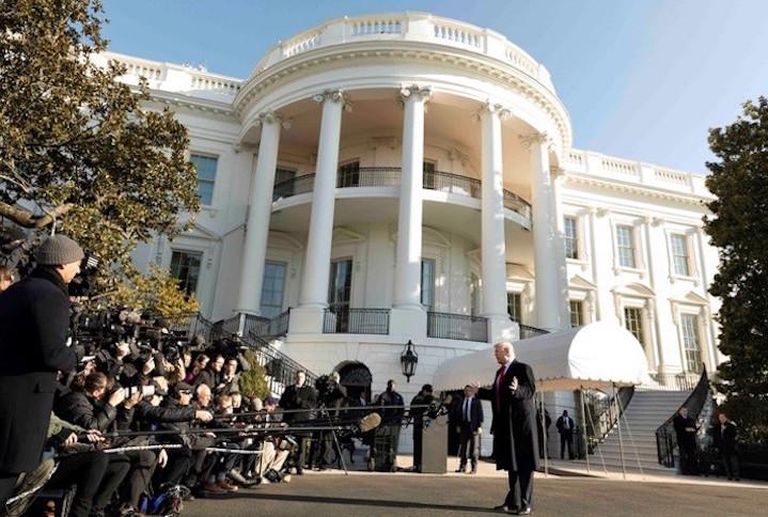
Regulation has become an important focus for the Trump administration recently. In June, President Donald Trump signed an executive order creating the White House Council on Eliminating Regulatory Barriers to Affordable Housing.
Housing has also received notable attention on the presidential campaign trail: On Monday, Democratic presidential candidate Joe Biden released a $640B housing plan, while multiple candidates have rolled out plans to tackle housing affordability.