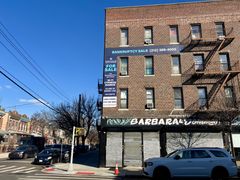
A group of tenants is turning to collective bargaining to pressure the owner of more than 22,000 apartments to improve property conditions.
Renters of units in New York-based Capital Realty Group's portfolio of 172 projects across 28 states are working with organizers from the national Tenant Union Federation to push for property repairs and upgrades.
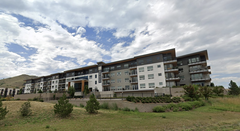
Renters at three complexes in Kansas City, Missouri, have already found some success, announcing on Sept. 9 that they had formed majority unions representing hundreds of residents with complaints ranging from broken appliances to ceiling leaks, Bloomberg reported.
It is the first time tenants across properties have banded together for collective bargaining with the same landlord, according to the Tenant Union Federation. Majority unions have the backing of more than half of a property's tenants.
It followed similar formations of unions at Capital Realty Group-owned properties in Detroit, New Haven, Connecticut, and Louisville, Kentucky. The Tenant Union Federation has launched seven property-level unions across five states since August and now represents tenants in more than 1,000 Capital Realty Group units, the advocacy group said in a statement to Bisnow.
Capital Realty Group had been working with the tenant groups — executives had a video chat with tenants from Detroit and New Haven in late August — but have since stopped communicating with them. Executives at the firm didn’t show up to a Sept. 11 follow-up meeting that they had agreed to attend, Tara Raghuveer, director of the Tenant Union Federation, said in an email.
A call to Capital Realty Group’s office went unanswered Wednesday morning. The firm’s leadership, Moshe Eichler and Sam Horowitz, didn’t respond to requests for comment from Bloomberg.
“Mr. Eichler and Capital Realty Group have the opportunity to do the right thing, which is in the best interest of all involved parties: return to the bargaining table and sign an agreement with the unions. As of now, they are failing to do so,” Raghuveer told Bisnow.
The affordable housing firm was founded in 1999 and is based in Spring Valley, New York. It receives federal subsidies for maintaining affordable rents on more than 19,000 of its units. The firm was ranked 12th among top affordable housing owners of 2024 by Affordable Housing Finance, its first year on the list.
The Tenant Union Federation was founded in 2024 and continues to organize residents at Capital Realty Group properties. It is ultimately seeking to extend its impact into all of the for-profit firm’s properties and secure a collective bargaining agreement across the whole portfolio.
The maintenance issues flagged by tenants at Capital Realty Group’s properties are common across the affordable housing sector, where rent controls frequently leave landlords operating under tight margins.
“Because Capital Realty Group is not the exception but rather the rule, they’re a really important landlord for us to take on,” Raghuveer told Bloomberg.