The Department of Communities and Local Government has called for submissions to an inquiry into property tax changes that would be designed to help bring about an end to land banking.
DCLG is looking at whether a new Land Value Capture system could be introduced to replace current taxes like Section 106 and Community Infrastructure Levy.
The system would be designed to ensure that if publicly funded infrastructure caused the value of land to rise, the state could receive some of the benefits through a tax that targeted the uplift in the value of land.
It would only apply if the owner had not caused the land to increase in value through their own efforts.
The example often cited where such a system would be beneficial is Crossrail. The value of land and buildings along the route of the new line has increased significantly, but all of the benefit goes to the owners.
At the moment land owners and developers contribute to infrastructure that they will receive gains from via CIL, but economists have argued that a land value tax would be a more effective mechanism to prevent land banking.
With CIL, owners and developers arrange to pay when they go through planning process. With a Land Value Tax, a higher rate would be payable from the moment the value of the land went up, incentivising the owner to get on and build.
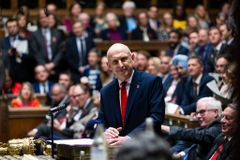
"Private landowners can take advantage of rises in land prices arising from public investment in infrastructure and the granting of planning permission for housing," Communities and Local Government Committee Chair Clive Betts said. "Should they benefit from this public investment and these decisions of public policy? Should we be doing more to ensure the infrastructure required by these developments is paid for by those who actually benefit from it?"
The government is looking for ways to stimulate new house building, and bridge the gap between the number of planning permissions granted and the number of new homes built. According to DCLG, in 2015-16 there was a gap of around 100,000 between the number of planning permissions granted and the number of homes started.