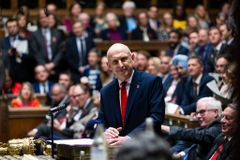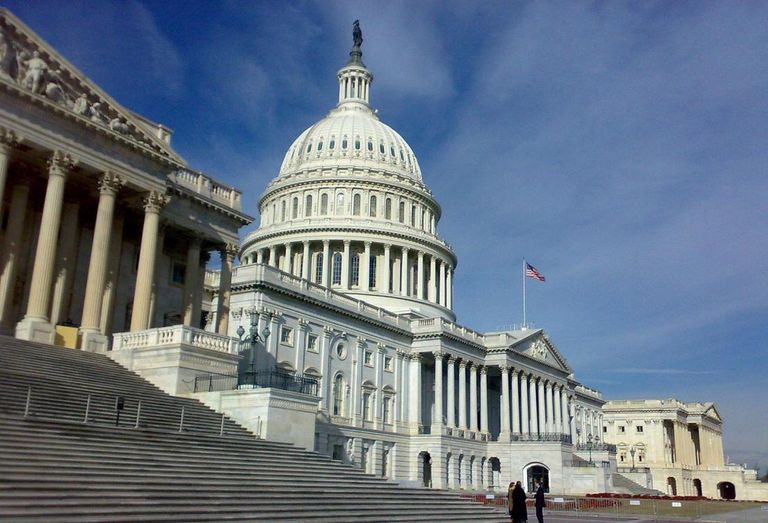
On Wednesday, in a 419-3 vote, the U.S. House of Representatives passed a $7.9B Harvey aid package, sending it to the Senate for approval before it can be presented to President Donald Trump for his final signature.
"Help is on the way," Texas Rep. John Culberson told reporters. Culberson's district (including portions of the Energy Corridor, Memorial and Bellaire) was one of Houston's hardest-hit areas.
The $7.9B relief package is likely the first of several, but with Hurricane Irma bearing down on South Florida and Hurricane Jose gaining strength in the Gulf, mounting relief funds are clashing with larger budget issues facing American politics, like the debt ceiling.
Trump sided with Democrats on adding a three-month extension to the debt ceiling to the Harvey Relief fund package, breaking with fellow Republicans who sought an even longer extension, and with some (including Texan Ted Cruz) who do not agree with raising the debt ceiling in any circumstance.
Late Wednesday, Senate Republicans released a new version of the legislation that nearly doubles total disaster funding to $15.2B and extends the debt ceiling through Dec. 8.
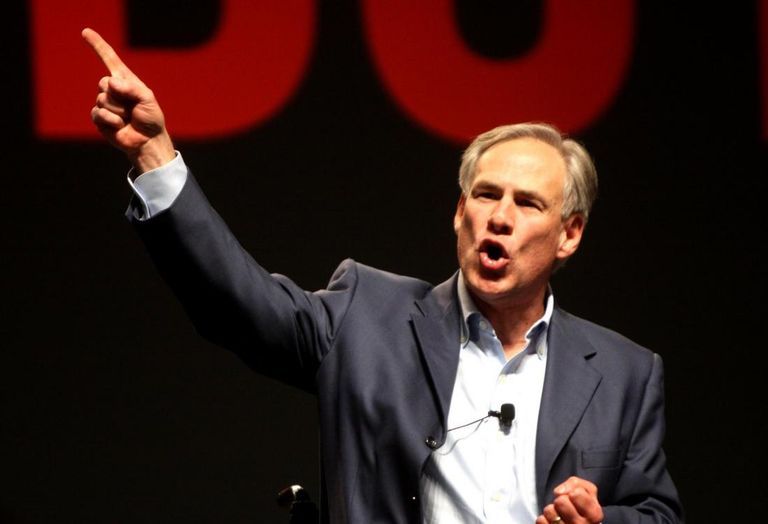
While lawmakers in Washington debate about Hurricane Harvey relief, the Texas Capitol is quiet. Many Texas lawmakers have called for a special session to address Harvey, but Gov. Greg Abbott said he will not call the legislature back for a second special session this summer to help pay for the costs of Harvey.
A special session is needed for Texas to tap into its roughly $10B rainy day fund because according to the state constitution, appropriating money from the fund requires legislative approval.
"We won't need a special session for this," Abbott told reporters in Austin. Abbott claims the state has enough resources to address the needs between now and the next session, scheduled for January 2019.
Texas lawmakers remain unconvinced, saying if a rainy day fund is not tapped to help deal with the state's rainiest days in recorded history, what is it for?
"A flood of this magnitude is an enormous economic hit to the state, and it’s what the fund was designed to [be] used for,” state Sen. Paul Bettencourt said.