President Joe Biden's $2 trillion Build Back Better Act, passed today by the U.S. House of Representatives, heralds a change at the top in how the nation addresses the climate, healthcare, and, according to affordable housing advocates, its fraying social safety net.
The bill passed 220-213, with all Republican lawmakers opposing. It comes after weeks of internal debate, intraparty bickering that cut the size of the package down from $3.5 trillion, and delays, including an all-night floor speech by House Minority Leader Kevin McCarthy of California, that pushed the vote to this morning.
Next, the bill comes before the Senate, where The New York Times estimates it will receive similar trimming, given a razor-thin 50-50 split that means all Democrats will have to get on board, along with Vice President Kamala Harris.
Despite difficulty ahead, the vote puts some wind into the Biden administration's sails. And it was quickly applauded by groups like the Council of Large Public Housing Authorities, which cited its $150B allocation to affordable housing.
“Today represents a fundamental change in America’s approach to public and affordable housing,” CLPHA Executive Director Sunia Zaterman said in a statement. “The Build Back Better Act is historic legislation that seeks to remedy two generations of chronic disinvestment that has left millions of public housing residents suffering and exacerbated health, safety, climate risks, and racial inequities.”
The bill is believed to be one of the most transformative pieces of legislation in decades, per the Times. It is currently written to include universal prekindergarten, childcare subsidies, care for older individuals, price controls for prescription drugs and a significant financial shift away from fossil fuels. The bill, which would also put nearly $550B into programs designed to curb climate change, would be paid for chiefly with tax increases on those in a higher tax bracket as well as corporations, the Times reported.
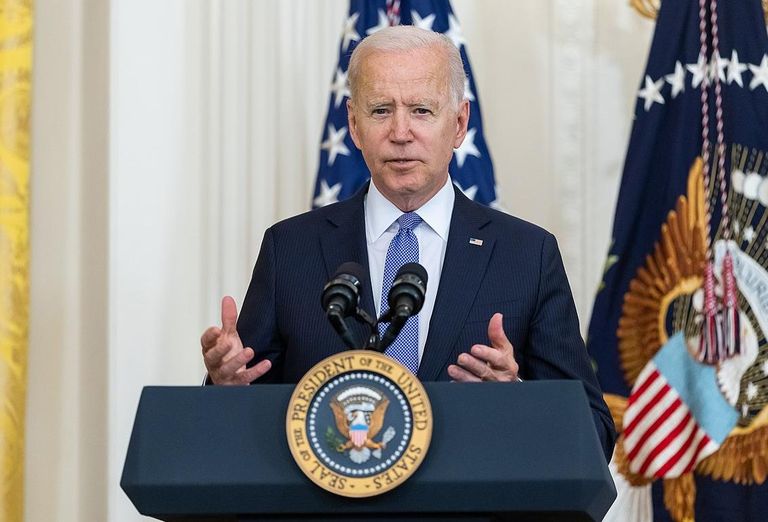
“The Build Back Better Act is fiscally responsible. It reduces the deficit over the long-term. It’s fully paid for by making sure that the wealthiest Americans and biggest corporations begin to pay their fair share in federal taxes,” Biden said in a statement. “It keeps my commitment that no one earning less than $400K a year will pay a penny more in federal taxes.”
Prosperity Now, a national nonprofit focused on low-income families, similarly praised the bill.
“Expanding the Child Tax Credit and the Earned Income Tax Credit, funding affordable housing and expanding homeownership, and providing support for small businesses of color are measures that will make a critical difference during this especially difficult time,” Prosperity Now President and CEO Gary Cunningham said in a statement.
The bill is a key piece of legislation in Biden’s presidency, but public opposition and hesitation from moderate Democrats, particularly Sens. Joe Manchin of West Virginia and Krysten Sinema of Arizona, have whittled away at the bill and resulted in national debate on topics like federally mandated paid parental leave.
In a statement, House Republicans called the bill radical and reckless, saying immigration, gas prices and supply chain should be larger priorities among lawmakers.
“Make no mistake: this bill will cause inflation to skyrocket even higher, raise taxes on working families, and ship millions of jobs overseas,” a joint statement from House Republican Leader McCarthy, Republican Whip Steve Scalise of Louisiana and Republican Conference Chairwoman Elise Stefanik of New York said.
Republicans also raised concerns about increased funding and manpower to the Internal Revenue Service. In an October statement, Biden said the additional funding was to help potentially audit wealthy individuals who could be hiding income from the IRS. Republicans believe it could be used to monitor bank accounts.
The Congressional Budget Office estimates that the bill could increase the federal deficit by $160B over 10 years.
The Senate may vote on the bill before the end of the year, CNN reported.