Texas' multifamily owners are girding themselves for rent growth to stall and construction materials and labor prices to rise amid tariffs and potentially rough economic roads ahead.
At the same time, new obstacles are in the way when it comes to capital, forcing investors and developers to get granular, conservative and sometimes anecdotal to secure financing, Hines Managing Director Ashley Prasse-Freeman said at the Dallas-Fort Worth Bisnow Multifamily Annual Conference on Tuesday.
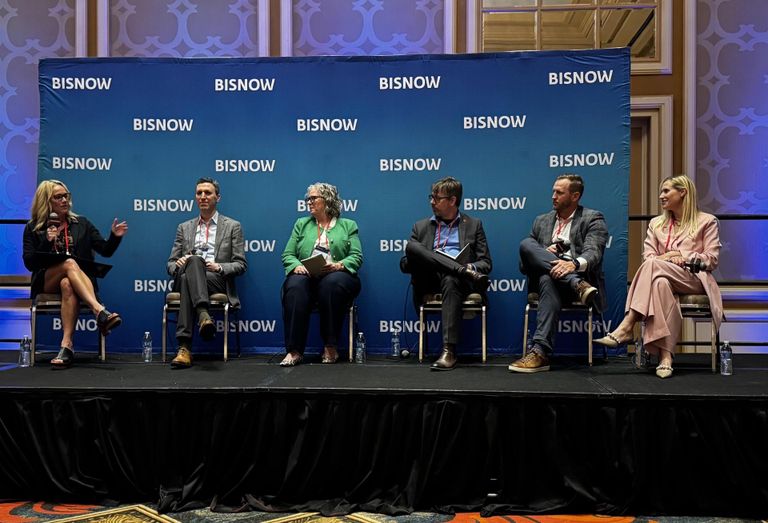
“It's no longer a one-size-fits-all answer,” Prasse-Freeman said at the event at the Hilton Anatole. “We're really digging in deeper and focusing on not just those submarket fundamentals but the micromarket.”
Hines has shifted toward conservatism in its underwriting and long-term outlook. That includes looking for cost savings on insurance, taxes and other expenses to recoup the impact of tariffs and lower rents on an asset-by-asset basis.
“The rapid rent growth that we've experienced over the past few years is just not sustainable,” Prasse-Freeman said. “As we look at lease-up and concessions, we are paying close attention to concessions that are in place and the risk of downward pressure on rents.”
Tariffs have put projects on indefinite pause. While dry powder is available, the bar to get at it has been raised as new multifamily construction is largely on hold while institutional equity sits on the sidelines, said Patrick McFarland, senior mortgage banker for KeyBank Real Estate Capital.
Builders are realizing that their materials sources are quasi-domestic and coming to terms with being exposed to those impacts, McFarland said.
“It’s mostly American-made, but there’s probably a lot of lumber coming from Canada, and maybe that’s going to go up about 20%,” he said.
Appliances also often come from China and Vietnam, McFarland said.
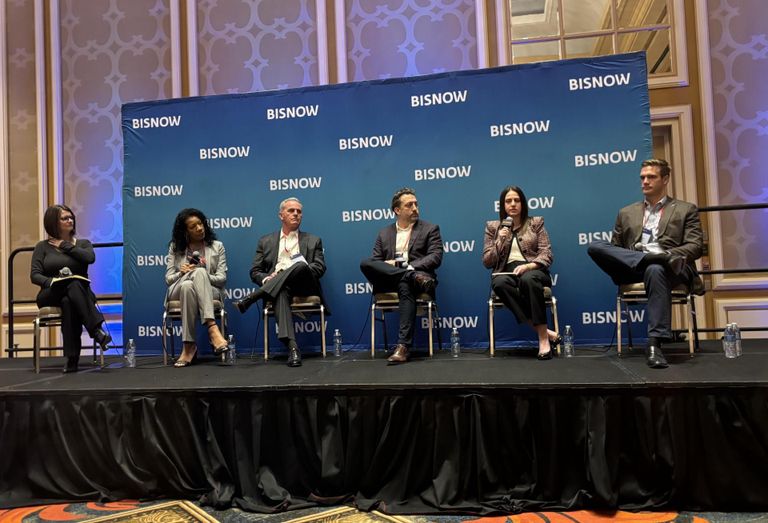
Mill Creek Residential expects to see a 3% to 5% increase in its hard costs from tariffs, but it is also bracing for other policy changes that have made investors more cautious, Managing Director Jon Molnoskey said.
“Until we get a little bit more certainty, investors will be a little squeamish,” he said.
Trump administration immigration policies are also likely to shrink the construction workforce and increase the cost of labor, McFarland said.
That hurts because lenders are looking to selectively invest. It’s not always about the best returns, George Smith Partners Director Matt Huberty said.
Having a good story is becoming just as, if not more, important as a good yield.
“Is there a story that makes your asset financeable versus others?” Huberty said. “Many deals fall in the same 25-to-50-basis-point range. With a story, whether a tax advantage of something that makes the story unique ... that seems to get projects financed today.”
Just a few months ago, high interest rates hindered the availability of capital.
There is a recalibration happening now, Prasse-Freeman said. Low-cost capital is starting to come back, which is a great sign for all parties, Huberty said.
The new environment has helped some borrowers finally exit bridge loans after numerous attempts. Getting out of such loans has been the No. 1 trend over the past year or two, McFarland said.
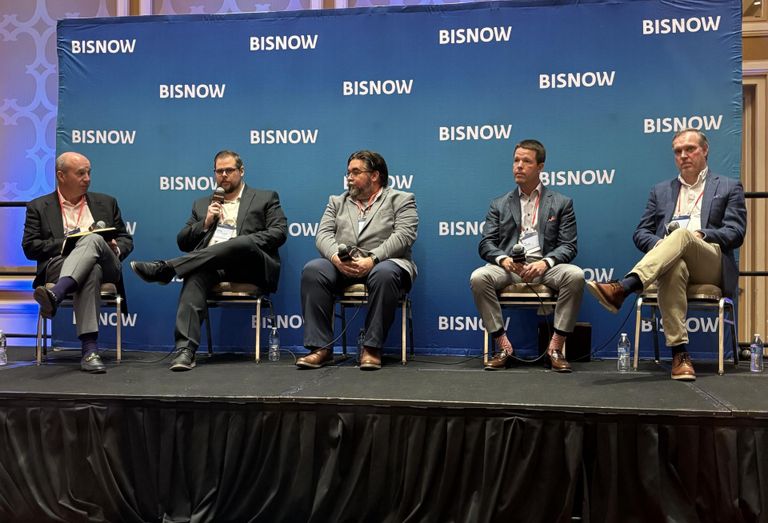
“We see a lot of deals come around two, three, four times, and maybe on the fourth go-round there is enough cash coming back into the deal as well as rates being low enough that we can get people out,” McFarland said. “We’re seeing more and more of that here lately.”
Yet dry powder remains on the sidelines.
Private equity and venture capital funds had a record $2.6T in uncommitted capital waiting to close deals last year. The industry keeps hearing that it will have to be deployed at some point, JPI Managing Director Adrienne Bain said.
“The question is when,” Bain said. “I’m hoping the second half of this year. We’ve been saying that now for months, but fingers crossed, this is the year it’ll actually happen.”