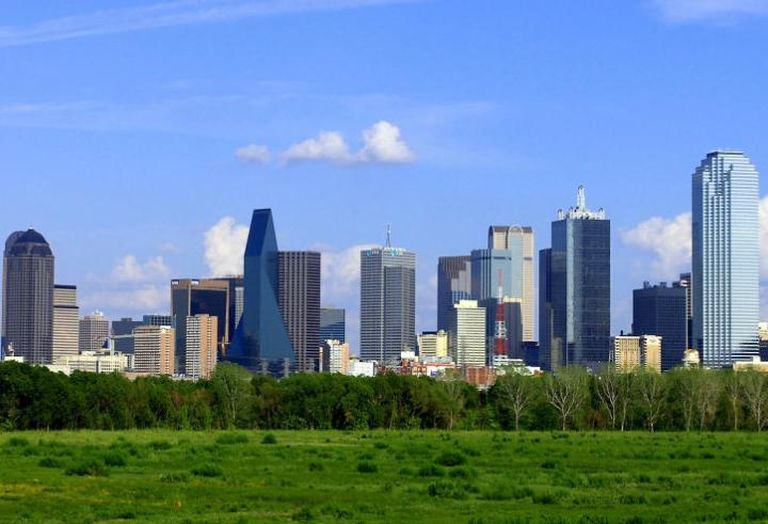
Dallas and Fort Worth are acting surprisingly differently in apartment rent growth these days, with Fort Worth clocking a healthy 3.1% rent growth to Dallas’ sluggish 1.3% rent growth, according to third-quarter multifamily statistics from RealPage.
“It’s unusual for the performance patterns to be this far apart,” RealPage Chief Economist Greg Willett said. “The two metros normally move pretty closely together, and it really just reflects the large block of construction on the Dallas side.”
With many Dallas metro projects in the lease-up stage, it is difficult to push rents at the top end of the multifamily sector, which also impacts asking rents for more affordable apartments, he said.
Over the past year (Q3 2017 through Q3 2018), 25,500 units were delivered across Dallas-Fort Worth with the bulk of those — 21,734 — in metro Dallas, according to RealPage statistics.
There are 34,893 units under construction in DFW with 27,955 of those in metro Dallas although developers are starting to pay more attention to Fort Worth.
“[Construction] is trending upward in Fort Worth, and it is trending down a little bit in Dallas,” Willett said. “When we were in earlier phases of the cycle, it was focused on Downtown Dallas and those northern suburbs.”
The urban core of Dallas generates an average rent of $1,800 compared to $1,500 in the urban core of Fort Worth. Frisco, an active suburban apartment market north of Dallas, generates rents of $1,300. The active Alliance Corridor submarket north of Fort Worth also generates rents of $1,300, according to RealPage.
Both sides of the DFW metro area have similar occupancy rates with the Fort Worth metro at 95.3% and the Dallas metro at 95.1%.
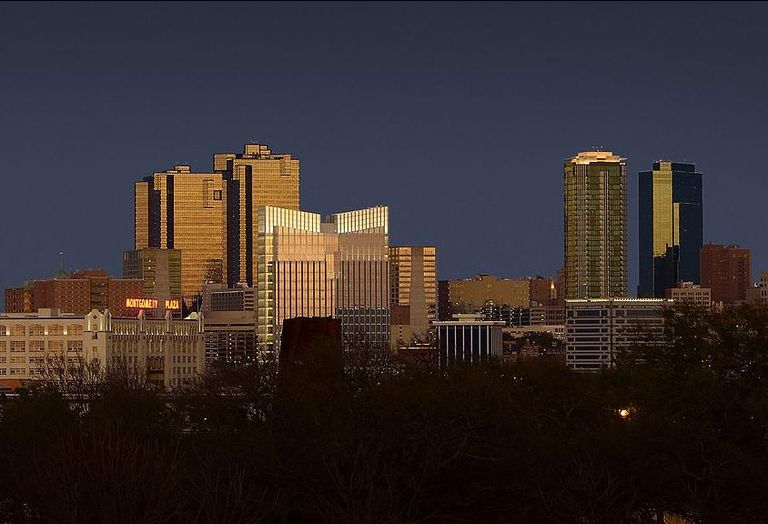
“It is a pretty competitive leasing environment in Dallas, particularly for that luxury segment,” Willett said. “Metro Fort Worth is much healthier in performing at or above the U.S. level, whereas Dallas is trailing.”
Nationwide, U.S. apartment rental rates climbed 3% year over year as of Q3, notably above the 2.5% increase from Q2. It is the first time in about four years that rent growth momentum took such a significant upward turn of 50 basis points or more.
Among the country’s 50 largest markets, Austin showed the most improvement with rental rates going from essentially flat in Q2 to 2.6% in Q3 — an increase of 200 bps — the metro’s biggest price increase in two years. All product classes logged positive momentum in Austin, though the Class-B and C units recorded more significant boosts. Northwest Austin and Pflugerville made the greatest headway.
Going forward, Willett said he expects the rent growth dichotomy in Dallas and Fort Worth to continue.
“We are going to have a lot of product finishing in Dallas over the next few months, and so we think this pattern is going to hold for probably even a couple of years where Fort Worth will outperform Dallas on rent growth,” Willett said.